
Museo Rafael Alberti - A Cultural Gem of El Puerto de Santa María

By Giordano Durante
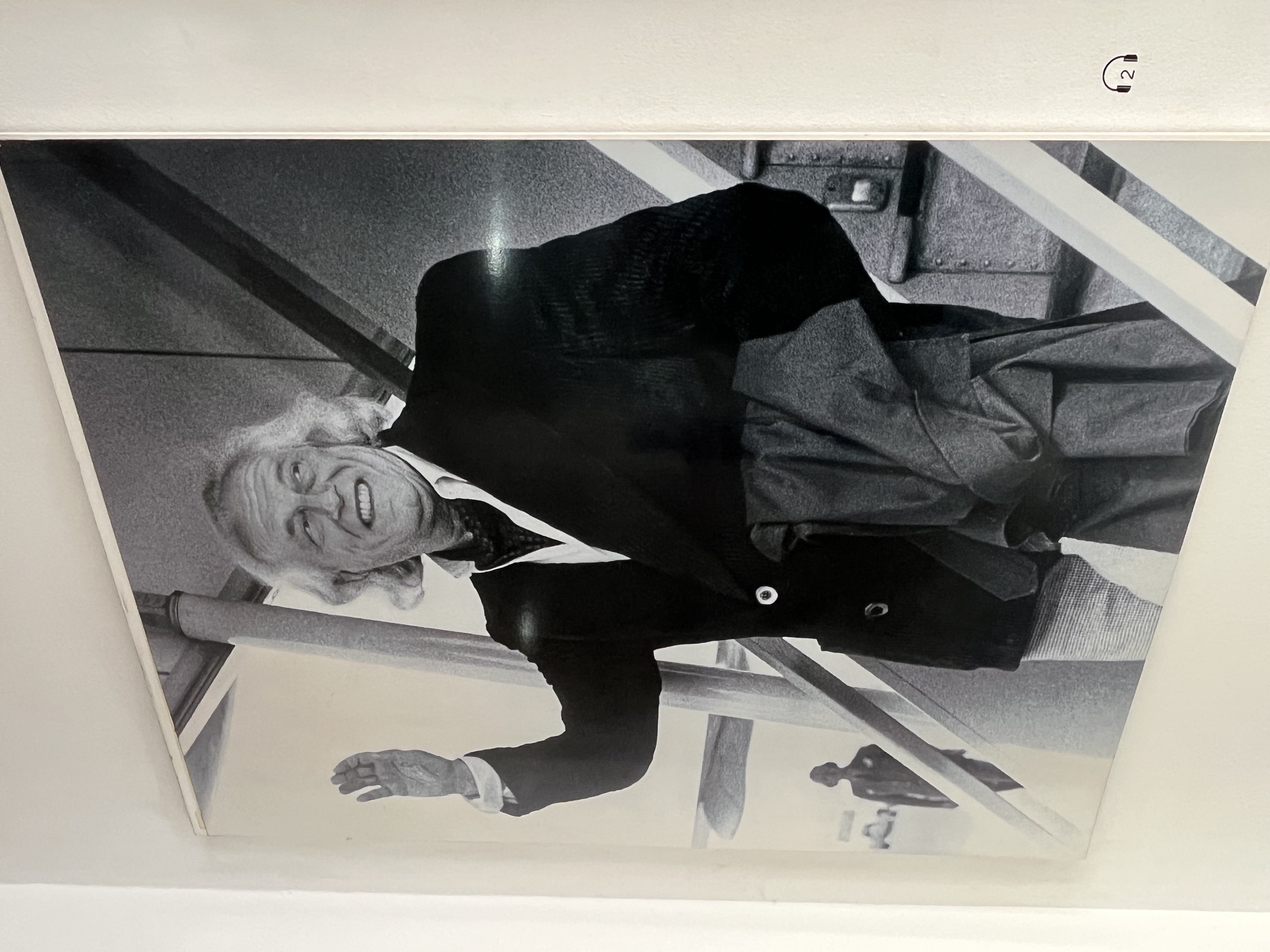
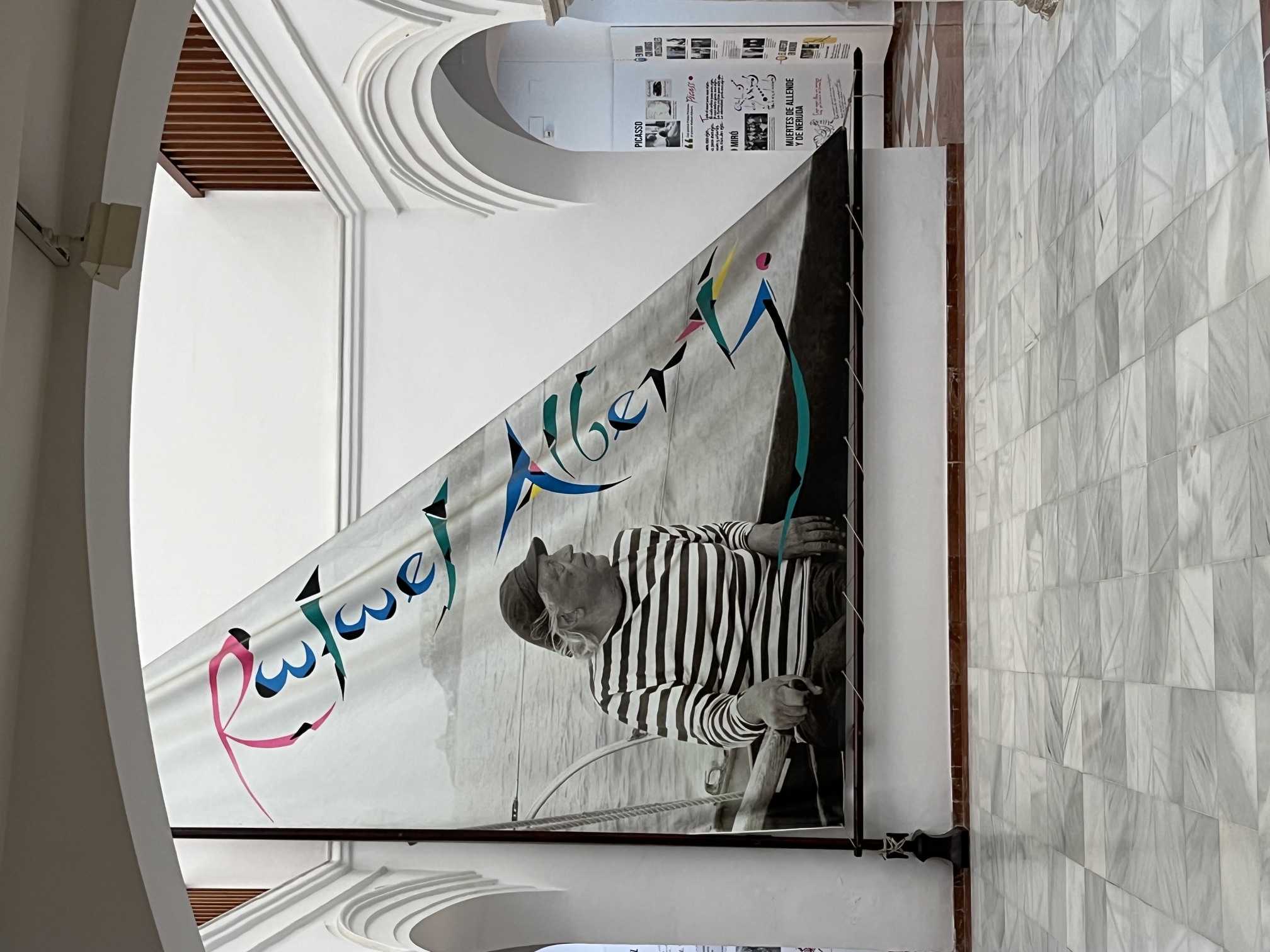
The Museo Rafael Alberti, on an unassuming street in El Puerto de Santa María, is a cultural gem. The three storey building houses an exhibition of the Andalusian poet’s poems, books, and paintings, using archival material to present a rich picture of his long creative life.
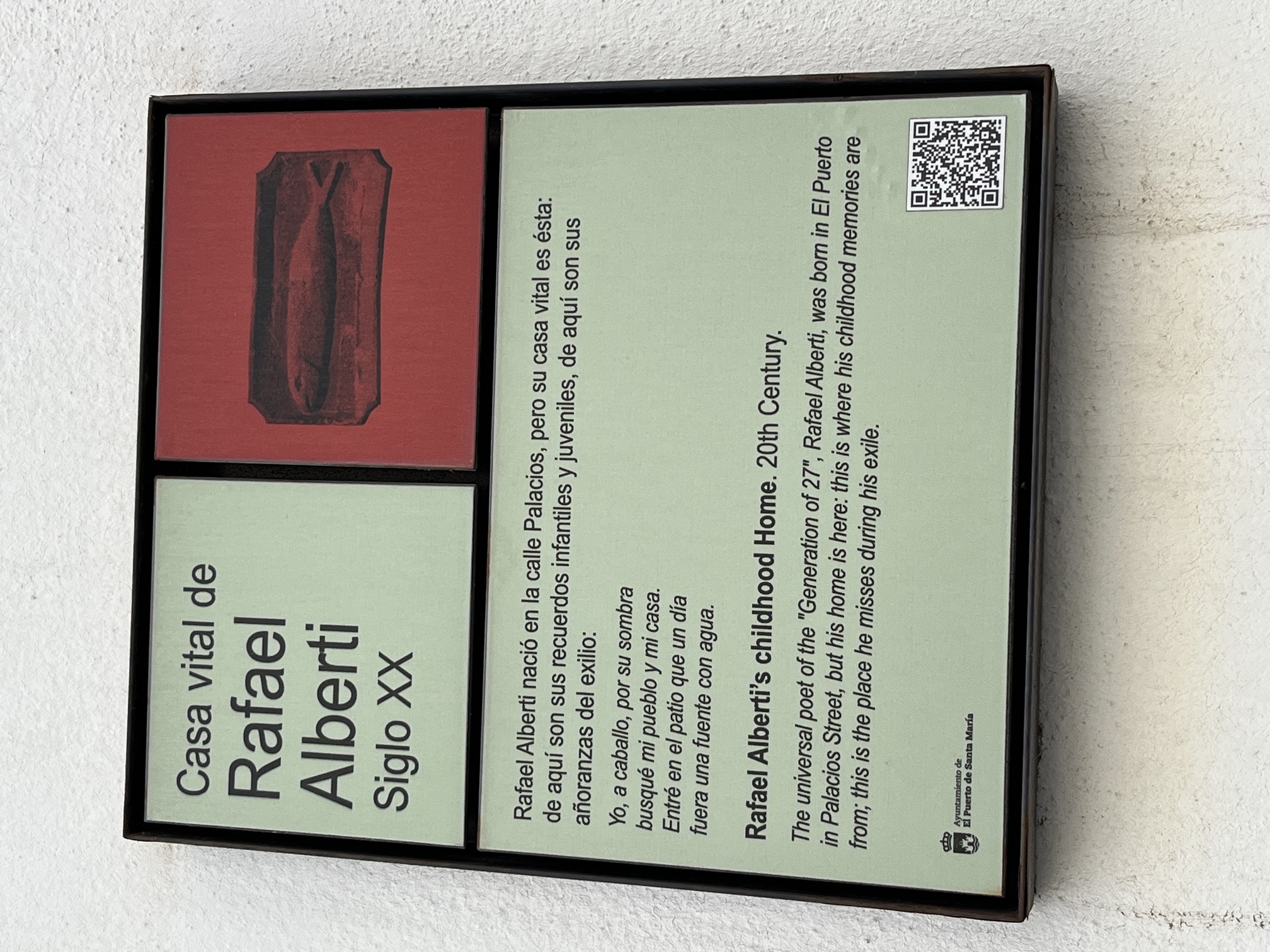
Alberti, born in El Puerto in 1902, became one of the leading poets of the fabled Generación del 27, a group of writers who came together in Madrid in the second decade of the 20th century and whose members included, among others, Federico García Lorca, Jorge Guillén, Pedro Salinas, and Luis Cernuda. The group was at the centre of an extraordinary burst of creativity just a few years before the catastrophe of the Civil War. Lorca’s assassination by the fascists in 1936 and the decision by many of its members to escape into exile put an abrupt end to one of the most important literary movements of the last century.
The museum charts Alberti’s life from his childhood in the bustling port at the mouth of the Guadalete river—which has served as an export hub for salt, cured fish, and the sherry produced in the region—to his poetic flourishing in Madrid, his years of exile in Latin America, his move to Rome and his eventual return to his home town in 1977 once the dictator Franco had died.
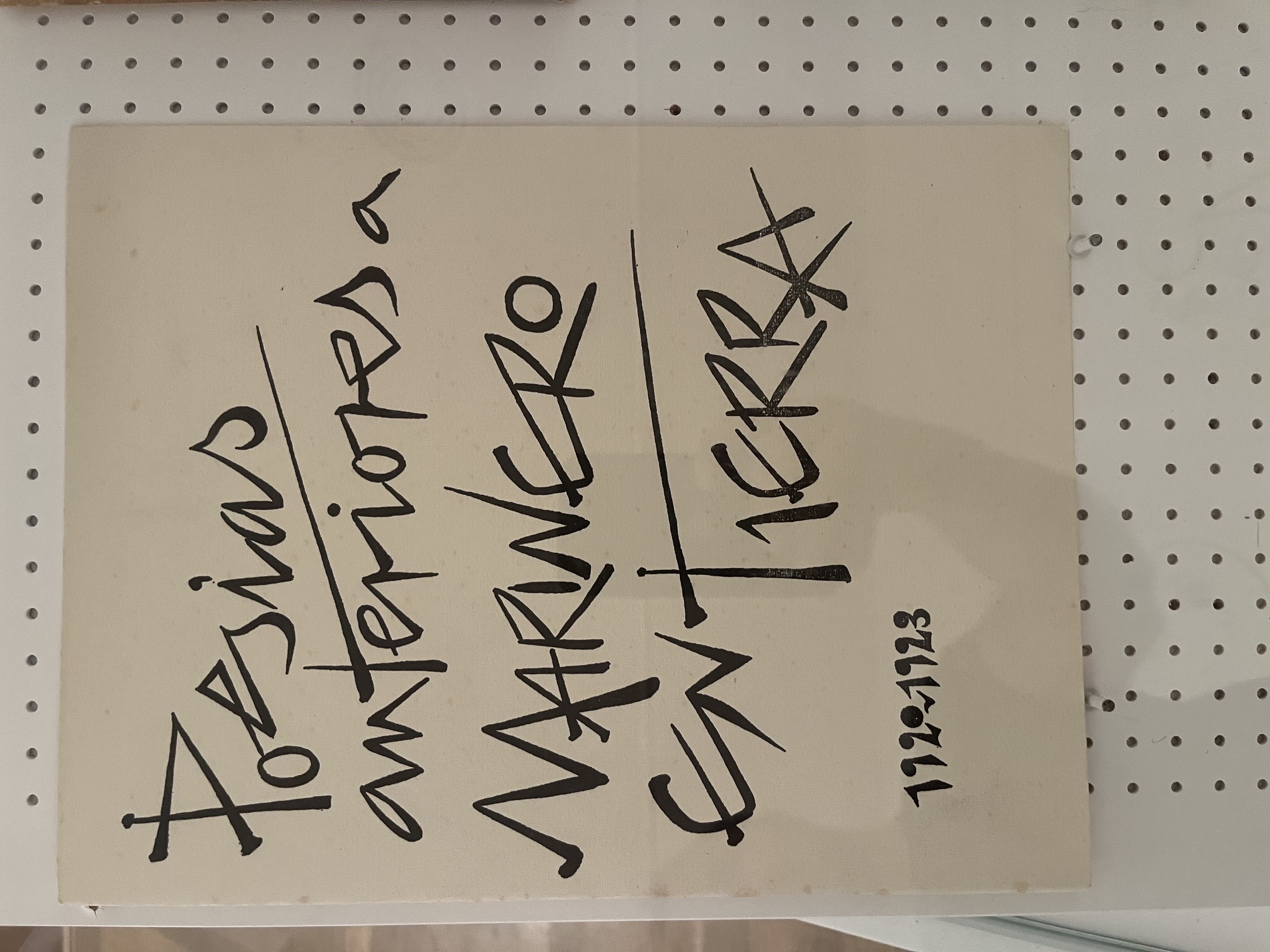
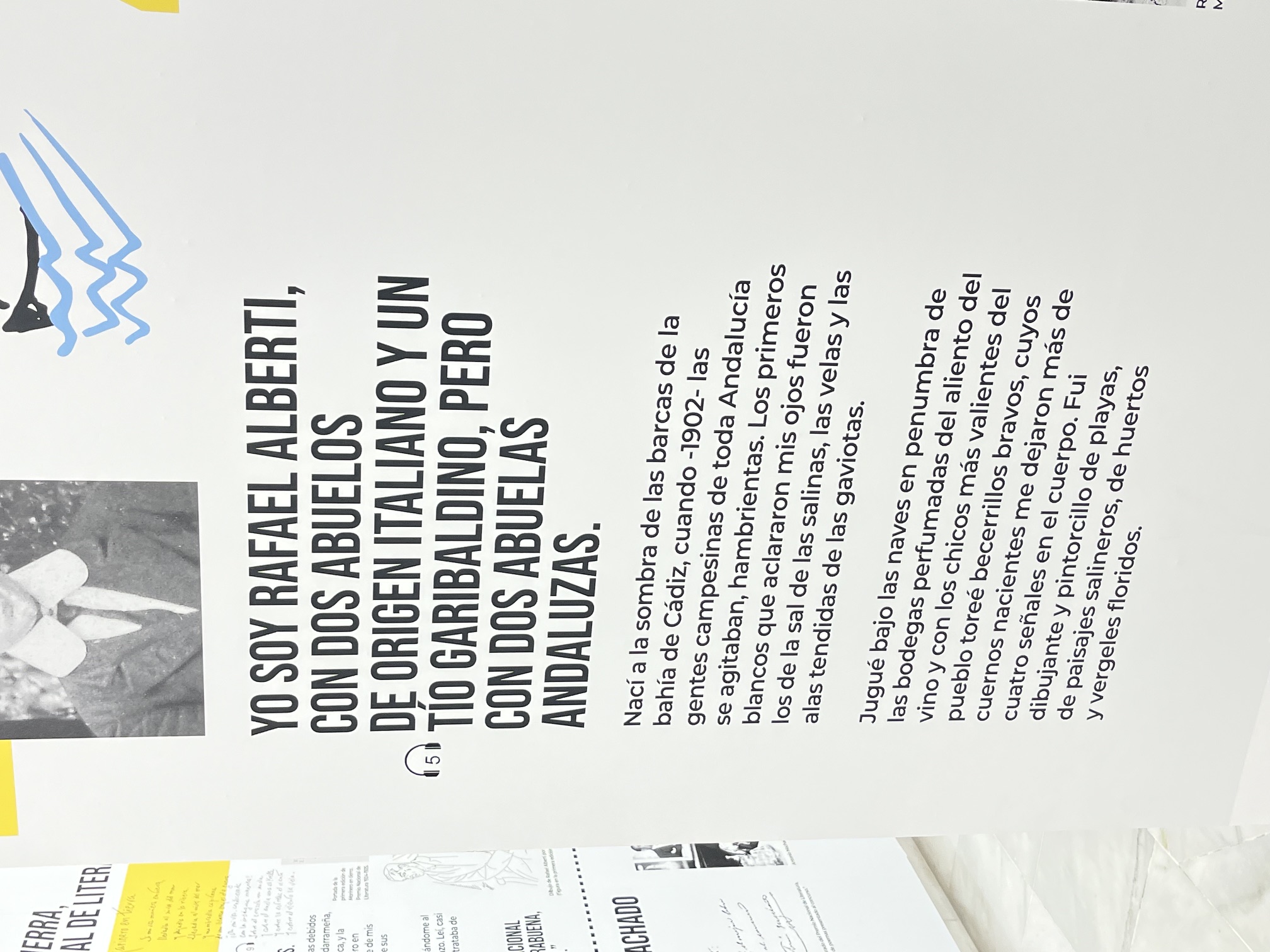
From the start, his sensibility was coloured by the surrounding sea: he wrote, in his memoirs, how “Los primeros blancos que aclararon mis ojos fueron los de la sal de las salinas, las velas y las alas tendidas de las gaviotas.” This imagery found its way into his first collection of verse Marinero en tierra (Sailor on Dry Land) which won the National Poetry Award in 1925, a book that looks back longingly towards his childhood from a land-locked Madrid.
After two more collections in the same folkloric style, Alberti adopted a tougher and more formally demanding idiom, writing satirical poems with a political edge.
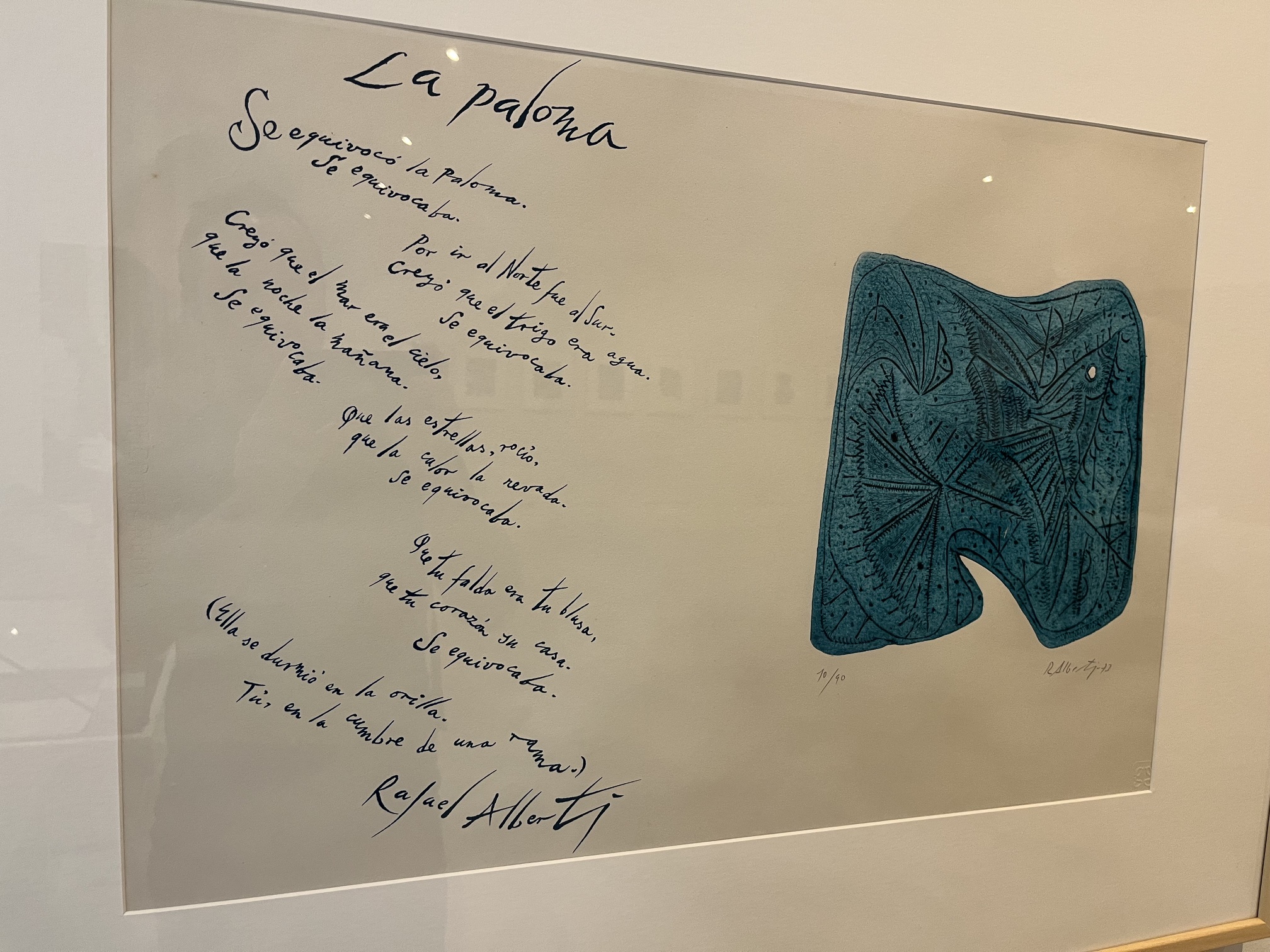
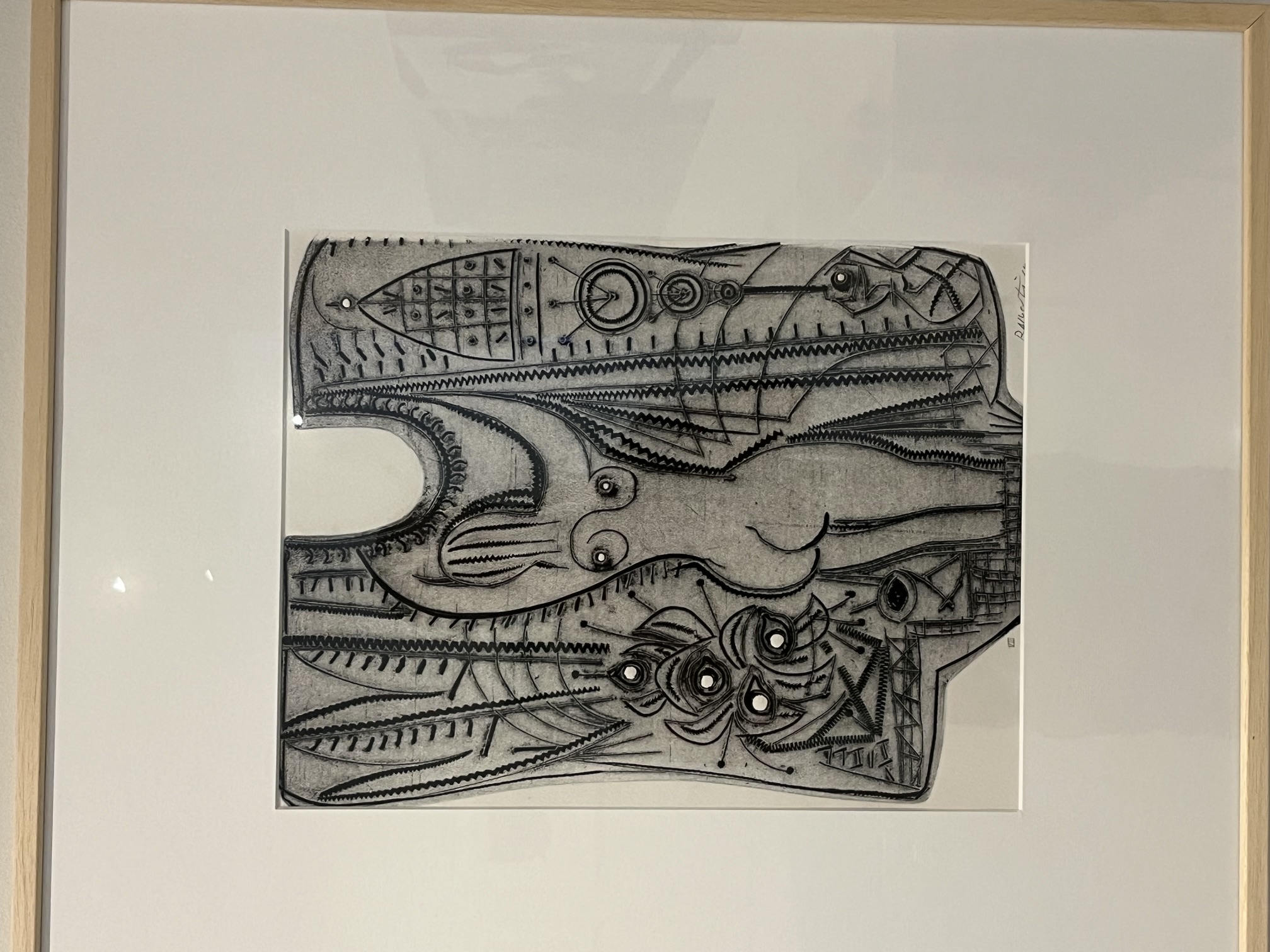
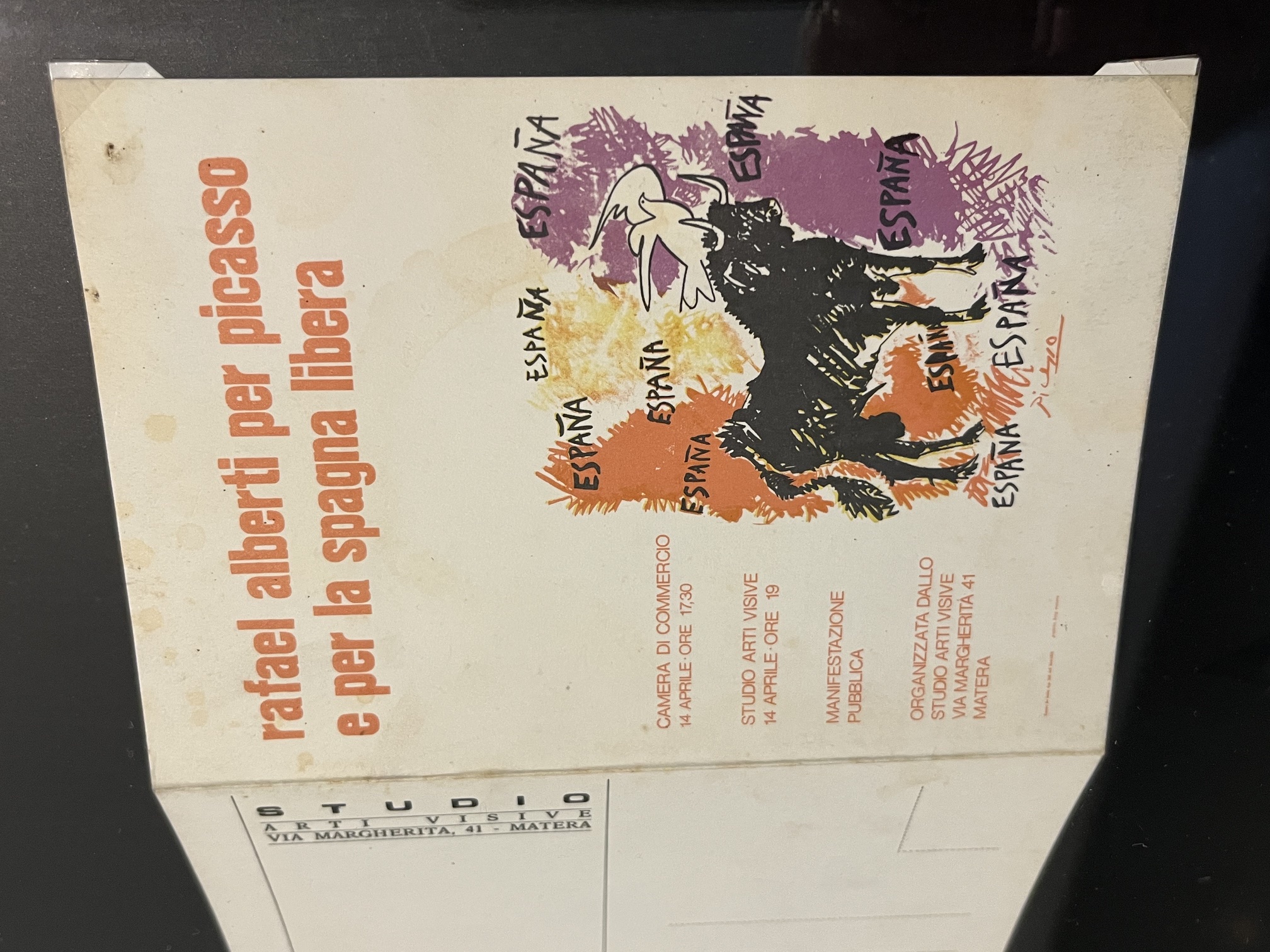
The exhibition shows how broad Alberti’s talent was: apart from numerous poems and publications, it also contains many of his paintings which are surprisingly distinctive and often in an abstract or surreal style that has links to the work of Picasso and Miró. In fact, Alberti started off as a painter and went to the Spanish capital to immerse himself in the paintings of El Prado. Recordings of the poet reading out his works are played on a loop on the museum’s ground floor, his voice serious and rather monotone, but alive to the rhythms of his tightly structured lines.
Ultimately, the best museums are those that tell a story; those that can make sense of a disparate collection of photos, books and letters by arranging the vast paraphernalia of a full life to build a coherent view of their subject. The Alberti museum’s main display is helpfully set out as a timeline so it’s easy for visitors to get a sense of his trajectory from a Puerto childhood to his last years as the elder and distinguished—but still politically radical—statesman of Spanish letters.
Alberti’s privileged longevity and political involvement—he was a lifelong communist, even securing a seat in parliament in 1977—meant that he grew to occupy a larger-than-life position in Spanish cultural life. His work and personality, his very presence—tall, imposing, with a large mane of white hair—bolstered his wide appeal, as María Asunción Mateo (his second wife) notes in her introduction to a selection of 100 of his poems:
“Pocas veces una figura de talla universal se ha enredado con tal fuerza en el sentir de la gente, en el discurrir de la vida, en la historia de su país como Rafael Alberti lo ha hecho, haste llegar a convertirse en una leyenda viva.”
To learn about Alberti and the circles he moved in is to learn about the 20th century history of Spain itself: promise and poetry, disaster and repression and then the new country that emerged following the transition to democracy. A museum of this nature, then, rather than narrowly focusing on the life of one poet, will appeal to anyone with an interest in the turbulent events of the country’s last 120 years. Located just a two hour drive away from the Rock, both the city and the museum are well worth a visit.
The museum is located at C. Santo Domingo, 25, 11500 El Puerto de Santa María, Cádiz, Spain.
Opens Tuesday - Friday: 10am-2pm. Saturday and Sunday: 11am-2pm. Entry from €4 with discounts for students and senior citizens.




Latest News
- RGP Seizes 1750L Of Fuel In Upper Rock Operation
- Unite Secures Pay Deals For Private Sector Workers
- Ministry Of Equality To Mark Pride Month
- GHA Mobile Health Unit At Piazza For World Prostate Cancer Day
- Traffic Management Arrangements - Kings Birthday Parade
- Museo Rafael Alberti - A Cultural Gem of El Puerto de Santa María
- Visit Gibraltar Hosts Senior Leading Cruise Executives At The CLIA Conference
- British Forces Gibraltar Contingent Takes Part In International Military Pilgrimage To Lourdes
- Alma Belle Wins Fifth Consecutive Spanish Puzzle Championship Title
- GCS Summer Activities For Adults In July