


Literary Festival—Beethoven: The Last Master with John Suchet
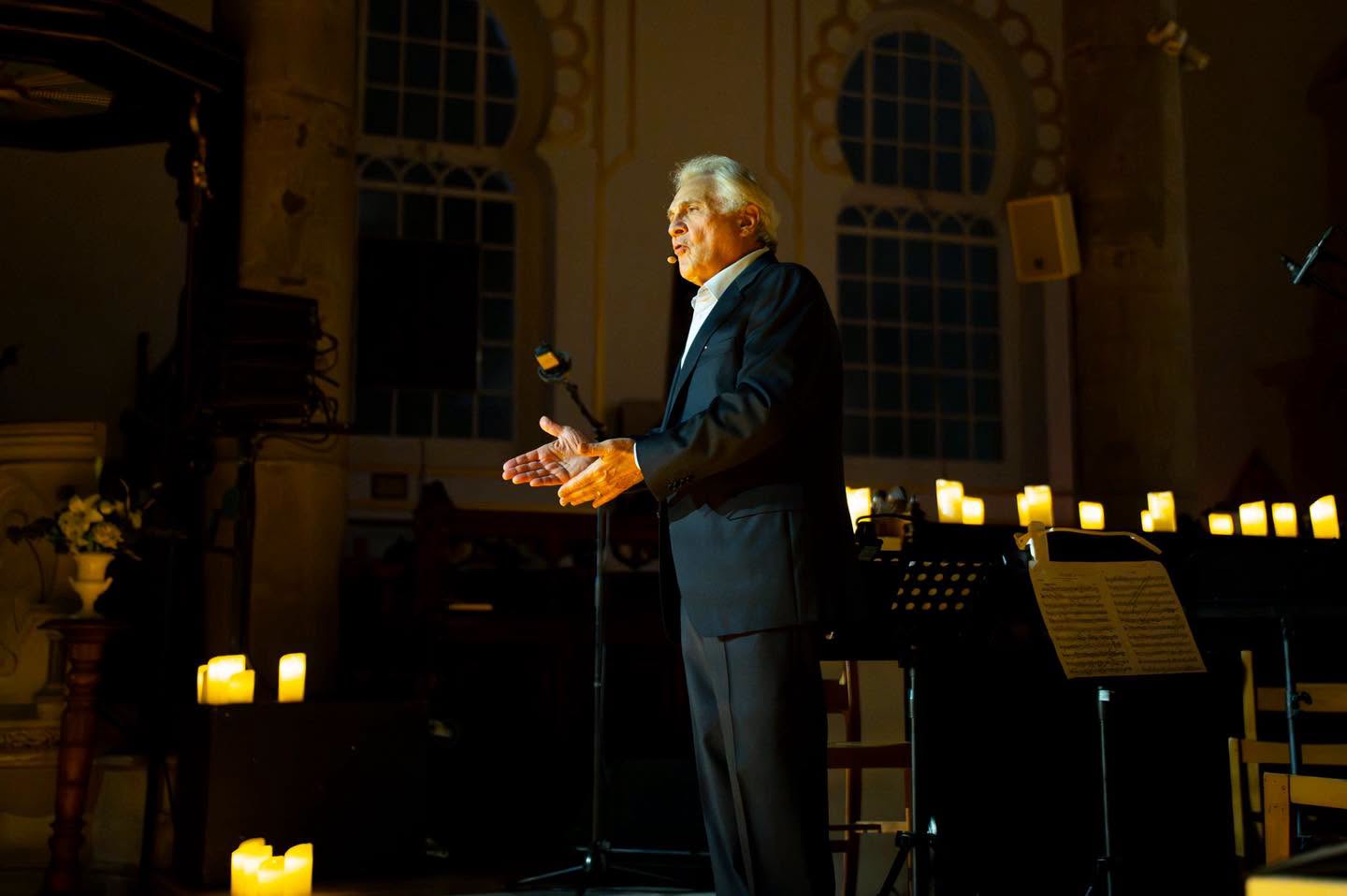
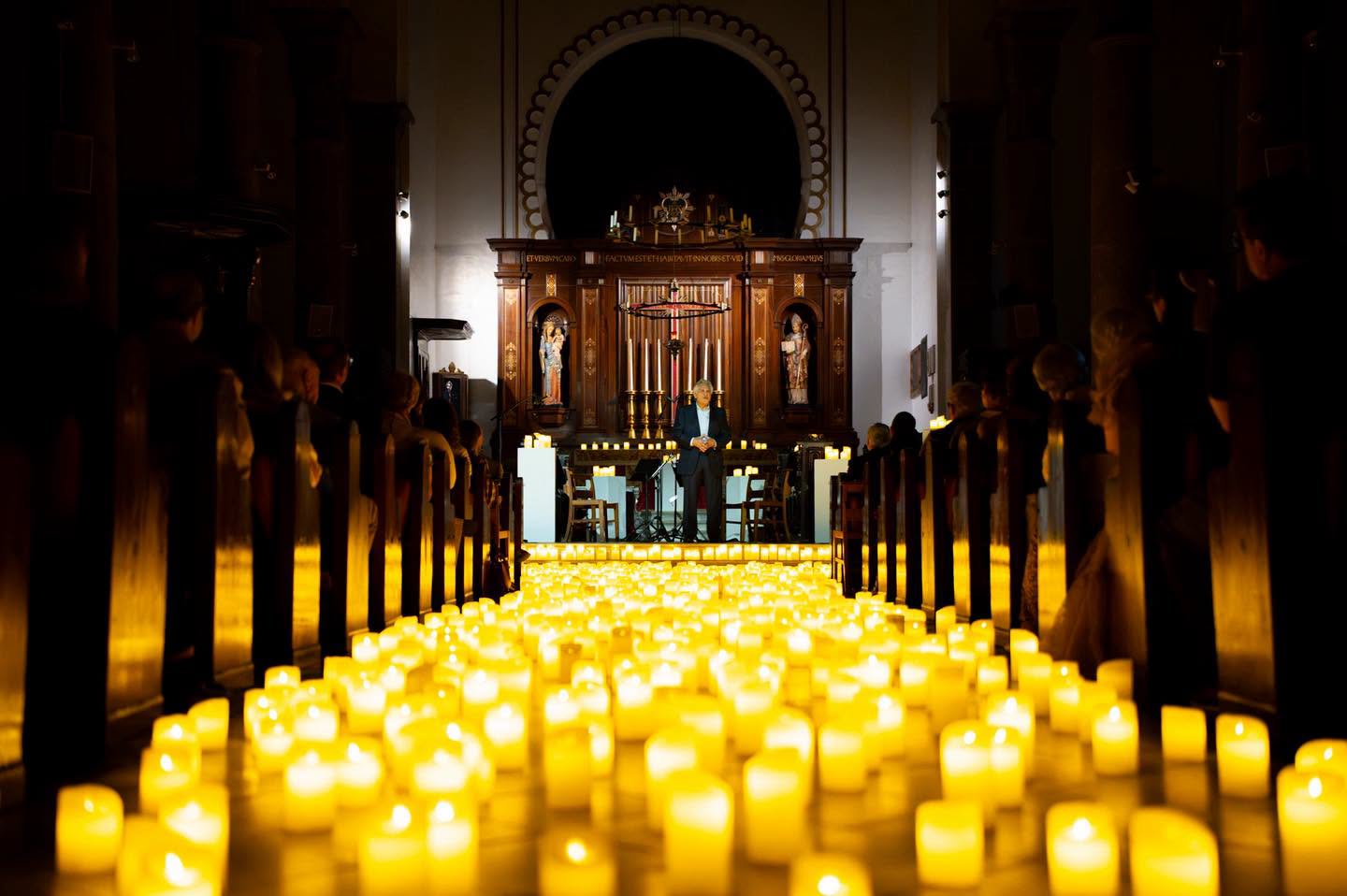
The first major event of the Gibunco Gibraltar Literary Festival took place yesterday evening with a talk by the author, journalist and Classic FM presenter John Suchet at the Cathedral of the Holy Trinity.
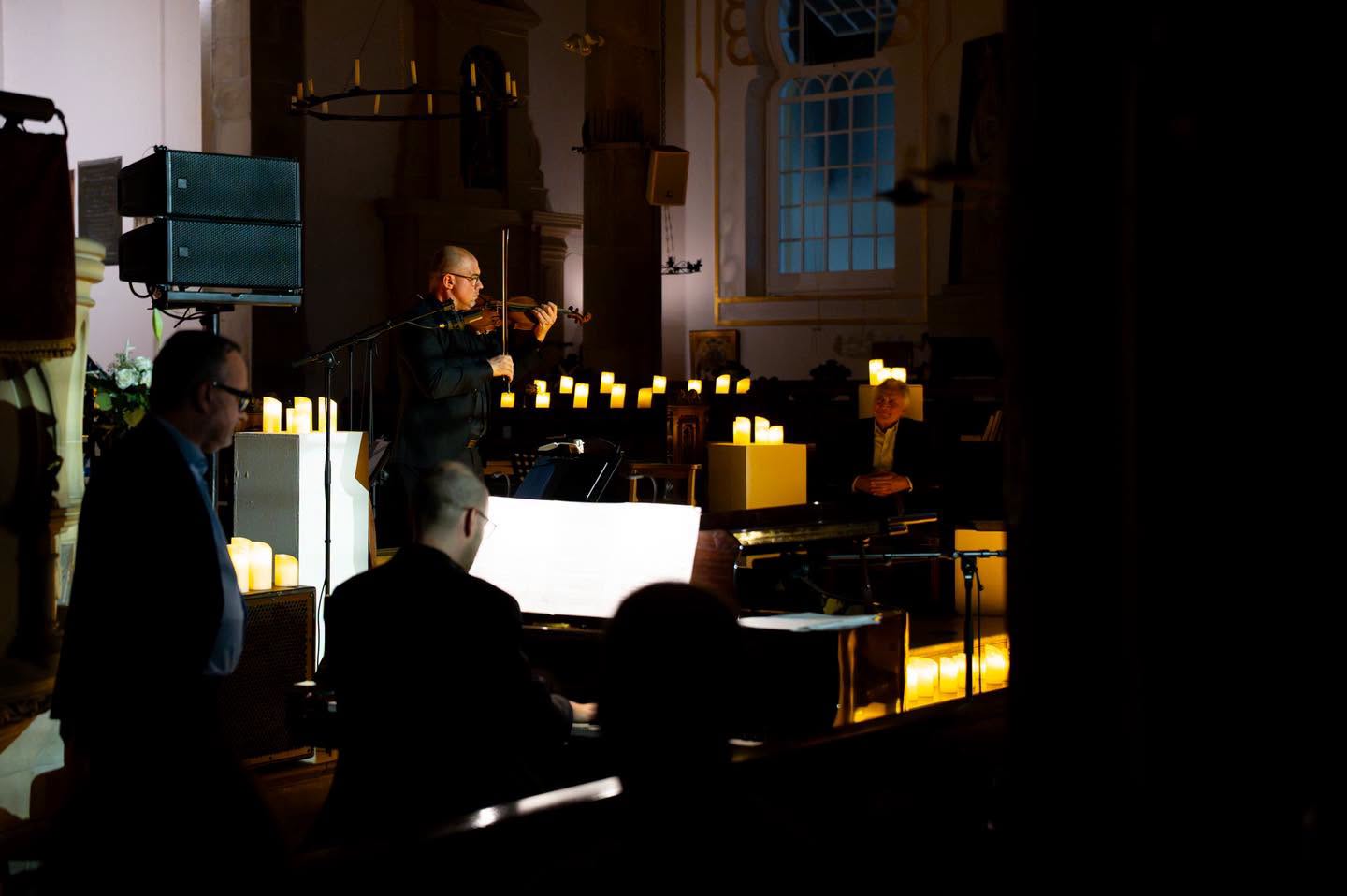
Titled ‘Beethoven: The Last Master’, the event saw Mr Suchet focus on crucial moments in the life and career of the German composer Ludwig van Beethoven (1770-1827). The candlelit talk was punctuated by performances of the works discussed by the piano quintet of the Strait Philharmonic Orchestra, directed by Miguel Monge.
Starting with some variations for piano on the tune of ‘God Save The King’ which Beethoven composed, Mr Suchet said the piece would be “the first of many surprises” that evening.
Speaking about Beethoven’s love life, he explained that although he was engaged several times, and fell in love easily, the composer never married. Among his many infatuations, it was his relationship with the Countess Giulietta Guicciardi which Mr Suchet highlighted as the composer dedicated his 1802 Piano Sonata No. 14 to her. Published in 1802 as Sonata quasi una Fantasia, the work was later better known as the ‘Moonlight’ Sonata. An abridged version of the work’s final movement, a tempestuous piece whose technical demands would have been beyond any skills possessed by the Countess, was performed to illustrate this anecdote.
Mr Suchet then moved on to discuss Beethoven’s relationship with the British mixed race violinist George Bridgetower and how their collaboration led to the premiere of what was subsequently known as Beethoven’s ‘Kreutzer’ violin sonata. Mr Suchet said this piece’s opening movement was “almost like listening to a full symphony orchestra.” A performance of an abbreviated version of the opening movement took place to display its virtuosic demands.
A discussion of the Archduke Piano Trio focused on how Beethoven insisted on playing the piano part at the premiere but had to abandon the performance after two aborted starts as his worsening deafness meant he could not calculate when to enter the music after the other players. This embarrassing incident was the last time the composer performed in public. Mr Suchet stressed that the composer’s deafness “clouded every aspect of his life.”
The final part of Mr Suchet’s talk homed in on the composer’s ‘late phase’—those spiritual and highly original works, particularly the last string quartets, which Beethoven composed in the final years of his life. Mr Suchet argued that we would not have the music we have today if it weren't for the composer’s deafness as he “poured his life into his music.” He said that, in the late quartets, the composer “exposes his innermost thoughts…he bares his soul.”
Performances of slow movements from two late string quartets followed: the "Heiliger Dankgesang" (Holy Song of Thanksgiving) third movement of the String Quartet No. 15 in A minor, Op. 132 and the ‘Cavatina’ from Op. 130, composed in his final year. Mr Suchet said that, in these works, Beethoven “threw the rulebook out of the window.”
Mr Suchet spoke about the composer’s death, almost exactly 200 years ago, from cirrhosis of the liver. He said the composer was in a state of physical pain and mental torment by this stage. When he was buried in Vienna, 20,000 people lined the streets, a testament to how highly regarded he was.
Pics via Gibunco Gibraltar Literary Festival