


Romantic Classics at the Convent: Concert Review
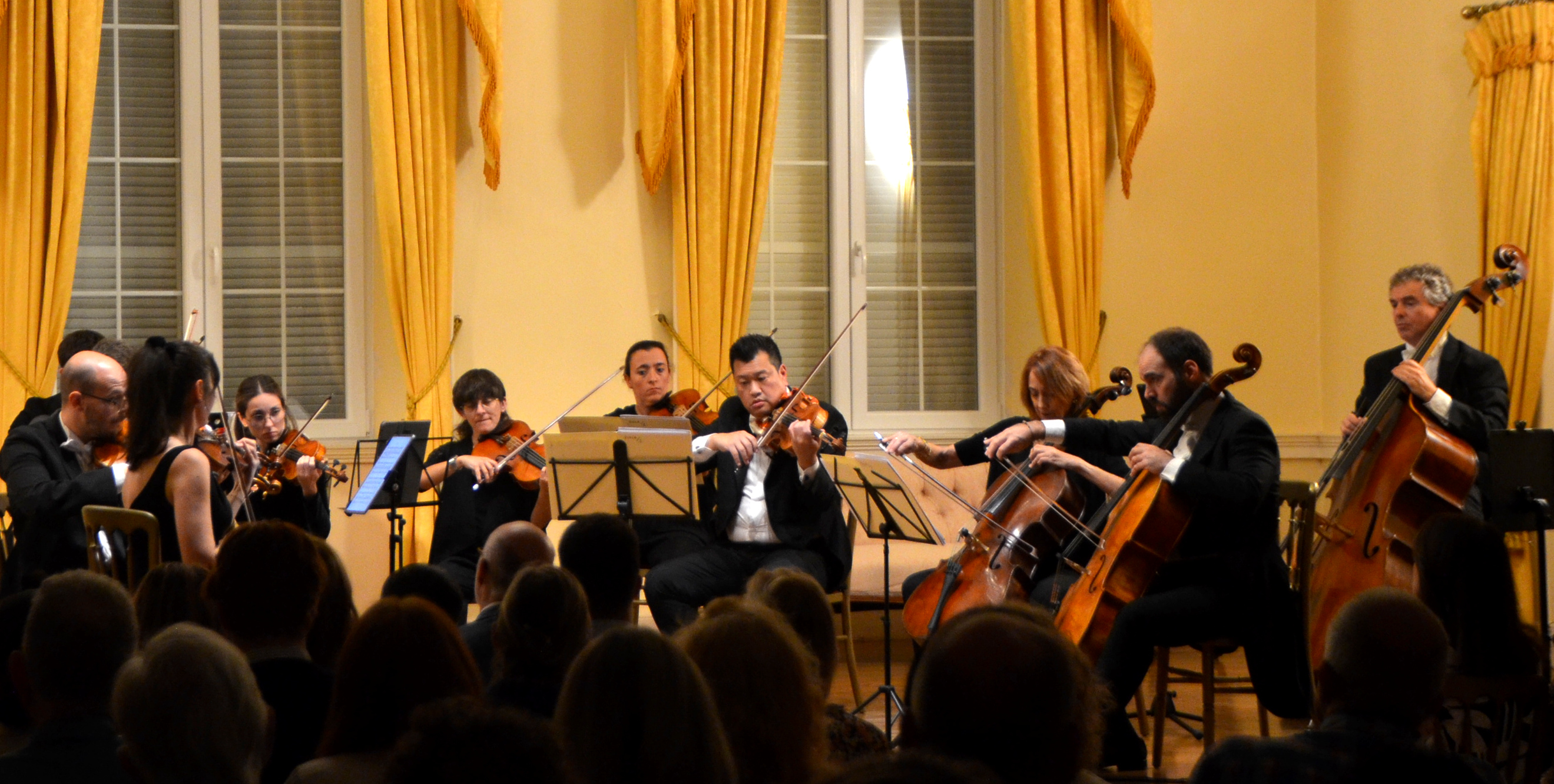
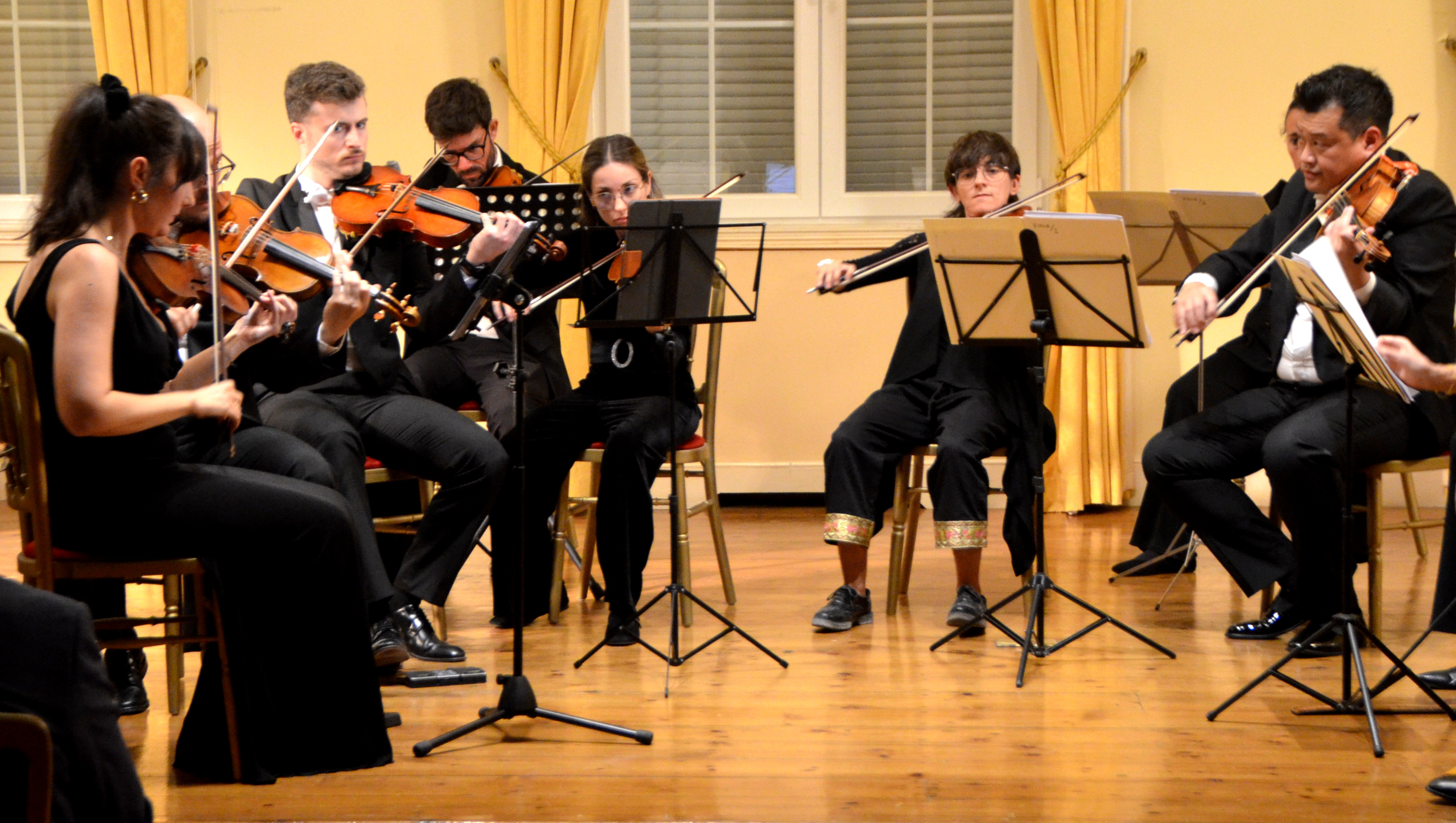
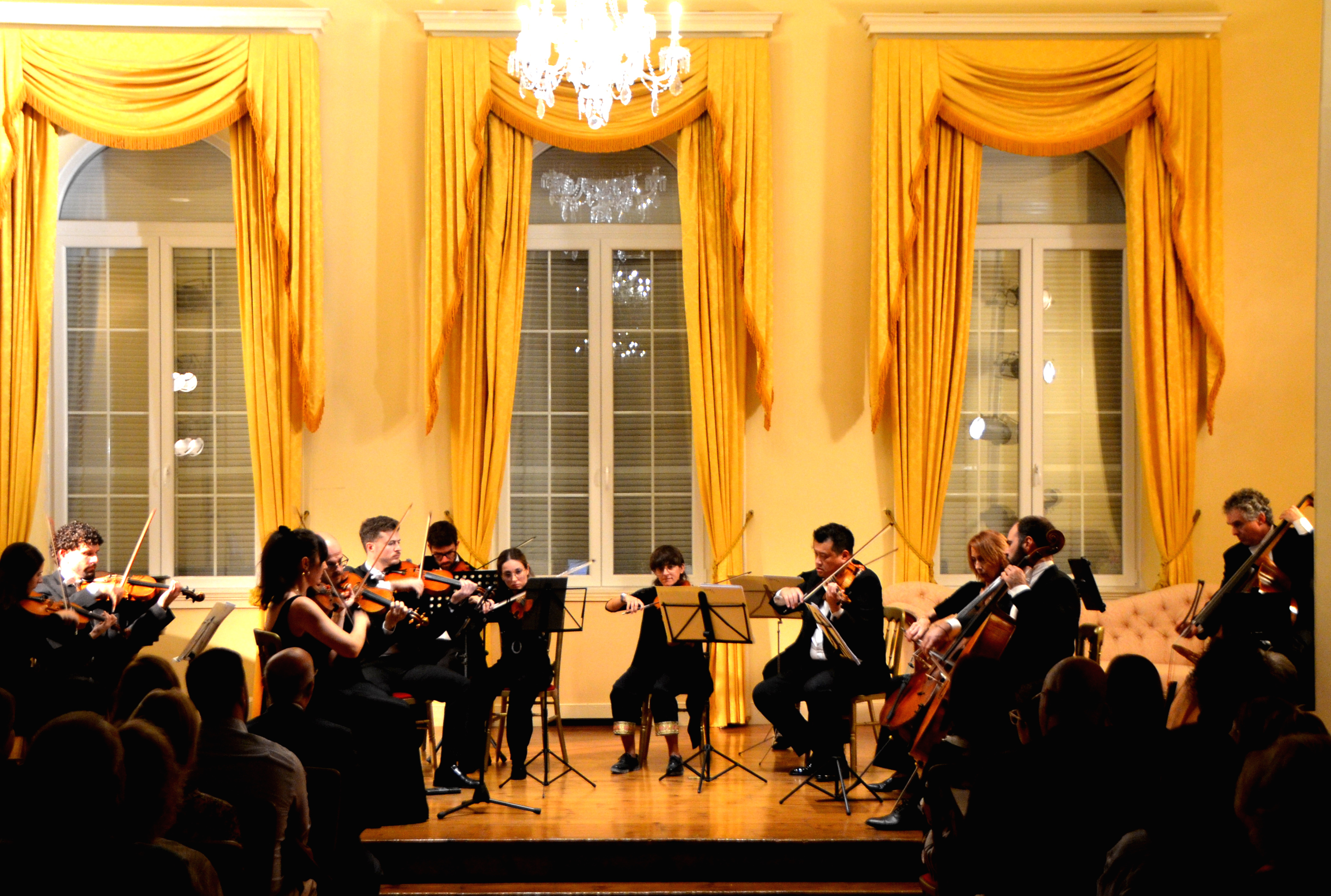
The Gibraltar Philharmonic Society opened its new season with a concert featuring music for strings in the Convent Ballroom last Wednesday. Under the ‘Romantic Strings’ heading, attendees were treated to folk-inflected and classically proportioned music by Turina, Borodin, Britten, Grieg, and Bartók played by the string section of the European Sinfonietta and directed by the their first violin Lilit Poghosyan.
The evening opened with Joaquín Turina’s La oración del torero which is practically a tone poem depicting a bullfighter praying in a chapel before risking his life in the bullring. A mysterious, Flamenco-tinged opening evoked the strutting of the bullfighter with the darker tones of the cello adding to a sense of apprehension. Turina, like other Spanish composers of his generation (1882-1949), was in thrall to the French impressionist school of Debussy and Ravel, an influence especially noticeable in the calmer sections where the strings shimmered. The European Sinfonietta’s tone came across as polished and supple for this interesting opener.
The slow movement Notturno, from Alexander Borodin’s String Quartet No. 2, followed with its soulful cello tune and Slavic feel. This arrangement for larger forces helped to showcase Borodin’s compositional brilliance. Although the Sinfonietta ensemble could have been a bit sprightlier—there was a sense that they got slightly bogged down in the development section—their performance of this excerpt had the audience transfixed.
The precocity and genius of Benjamin Britten’s Simple Symphony burst into life next. Many of the tunes used by the English composer in this work originated in pieces he composed between the ages of nine and twelve. Whatever we were up to at that age, we certainly weren’t penning the delightful melodies that found their way into the opening Boisterous Bourreé (Britten helpfully specifies the expected musical approach in his movement titles), with the Sinfonietta’s performance bursting with a youthful energy. The Simple Symphony’s musical world is very similar to that of the Soviet composer Prokofiev: Baroque and Classical forms provide the containers into which is poured music that has a modern flavour. One of the highlights of the evening was the inventive Playful Pizzicato movement; several minutes of music produced purely by the plucking of strings. The Sinfonietta players were clearly enjoying themselves, their fingers darting up and down the strings and the cellists strumming away as if they were at a village fair. Britten’s Sarabande, the third movement of this miniature symphony and a necessary contrast after all that playfulness and boisterousness (thanks for the adjectives, Ben!), was given a deeply felt performance. Lilit Poghosyan, directing, was the object of subtle glances and nods from the other players and they took her lead. The uplifting finale (‘frolicsome’, according to Britten), had a powerful pulse, pushing the music forwards. The Sinfonietta strings excelled themselves in this piece—I hope those concert goers who were unfamiliar with this work continue to explore Britten’s rewarding music after this.
After the interval, we heard the stately Baroque forms, Romantic yearning and Nordic charm of Edvard Grieg’s Holberg Suite. The instantly memorable opening theme was crafted with so much energy by the Sinfonietta—there was nothing perfunctory about their performance of this music. One of their cellists really shone in the Sarabande’s mournful music and the drone notes of the Gavotte were a reminder of the influence of Scandinavian folk dances on Grieg. The Air, with potent whiffs of Bach, was emotionally rewarding with the ensemble maybe again losing some momentum as the music drew on. The mercurial first violin was the star of the closing Rigaudon, crowning a lively and alert performance of this popular string composition.
Bela Bartók’s Romanian Folk Dances, the fruits of his research collecting and recording folk tunes in Transylvania, closed the evening’s programme. Bartók uses the strings to mimic the sound of the flutes and fiddles of peasant music— little, hummable ditties planted in the fertile earth of towns and villages. There was also an exotic flavour to this gypsy-inspired music: in the third movement, In One Spot, a tune with a Middle Eastern atmosphere is spun out of nowhere by the first violin. The closing movement—a ‘fast dance—saw the Sinfonietta strings in an exhilarating rush to the end with the audience finding the the toe-tapping thrill of the music hard to resist.
The European Sinfonietta is no stranger to the Rock. In this visit, their string section delivered a committed performance of a varied programme that included some less well-known pieces. What struck me above all was how much they appeared to enjoy what they were doing. Whether it was the knowing glances and smiles among the players or their joy-filled pizzicato work, this ensemble showed us what a difference an approach that relishes every note and turn can make.