


Nicola Moorby Discusses Constable and Turner at the Literary Festival
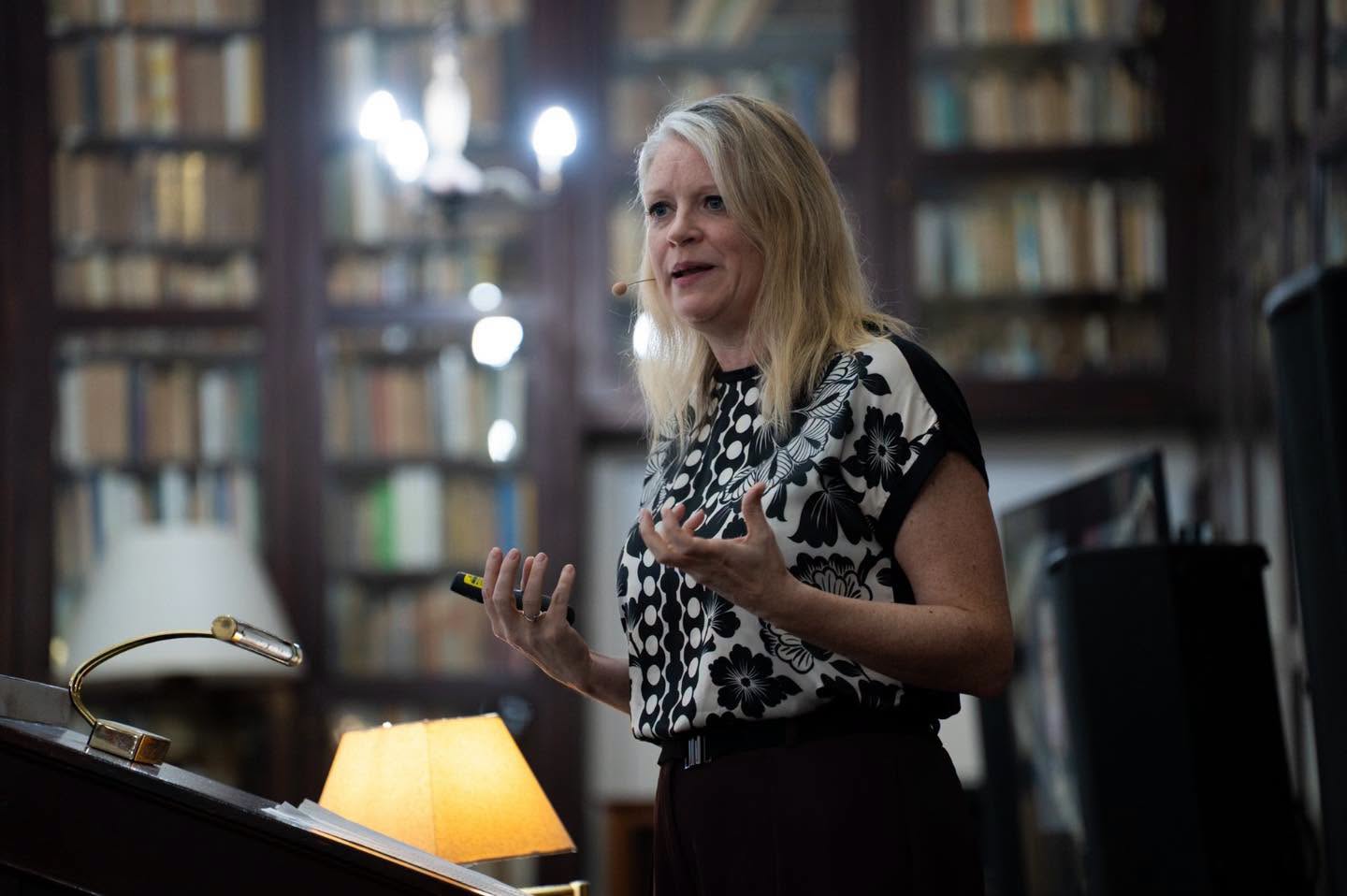
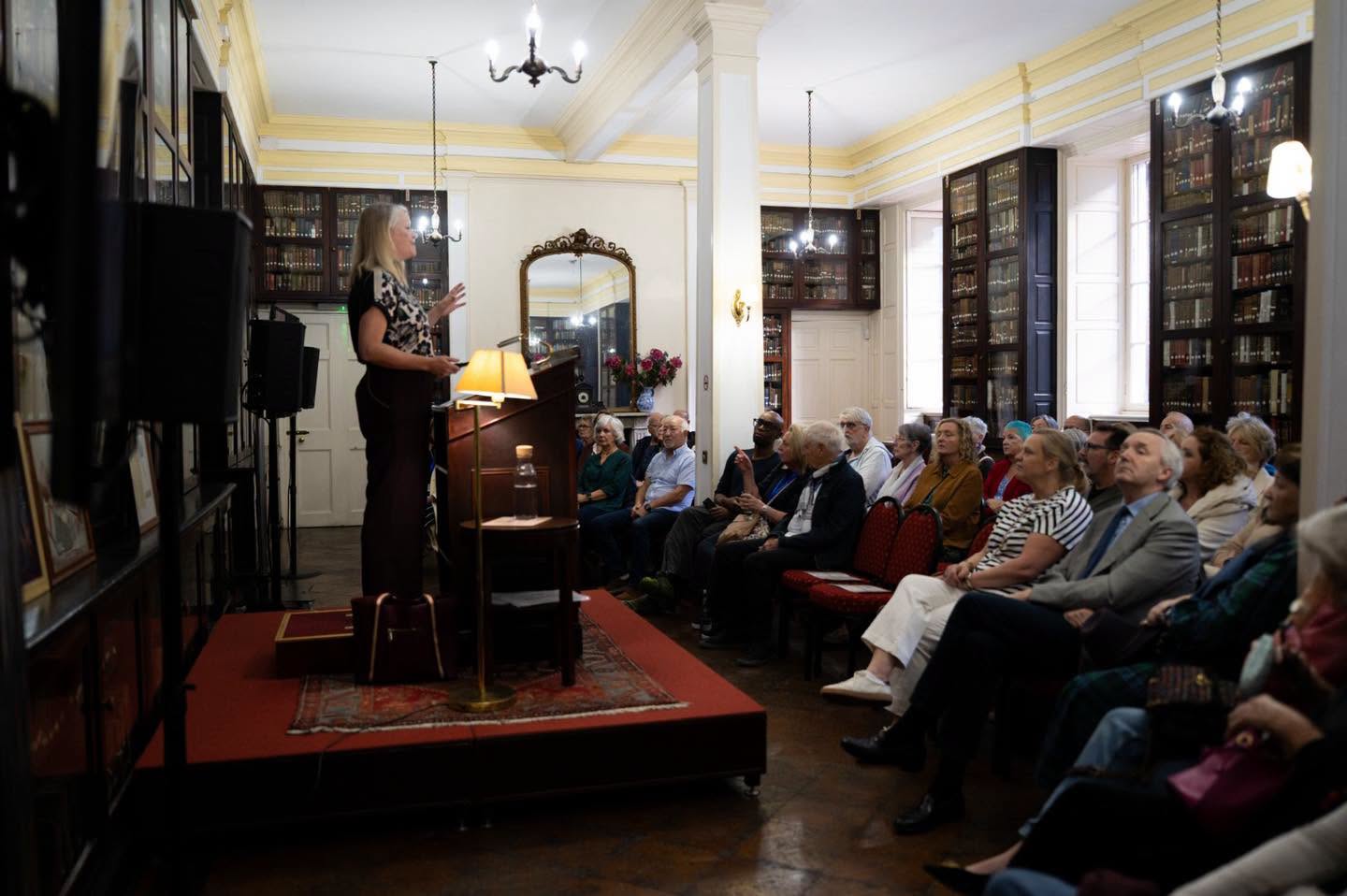
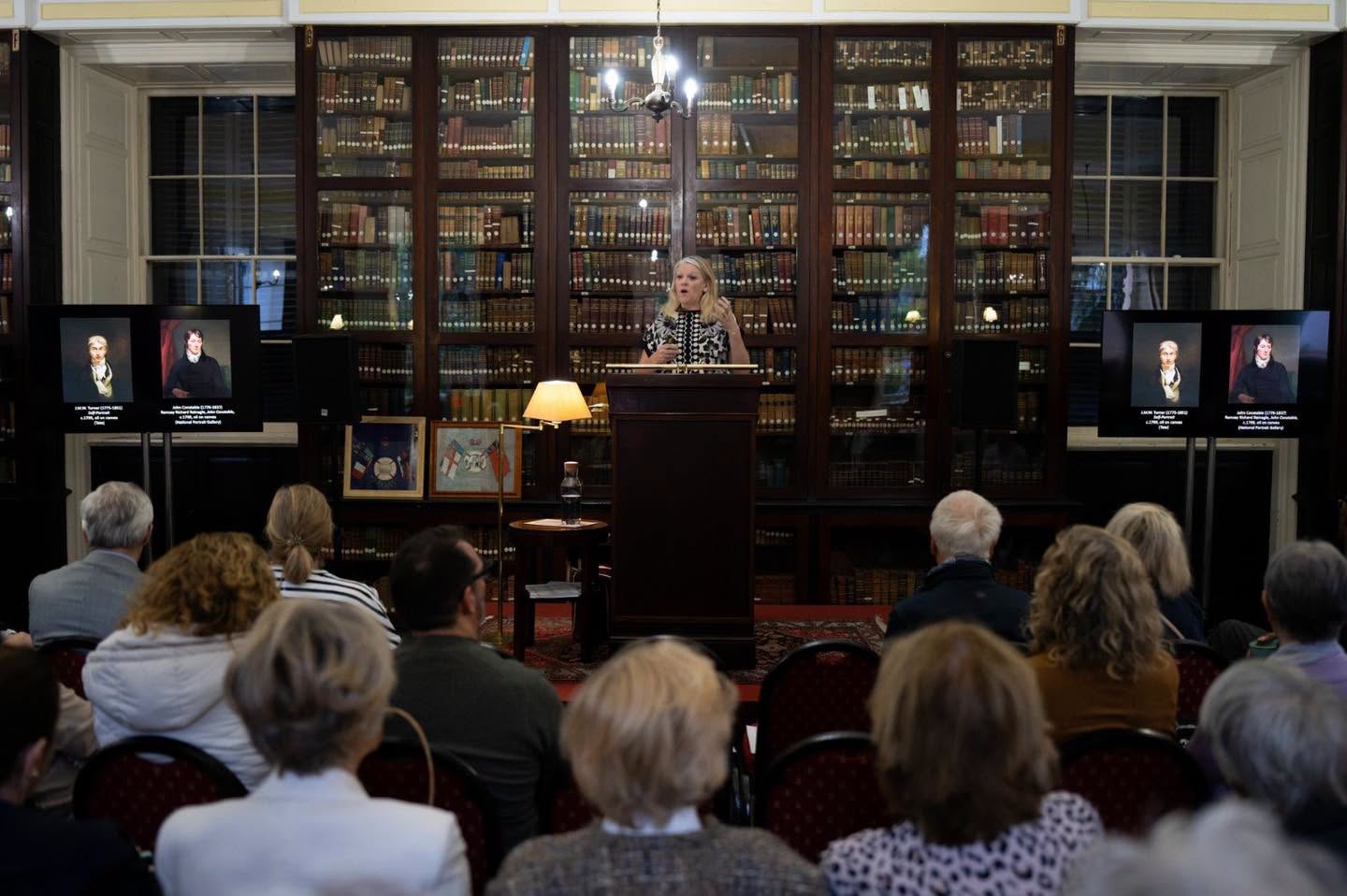
Art historian and curator Nicola Moorby gave a talk about J.M.W Turner and John Constable—two of Britain’s greatest artists—yesterday morning at the Garrison Library as part of the Gibunco Gibraltar Literary Festival.
Ms Moorby’s main message was that art history and the popular imagination had always opposed and contrasted these two artists. Instead, Ms Moorby argued that Turner and Constable, who were almost exact contemporaries, were not engaged in a fierce rivalry and that seeing their relationship in these terms could shift attention away from their achievements and radical innovations.
Among the reasons why the two artists had been pitted against each other was that their backgrounds and creative approaches appeared to represent opposites: whereas Turner was London-born, Constable came from the rural Suffolk / Essex borders; while Turner was more experimental and painted grander, classically-influenced landscapes, Constable would depict humble rustic scenes. She said the pair were also “unlike in temperament, background, belief and vision.”
However, despite these superficial differences, Ms Moorby said that comparing the artists as opposites or rivals risked being “reductive.”
Analysing the artists’ most famous works in detail (Turner’s The Fighting Temeraire and Constable’s The Hay Wain), Ms Moorby said that where Turner depicts “flux, change and the industrial age”, Constable’s work displays “nostalgia and an agrarian existence.”
The different upbringings of both artists were also contrasted: the city boy and working class Turner, bursting with “unsettled restlessness”, was driven to succeed and make profit, while Constable, described as “inward-looking” and tied the local, grew up as part of a well-established family.
Turner was also, by contrast, more precious than Constable: he entered the Royal Academy aged just 14 with his contemporary not entering the prestigious academy until he moved to London aged 23.
Ms Moorby noted that, in their mature paintings, Turner painted scenes with more poetic or imaginative content whereas Constable rendered the natural world as it was, ‘warts and all.’
Turner also travelled more widely than his compatriot, visiting Europe and infusing his works with Mediterranean light and chrome yellow, a practice that made some critics describe his work as “jaundiced.” Constable, on the other hand, was held up as a healthy English alternative although critics also focused on his occasional splashes of white paint objecting that they had the appearance of snow.
In the end, explained Ms Moorby, the supposed rivalry between the two artists boiled down to just one incident when Turner added a blob of red paint to one of his works in the Royal Academy, an act that was interpreted in a hostile manner as it appeared to echo the addition of red pigment by Constable in a work of his that was displayed next to Turner’s. She argued that this act might have just been part of the ‘high jinks’ among artists rather than a mockery or act of parody.
Ms Moorby ended the talk by noting that both artists were deemed significant enough to enter the national consciousness, a fact marked by the use of the artists’ self-portraits and paintings for the design of the pre-Brexit passport and the £20 note.