
“Code-Switching Is A Skill, Not A Deficit” Says BabelBrain Principal Investigator

Following yesterday’s interview with two researchers collecting data for the ‘BabelBrain: Mapping multilingual ecologies’ research project, today we speak to the project’s principal investigator María Carme Parafita Couto who is currently an ATRAE Distinguished Researcher at the University of Santiago de Compostela.
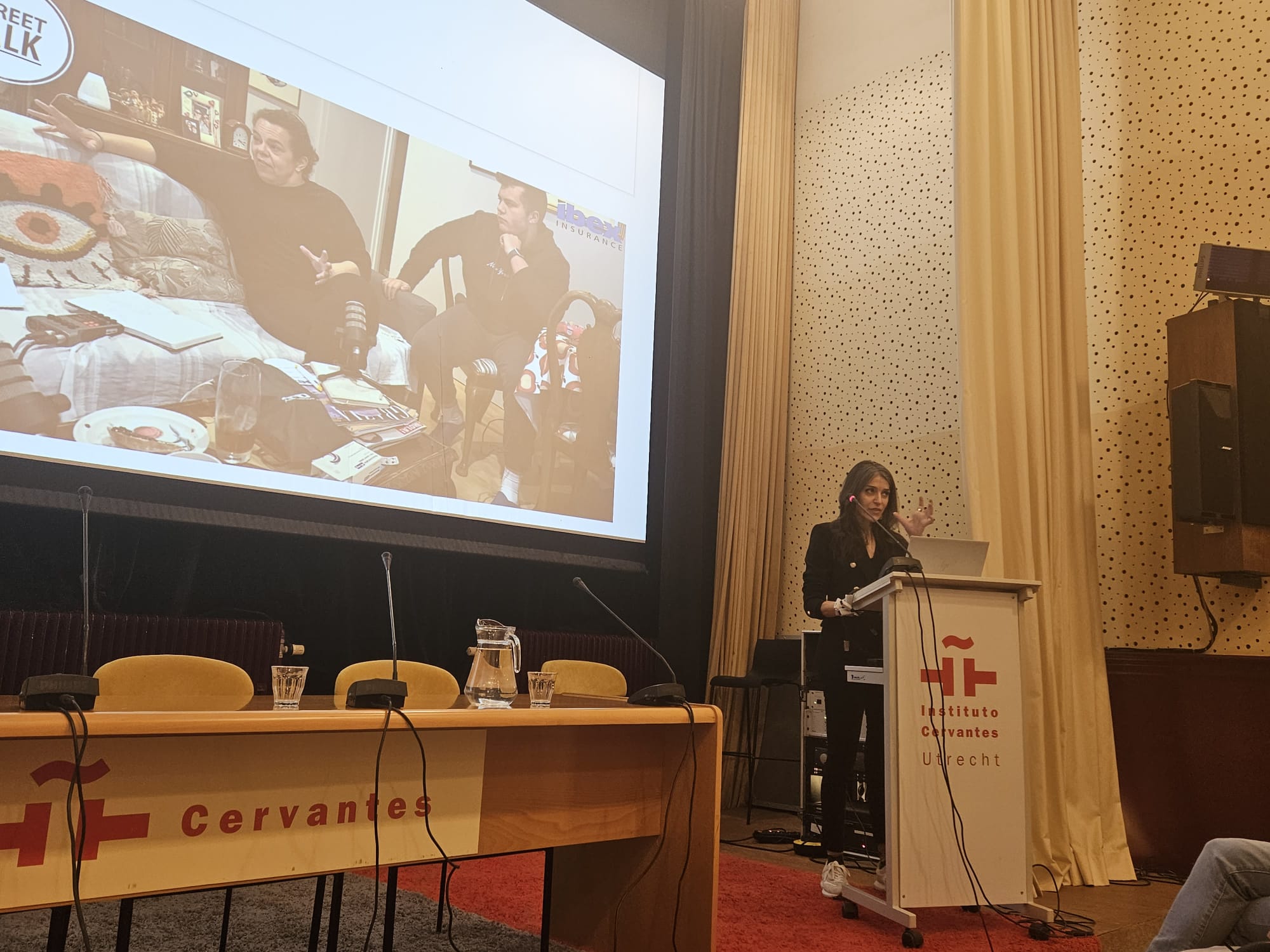
Her interest in Gibraltar was sparked by Professor Elena Seoane, her teacher when she was an undergraduate in the mid 1990s. Professor Seoane, from the University of Vigo, is also running a research project that includes the study of the Rock’s linguistic landscape.
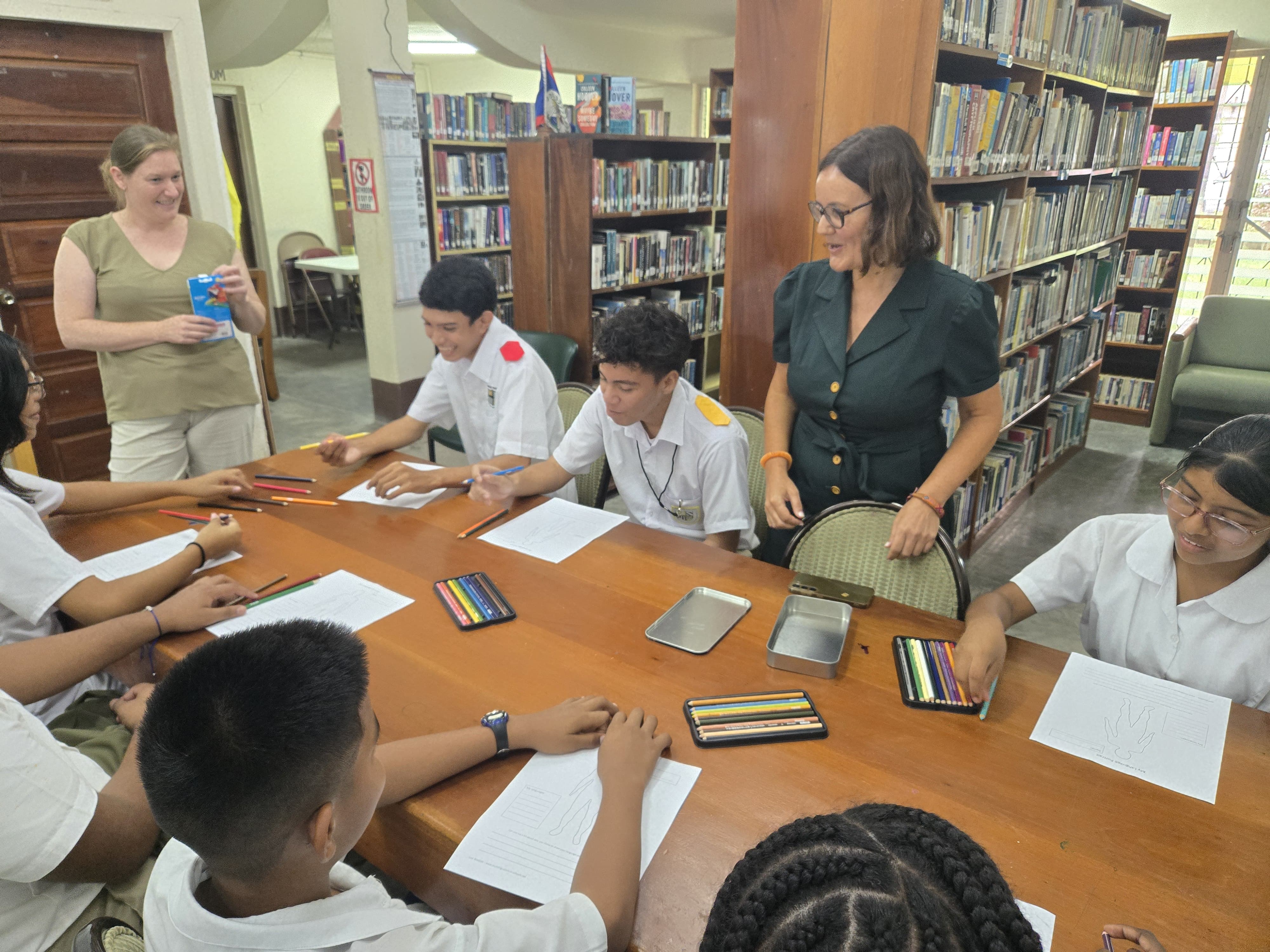
Dr Parafita Couto has previously conducted research in the United States, Belize and Africa and she is keen to explore similarities and variations between different multilingual communities.
She says that the language mix in Spanish-speaking communities in the U.S, like those found in Miami, New Mexico, El Paso, and Chicago, displays significant similarities with Gibraltar’s bilingualism. Belize, a former British colony in Central America, is another interesting case that has attracted her attention as its people freely mix English, Spanish, a local creole and other native languages.
Dr Parafita Couto expands: “In Belize, interestingly, people identify with this mix of languages—they don’t want to identify with speaking just one of these languages. In this sense the historical makeup really shapes how people feel about the languages they speak.”
One similarity between Gibraltar and other multilingual communities highlighted by Dr Parafita Couto is that, in some Spanish-speaking groups where language mixing is quite dense, when you use a noun in English, you use the determiner in the masculine form in Spanish: so people say “el table” rather than "la table". This masculine default is also present in Puerto Rico, Belize and Miami.
All this points to Llanito and other bilingual varieties being thoroughly rule-governed although many still hold on to the prejudice that mixing English and Spanish in this way is ‘messy’ or ‘random’. One of the project’s aims is to dispel myths about code-switching and to help remove any stigma associated with the liberal mixing of tongues.
Dr Parafita Couto believes this prejudice stems from ideas regarding linguistic purity that are peculiar to the West: “People think that any sort of code-switching is random or messy, especially in the West, because we have a very monoglot ideology. The belief is that we have these languages and they must remain separate. Look at the name of our project ‘BabelBrain’—this refers to the story that God punished us by making us speak in multiple tongues and the punishment implied that our brain would not be able to cope with more than one language. But this imposition of separation is something social, it is not something cognitive, and these monoglot ideologies do not exist in other cultures. In Belize, it is speaking in just one language that is seen negatively because you are affiliating yourself with the coloniser.”
Dr Parafita Couto says the mistaken idea that we must align with just one language is part of a “very prescriptive mindset” that is nothing more than a “social imposition, a prejudice, not what our brain does or something with a cognitive or linguistic ground.”
Moreover, she explains that the type of code-switching heard on the streets and cafeterias of Gibraltar, where people mix elements of both languages within the same sentence, requires that speakers be highly proficient in both tongues: “Rather than being a deficit, code-switching is actually a skill.”
She stresses that the nature of the research in Gibraltar is purely descriptive and that all data collected will be anonymous.
“We want to describe and document—to give Gibraltar a space in this comparative research—but we are not there to judge what people are doing.”
The BabelBrain researchers will be at the John Mackintosh Hall (Studio One) every day until the 29th of June from 9 am to 7 pm but are also able to meet people at other times and locations. Contact them at [email protected]. Participants in the study will receive £15 each. All research data is completely anonymous.
Pics:
Above: Left to right: Hugo Parra (PhD student) Lucía Vieitez Portas (Postdoctoral researcher) principal investigator María Carme Parafita Couto and Sabela Morais Martínez (Predoctoral researcher)
Below: María Carme Parafita Couto conducting research in Belize.
Bottom: Professor Elena Seoane speaking about Gibraltar’s languages in Utrecht.



Latest News
- Bluefin Tuna Open Season 2026
- Nautilus World Ocean Day Award Ceremony
- GSD Questions Government Assurances Following Gibraltar Blackout
- Concert Review: A Celebration of Opera - Popov and Novikova
- Chief Minister To Address UN Committee Of 24
- Join Us For A Time To Talk Morning
- PX Group Issues Statement Following Power Failure
- GHA To Install ‘Blood Donor Appreciation Wall’ At St Bernard’s
- Traffic Restrictions Announced For Royal Engineers Association Remembrance Parade
- Minister Feetham's Address At The KPMG Gibraltar Gaming eSummit 2026