
’A Legacy of Recipes from Lely’s Kitchen’ Book Released - Author Interview

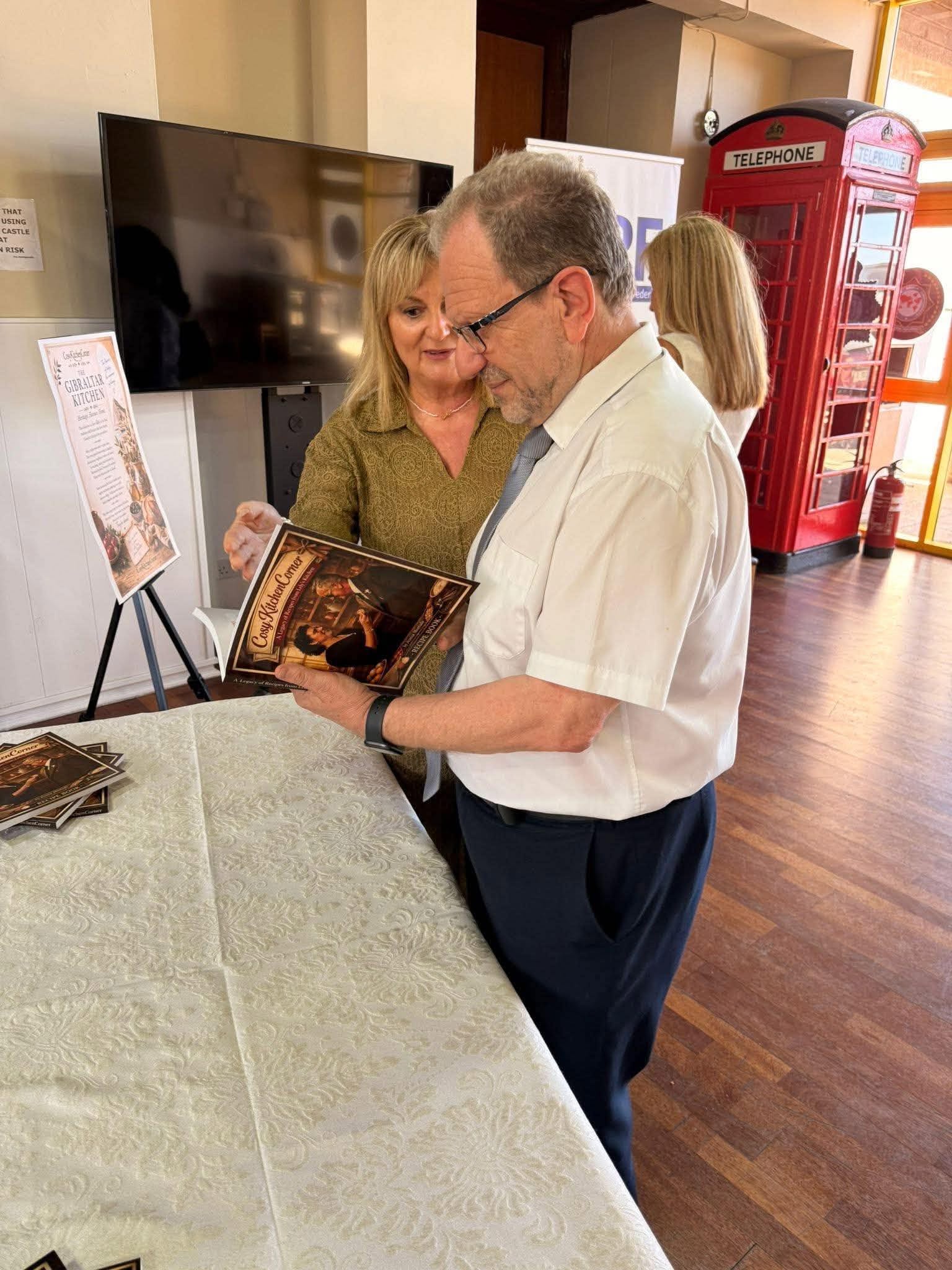
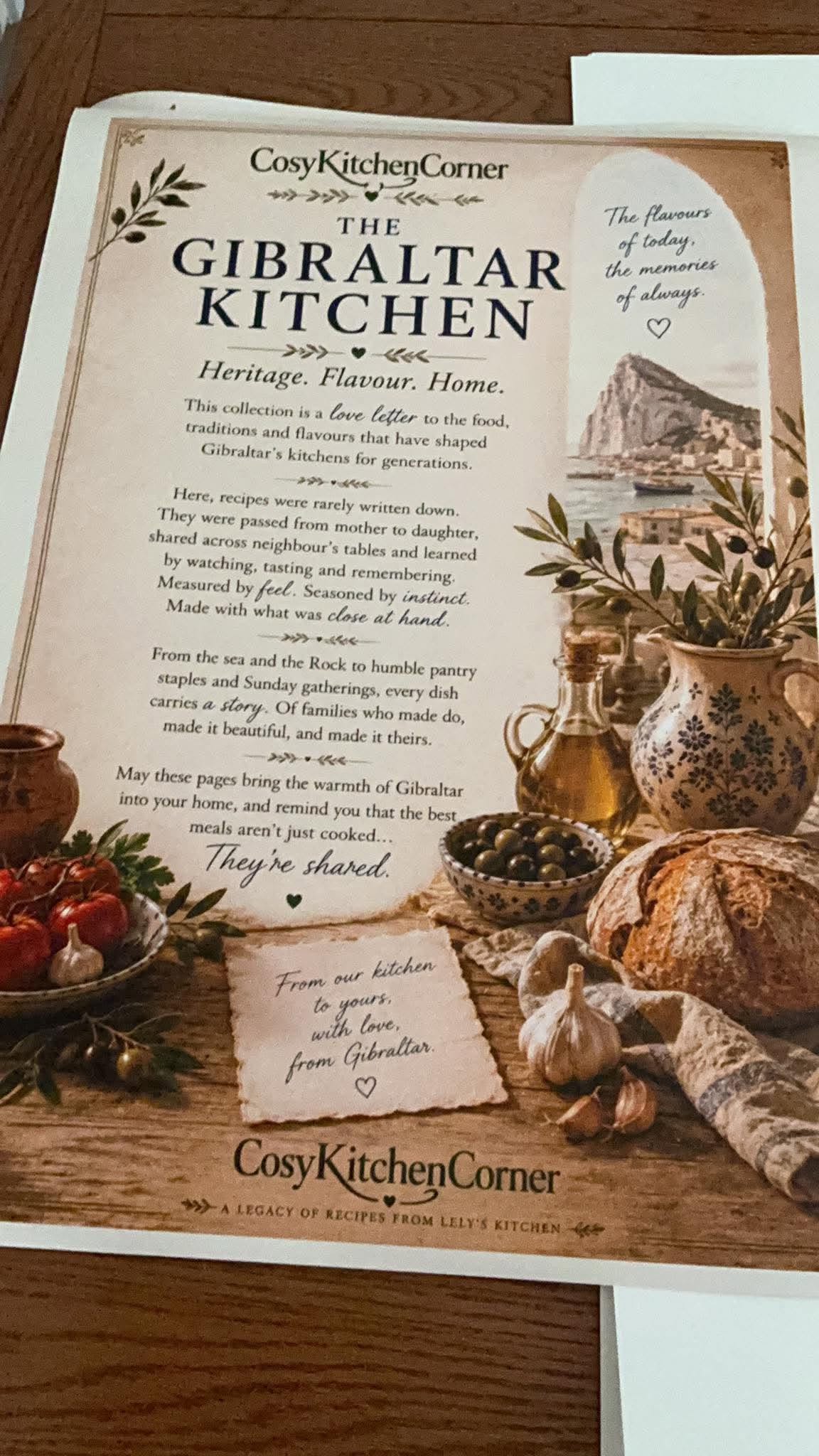
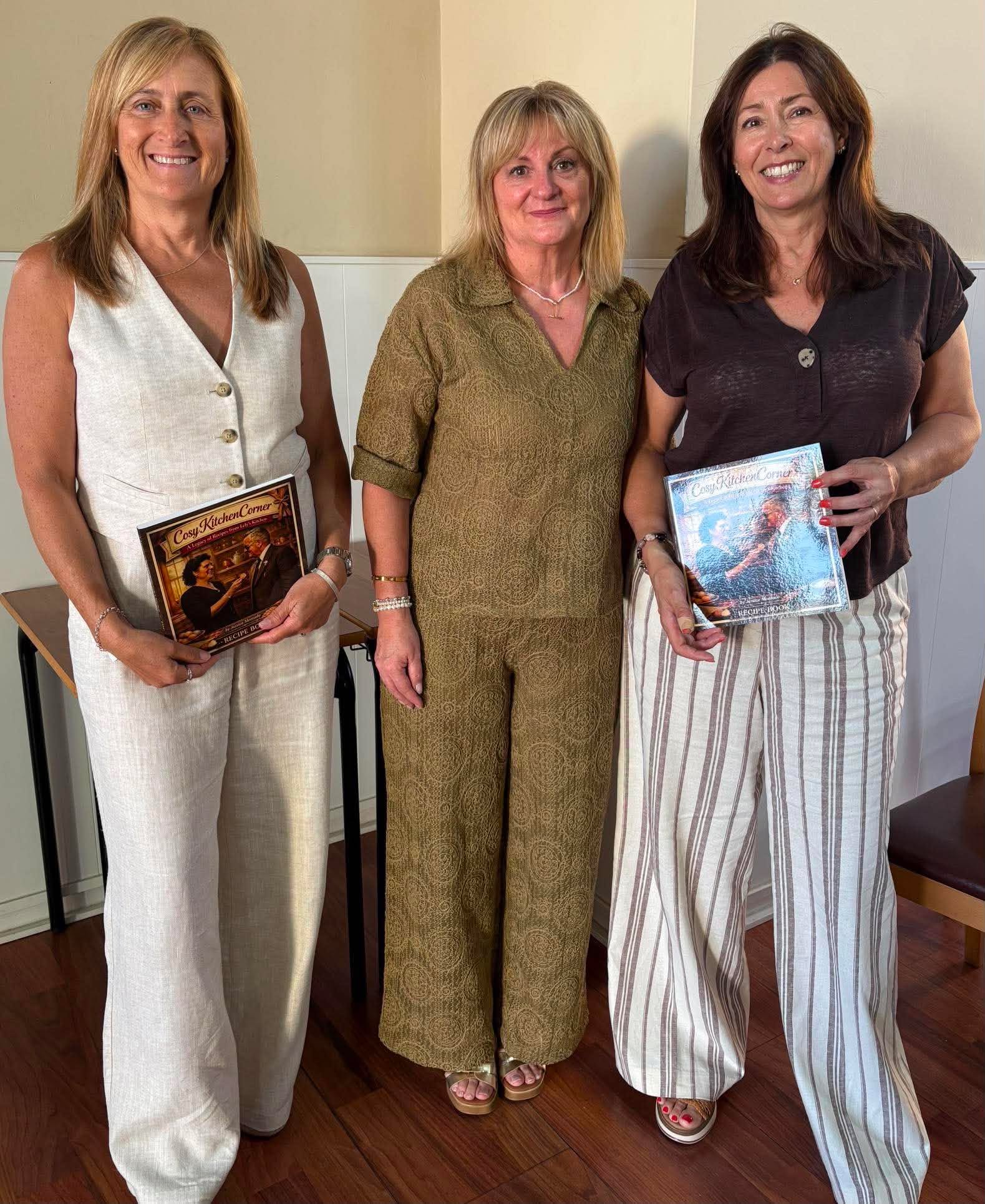
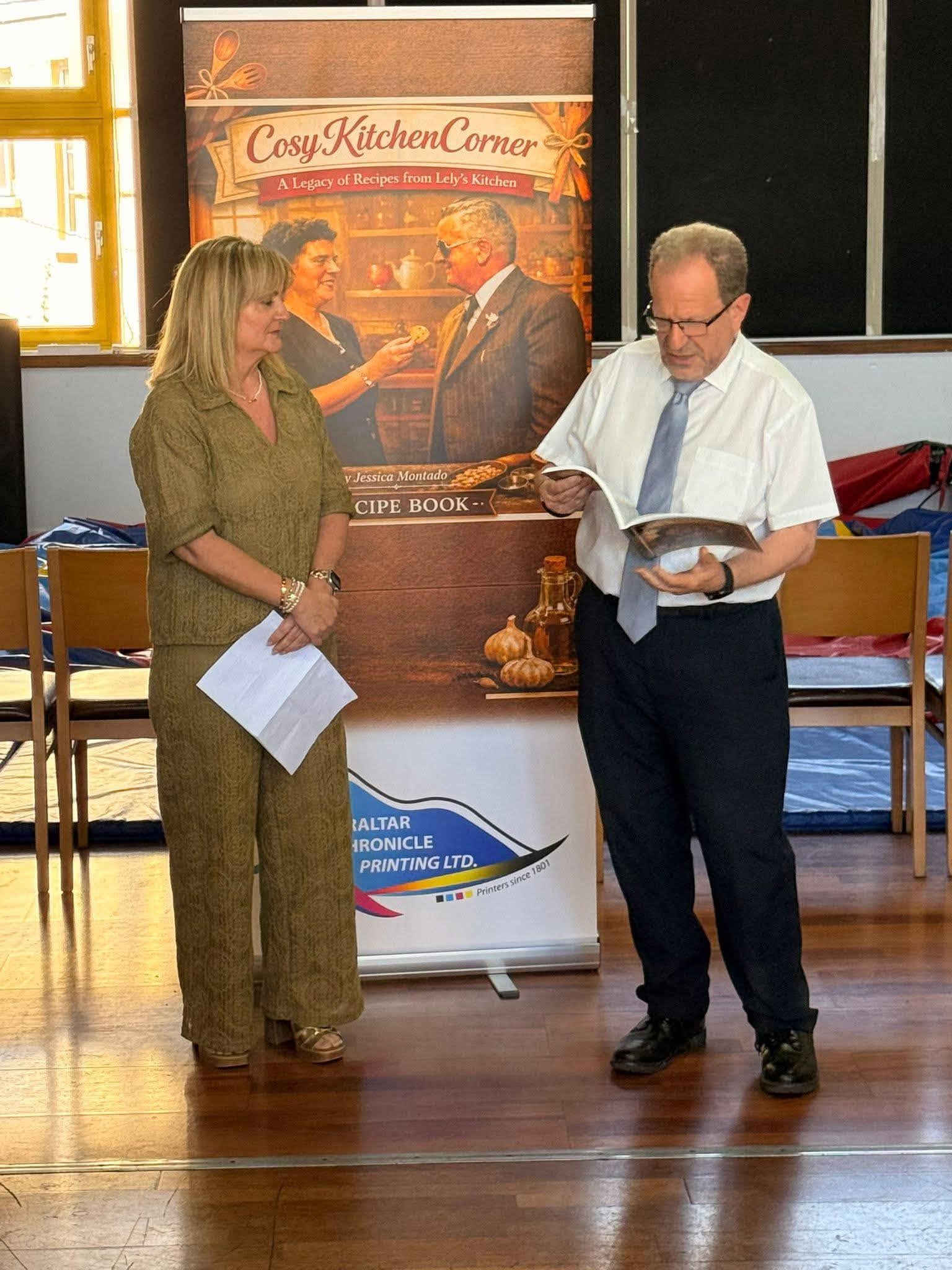
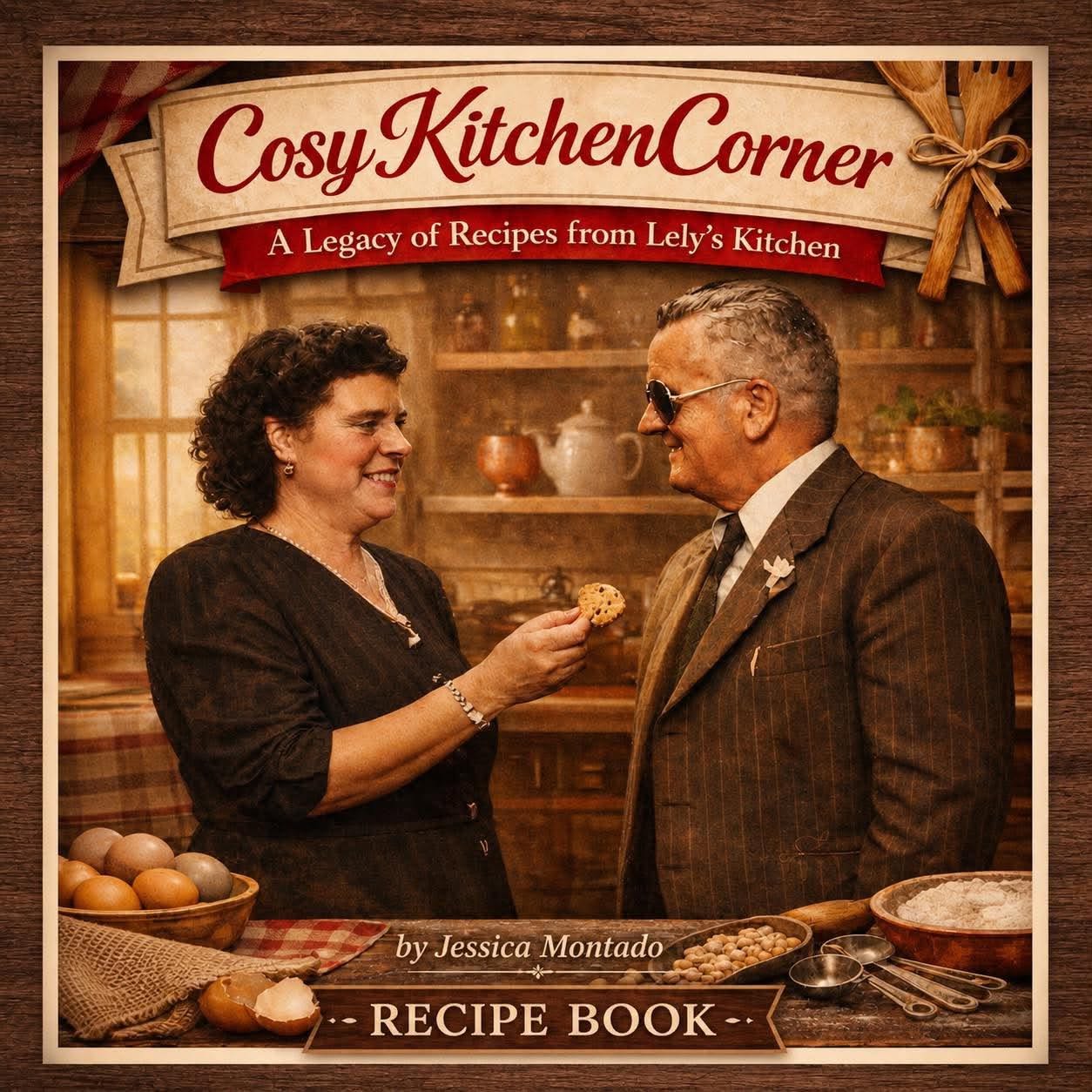
Jessica Montado, of Cosy Kitchen Corner, has recently released ‘A Legacy of Recipes from Lely’s Kitchen’, a book bringing together recipes passed down to her by her grandmother Lely. We caught up with Jessica to ask her about how the recipes that appear in her new book are much more than ingredients and a method—they also reflect local traditions, culture and family memories.
YGTV: Where do these recipes come from?
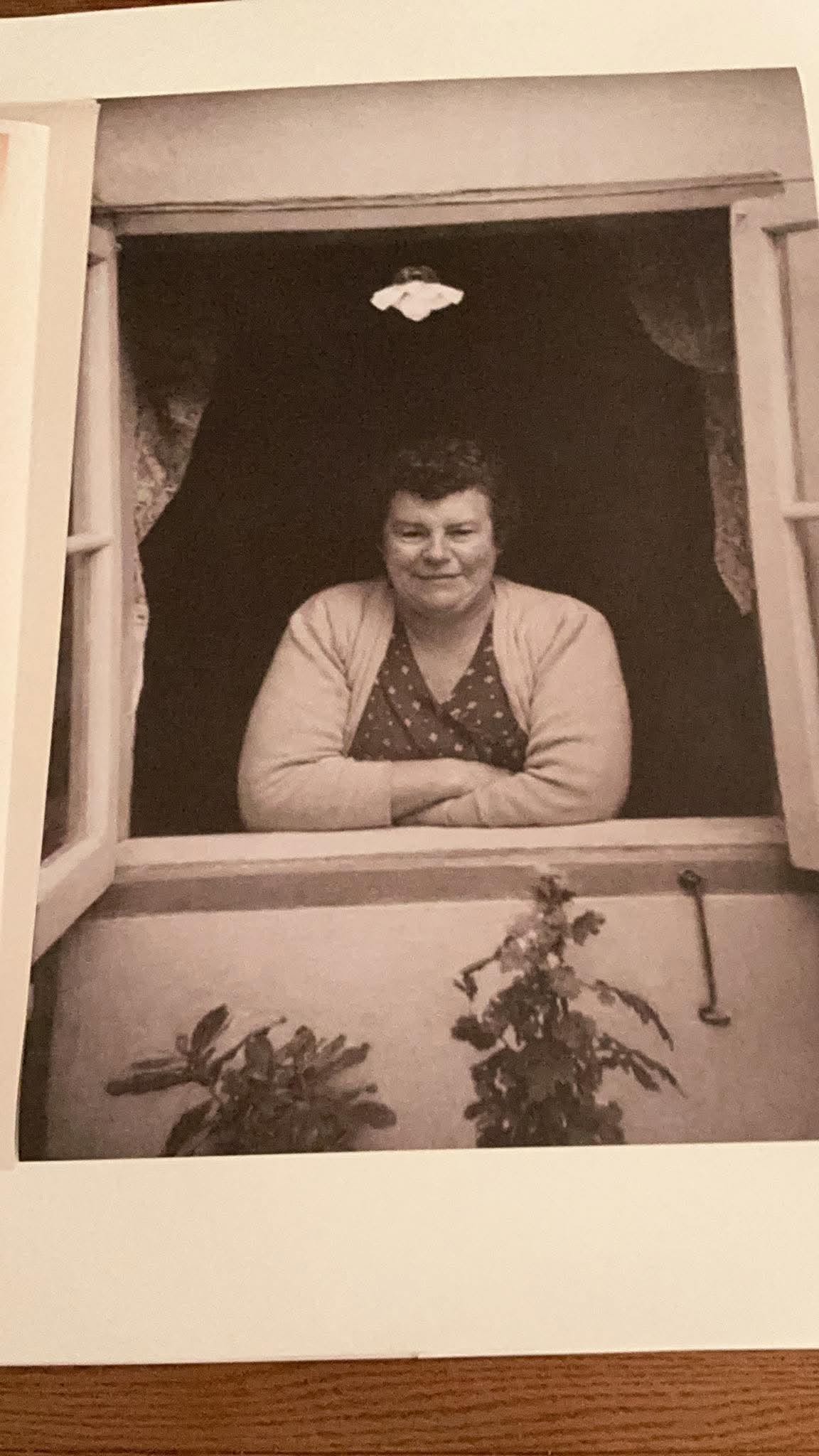
Jessica Montado: The recipes in A Legacy of Recipes from Lely’s Kitchen were passed down to me by my grandmother, Lely. They are the dishes I grew up with and the recipes that most remind me of her.
I spent countless hours in her kitchen from the age of four or five, watching, helping and learning. Like many women of her generation, Lely rarely followed written recipes. Everything was cooked by experience and memory. Measurements were often judged by eye, and recipes were passed down through practice rather than notebooks. We’ve all heard the “ un puńaito”, “al tun tun”, or “lo que admita” phrases recipes were passed down with.
Lely was born and raised in Gibraltar, and her cooking reflected the rich mix of cultures that make up our community. The recipes in this book are the ones she cooked for family meals, celebrations and everyday life. They are far more than a collection of ingredients and methods; they are my memories of a grandmother, a family and a way of life.
The book carries her name because it is her legacy. Through these recipes, I wanted to preserve not only the food she cooked but also the stories, traditions and values that surrounded it.
YGTV: Why did you feel it was the right time to put these recipes together and publish them?
Jessica Montado: For many years I knew I wanted to preserve these recipes, but life always seemed to get in the way. As I grew older, I became increasingly aware of how easily family stories, memories and traditional recipes can be lost if they are not recorded.
My mother is still with us and is now just a few months short of her 90th birthday. Throughout the process of writing this book, I questioned her endlessly about recipes, family traditions and memories from the past. On some occasions, I even secretly recorded our conversations so I could listen to them again later, compare her memories with my own and make sure I was capturing the details as accurately as possible.
The seeds of this book were planted many years ago. When I was around ten or eleven years old, my grandmother, Lely, suffered a stroke. After that, instead of us visiting her as we always had, she and my grandfather came to live with our family. During those years, she often encouraged me to write down her recipes. Time and again she would say, “Yo no voy a estar aquí siempre”.
What she passed on were ingredients and memories rather than precise recipes. Like many women of her generation, she cooked by instinct. There were very few measurements, temperatures or detailed instructions. Over the years, I had to work my way through those recipes myself, testing different quantities and methods until the finished dish tasted as I remembered. My greatest test was always my mother. If she tasted a dish and said, “Yes, that’s just like I remember,” then I knew I had got it right.
As time passed, I began to feel a responsibility to preserve these recipes and the stories that accompany them. They are part of my family’s history, but they are also part of Gibraltar’s wider culinary heritage. I didn’t want them to disappear with my generation. Writing this book was my way of ensuring that these recipes, memories and traditions could continue to be enjoyed and passed on for years to come.
YGTV: What would you say are the main features of Gibraltarian cuisine? What makes it distinctive?
Jessica Montado: Gibraltarian cuisine is a reflection of Gibraltar itself. It combines influences from Spain, Italy, Malta, Britain, Morocco and the wider Mediterranean, creating something that is uniquely our own. We even have traces of Dutch influence in our love of Edam cheese, or queso bola duro as many of us still call it.
Many of our traditional dishes are simple, hearty and family-centred. Recipes such as calentita, panissa, rosto and torta de acelga and have been enjoyed by generations of Gibraltarian families and remain part of our shared food culture.
What makes our cuisine distinctive is not just the ingredients we use, but the way different cultures came together in our homes and kitchens. Gibraltar’s history can often be seen on the plate. Rosto is a perfect example. It combines Italian influences through its rich tomato-based sauce and pasta, Spanish influences through the addition of potatoes and slow-cooking traditions, and British influences through its use of beef. Yet over time it evolved here into a dish that is unmistakably Gibraltarian. Families adapted recipes to suit local tastes, available ingredients and their own traditions.
In many ways, that is what Gibraltarians have always done. We are a diverse people. We adopt what we like, adapt it to make it our own and quietly put aside what we don’t. Why would our food be any different?
Our cuisine has never stood still. It continues to evolve with each new generation, adding new influences and creating new traditions. That is why I believe it is important not only to preserve the dishes and memories of my generation, but also to leave room for future generations to contribute their own stories and recipes.
For me, food is one of the strongest keepers of memory and one of the most powerful storytellers of our past. A single smell or taste can transport us back to a particular kitchen, a family gathering or a moment in time. Through food, we remember not only what we ate, but who we were and the people who shared those meals with us.
YGTV: How do these recipes connect with Gibraltar’s identity and heritage? Do you think we risk losing the knowledge behind these dishes?
Jessica Montado: I think food is one of the strongest connections we have to our past. Long after buildings have changed and people have gone, recipes often remain. They tell us where we came from, how our families lived and the influences that shaped our community.
Many of the recipes in this book are more than dishes; they are part of Gibraltar’s collective memory. They remind us of family kitchens, Sunday lunches, feast days, celebrations and the everyday meals that brought people together. They tell the story of a small community that absorbed influences from many cultures and transformed them into something uniquely Gibraltarian.
I do think there is a risk of losing some of this knowledge. In fact, during a recent radio discussion about Gibraltarian food heritage, fellow panellist GastroRob mentioned that he had shown a photograph of a plate of rosto to a group of schoolchildren and none of them recognised it. That really stayed with me. Rosto is one of Gibraltar’s most iconic dishes, yet there are children growing up today who may never have seen it, tasted it or even heard its name.
We cannot allow that to happen.
Traditionally, recipes were passed from one generation to the next by standing beside a parent or grandparent in the kitchen and learning through observation and practice. As lifestyles change, those opportunities are becoming less common, and with them we risk losing not only the recipes but also the memories and stories attached to them.
That was one of my motivations for writing this book. I wanted to preserve not only the ingredients and methods, but also the memories, traditions and way of life connected to them. Future generations will create their own food traditions, as every generation does, but I believe it is important that they also understand the dishes that came before them and the people who kept those traditions alive.
Food has an extraordinary ability to trigger memory. A smell, a taste or a familiar dish can instantly transport us back to a particular place, person or moment in time. For me, preserving these recipes is really about preserving those memories and ensuring that an important part of Gibraltar’s heritage is not forgotten.
YGTV: What are the recipes collected here which mean most to you personally and why?
Jessica Montado: That is probably the most difficult question because every recipe in the book is connected to a memory.
If I had to choose one, it would probably be Tuna Rice. It has always been one of my comfort foods. Whenever I make it, it reminds me of family gathered around the table and of a time when, at least for me, life seemed carefree and uncomplicated.
But the truth is that every recipe in this book means something to me. Each one carries memories of family togetherness, of my grandmother Lely and my Abuelo Julio. They spent the last years of their lives living with us, and to this day I cannot remember ever seeing them quarrel. What I do remember is a house filled with food, conversation, laughter and the routines of everyday family life.
Every dish in this collection takes me back to Lely’s kitchen. I can still picture her standing at the stove, hear her voice calling out instructions and remember my grandfather’s antics as he moved in and out of the kitchen. Those memories are woven into every recipe.
That is why this book means so much to me. It is not simply a collection of recipes; it is a collection of moments, memories and people who helped shape who I am. Through these dishes, a part of Lely and Abuelo Julio lives on, and every time one of these recipes is cooked, those memories are brought back to life.
In many ways, that is also the heart of CosyKitchenCorner and the reason I created my website. Whether I am sharing a traditional recipe, a family story or a memory from my childhood, my aim is always the same: to preserve and celebrate the recipes, traditions and stories that make us who we are. If this book encourages someone to cook a dish they haven’t made in years, share a family memory around the table or pass a treasured recipe on to the next generation, then I feel I have achieved exactly what I set out to do.
YGTV: Do you think home cooking is something the younger generation do less and less, preferring to eat out or order takeaways? What are the benefits of home cooking traditional food from scratch?
Jessica Montado: Life today is certainly much busier than it was when I was growing up. People work longer hours, family life is often more hectic and convenience plays a much bigger role in the way we eat and shop. It is understandable that takeaways, ready meals and dining out have become part of modern life.
Having said that, I don’t believe younger generations have lost interest in food. Many are passionate about cooking, baking and discovering new flavours. What has changed is that fewer people are learning traditional family recipes and practical kitchen skills in the way previous generations did.
When I was young, recipes were learned by standing beside a parent or grandparent in the kitchen. You watched, helped, tasted and gradually absorbed knowledge without even realising it. Those moments were about far more than preparing a meal. They were opportunities to spend time together, share stories and pass on traditions.
Today, I bake with my four-year-old granddaughter. I show her how to hold a rolling pin, how much pressure to apply when rolling dough or fondant and the little techniques that can only really be learned through practice. Afterwards, she will often sit with her Play-Doh and proudly explain to whoever is nearby, “This is how it’s done because my Lely taught me.” Those moments make me smile, but they are also a reminder of how knowledge is passed from one generation to the next.
That is one of the things I think we risk losing if home cooking disappears from family life. Recipes can be written down, but confidence, instinct and practical skills are usually learned by doing. There is a wisdom that passes naturally between generations when families cook together, and that is difficult to replace.
Home cooking offers benefits that go far beyond the food itself. It brings families together, teaches valuable life skills and creates memories that children will carry with them into adulthood. One day, I hope my granddaughter will be teaching her own children some of the things she learned in my kitchen. That is how traditions survive — not simply by preserving old memories, but by creating new ones for the generations that follow.
YGTV: Where can people purchase the book?
Jessica Montado: A Legacy of Recipes from Lely’s Kitchen is currently available directly from me through CosyKitchenCorner, from the Gibraltar Heritage Trust Gift Shop and from BookGem.
The response to the book has been far greater than I ever expected. What began as a personal project to preserve my grandmother’s recipes and a small piece of Gibraltar’s culinary heritage has resonated with many people, both locally and abroad. One of the greatest pleasures has been hearing from readers who have been reminded of dishes they grew up with, family members they miss and memories they thought had been forgotten.
I am currently exploring the possibility of making the book available through Amazon for overseas readers and, further down the line, translating it into Spanish if this is feasible. Both are projects I would love to pursue, but they are still a long way off.
For now, the book is available directly through CosyKitchenCorner, the Gibraltar Heritage Trust Gift Shop and BookGem. Updates, recipes and ongoing projects can also be found on the CosyKitchenCorner website and social media pages (see links below), where I continue to share traditional recipes, family stories and memories from Gibraltar’s rich food culture.
My hope is that the book will continue to find its way into kitchens and family homes, not only as a cookbook but as a record of the traditions, stories and recipes that have shaped generations of Gibraltarians.
Jessica also wanted to end with these “Final Thoughts” -
Jessica Montado: One thing I would love to see in the future is a greater celebration of Gibraltarian cuisine within our restaurants and hospitality industry.
Many of our traditional dishes can still be found in takeaways, which is encouraging. However, they are rarely showcased in restaurants as part of Gibraltar’s unique identity. Visitors travel all over the world to experience local food and learn about the places they visit through their cuisine. Gibraltar should be no different.
Imagine a visitor sitting down for dinner and discovering a traditional Gibraltarian dish featured as a special of the day, or included as part of a set menu designed to showcase local flavours. A starter of calentita or panissa could be followed by a main course such as rosto or arroz con pollo, giving diners a genuine taste of Gibraltar’s culinary heritage. Add a QR code beside each dish explaining its history, origins and place in Gibraltar’s story, and suddenly the meal becomes more than food — it becomes a cultural experience.
This is not just about tourism. It is about pride in who we are. Our recipes tell the story of the many cultures that shaped Gibraltar and the families who kept those traditions alive. If we do not actively celebrate and share these dishes, they risk becoming something we only talk about rather than something we continue to cook, serve and enjoy.
Food is one of the most powerful ways we connect with our past. It tells our story in a way that books and museums alone cannot. By embracing and promoting our traditional cuisine, we not only preserve an important part of our heritage, but also create opportunities for future generations to discover, enjoy and continue that story.
We should be proud of our food heritage. It is unique, it is ours, and it deserves a place at the cultural table.
Web: http://www.cosykitchencorner.com/
Facebook: https://www.facebook.com/Cosykitchencorner/
Instagram: https://www.instagram.com/cosykitchencorner/





Latest News
- Acts Announced For Gibraltar Music Festival Summer Sessions
- New Residency Rules Can Hamper Economy And Diminish Britishness Says GSD
- ’A Legacy of Recipes from Lely’s Kitchen’ Book Released - Author Interview
- Exhibition Celebrating 60 Years Of The Gibraltar Photographic Society Opens In Tetouan
- Gibraltar Tourist Board Attends 68th MedCruise General Assembly In Palermo
- Government Hosts Sector-Specific Town Hall Meetings On Treaty Implementation
- Temporary Closure Of Camp Bay Pool For Essential Works
- Ministry Of Equality Hosts Pride Month Event Celebrating Authenticity, Courage And Community
- Nautilus Project Celebrates 10 Years
- Gibraltar Tourist Board Shortlisted In The Travel Trade Gazette Annual Awards