


Immersive Poetry Programme For Year 9 Students To Be Led By Jonathan Teuma
An immersive poetry programme aimed at Year 9 students at Bayside and Westside Schools, led by writer Jonathan Teuma and the Department of Education, will be one of several fringe events organised as part of this year’s Gibunco Gibraltar Literary Festival.
Proyecto Slam – Rock Slam will involve workshops and poetry slams during which students will develop reading, writing and public speaking skills, culminating in a public Grand Final at the John Mackintosh Hall Theatre on the 14th December.
We caught up with Jonathan to learn more about the programme…
YGTV: Tell me more about what the project will involve. What will happen at the workshops and slams?
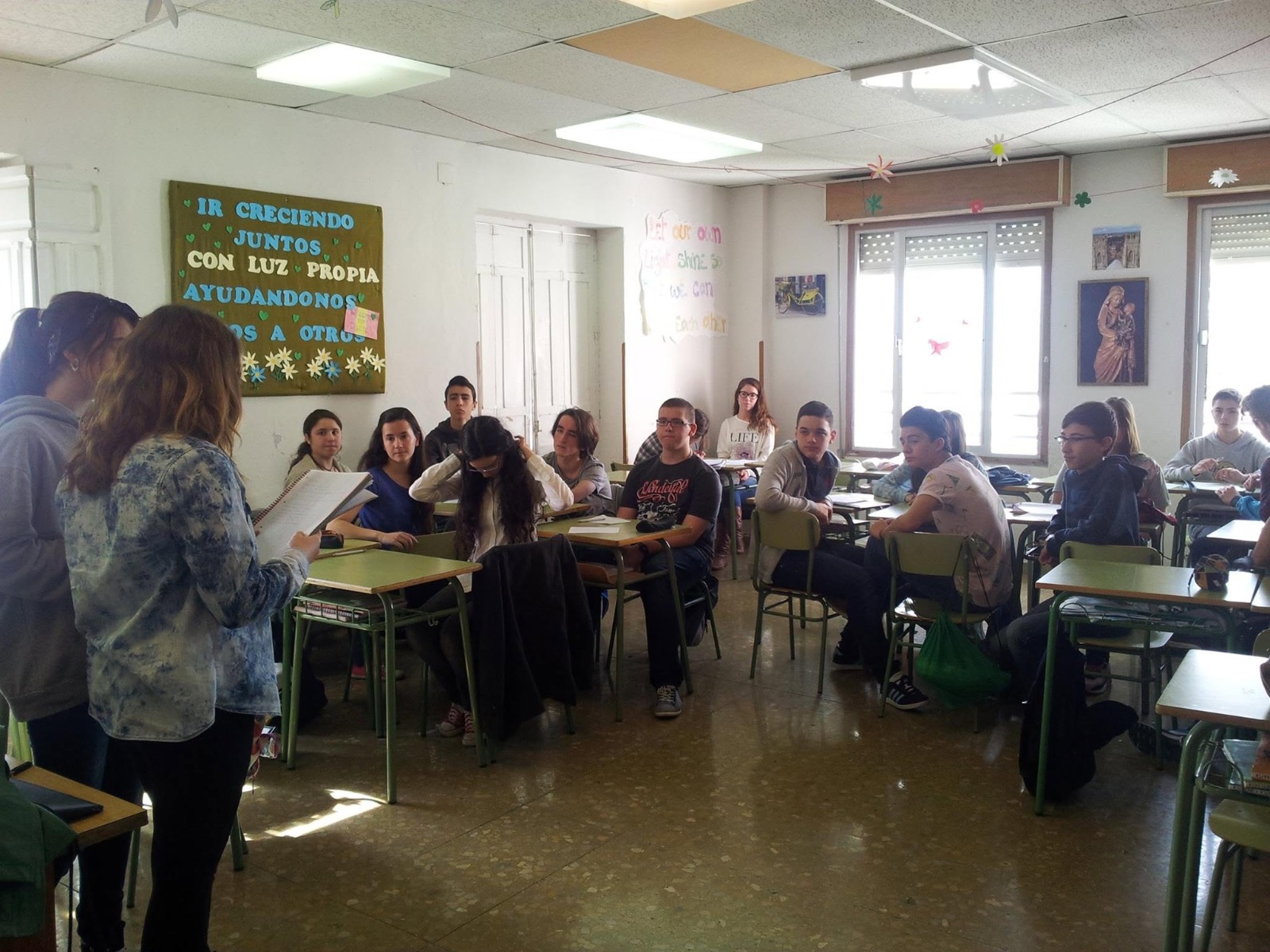
Jonathan Teuma: Proyecto Slam was developed and founded by the American teacher and architect Ethan Spooner in the city of Jaén, Spain. The project draws from educational psychologist C. S. Dweck’s Growth Mindset theory as well as cognitive neuroscientist Stanislas Dehaene’s Four Pillars of Learning and workshop practices from all over the US. It is unique in the world in that, rather than being made available to students as an extracurricular activity, it seeks to integrate itself in the students’ language and literature curriculum, thus reaching all students and not just those who have a prior interest or disposition for reading and literature.
While it is normally offered to the first four years of secondary school, this pilot program in Gibraltar is only running for year nines. The hope is, however, that it will take root and may be expanded in future years. The program involves the delivery of three in-class workshops per group followed by a small in-class poetry slam where each group selects a representative that will participate in a final Grand Slam, to be held at the Macintosh Hall on the 14th December. We will also be holding a couple of Teen Slams in the lead up to the final event. These Teen Slams will be open to all students whether they are participating the program or not.
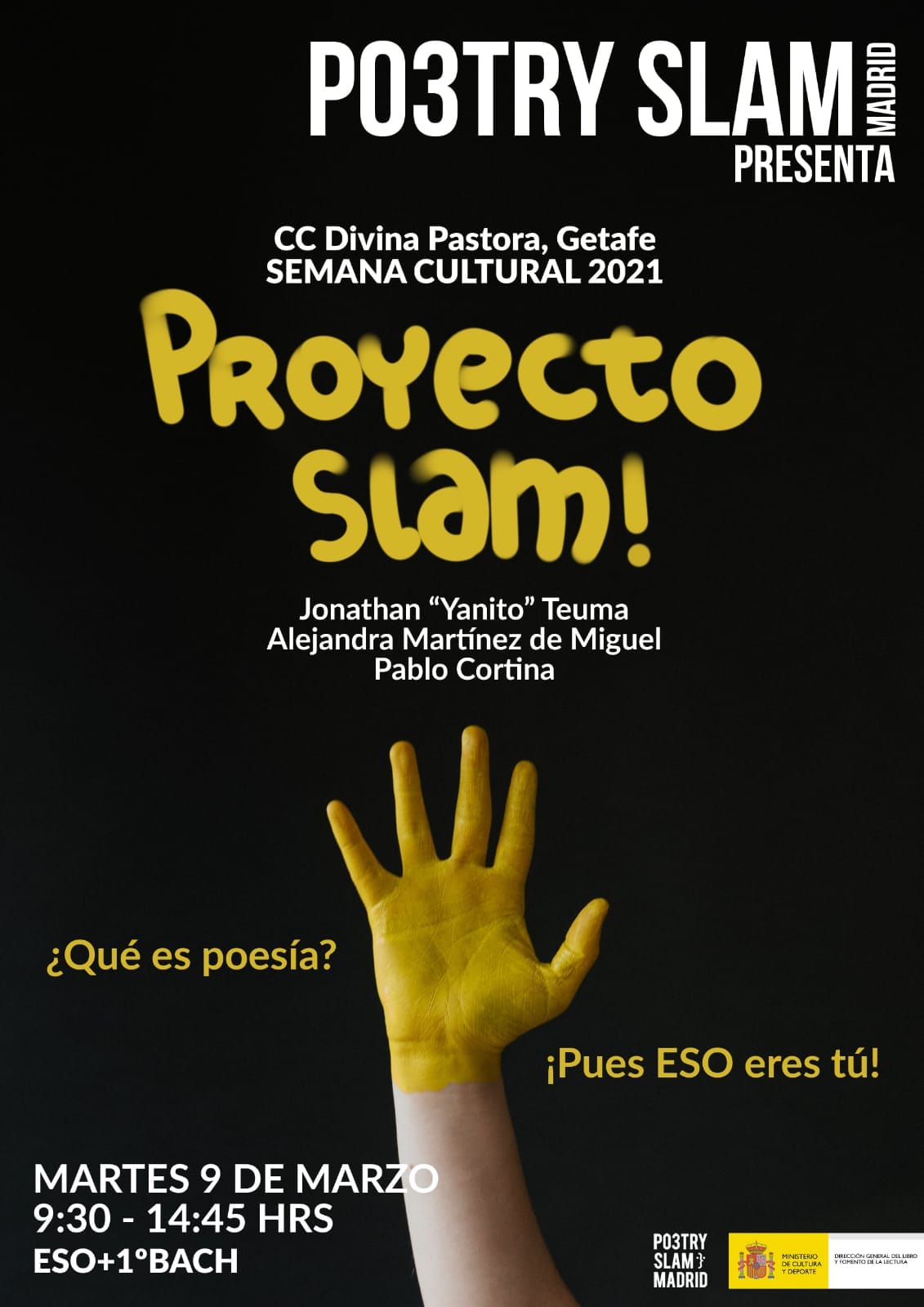
Poster for Proyecto Slam in Madrid:
YGTV: Why are you looking forward to working with year 9 students and what do you want them to achieve?
Jonathan Teuma: The objective of the program is not so much to train poets or performers, but rather to incentivise students to read more. Poetry in this sense acts as bait in a wider effort to improve and encourage literacy. We also hope to develop students’ critical thinking skills as participants work on and improve the texts they produce in the sessions and comment on their colleagues’ poems. The final aim of the program is to foster self-confidence in the ever terrifying (and necessary) art of public speaking.
I have wanted to bring this project to Gibraltar ever since I participated as a monitor in the program in Jaén, for the first time back in 2010. The buzz and enthusiasm that it generates not only among students, but also teachers and parents is truly intoxicating. And it’s a buzz around reading and listening to poetry. I believe that Proyecto Slam brings a whole new dimension and much added value to the language and literature class and hope that we can expand the project to other school years in the near future.
YGTV: Do you think reading and writing are under threat now? Can initiatives like this help get students back into literature?
Jonathan Teuma: Yes, unfortunately and yes too, fortunately. Both official studies and throngs of anecdotal evidence coming in from teachers all over the world indicate that the onslaught of social media on young minds is having a very detrimental effect on their attention spans and consequently their ability to read and cope with texts of any length. However, programs such as these aim to reverse this trend and there is mounting evidence that they do succeed where they are implemented. PS run in Jaén from 2011 until the pandemic and in this time grew from one to about eight participating schools, all of which reported improved grades during the time, particularly for lower ability students and children who initially had no interest in reading.
Official statistics in Spain also reveal poetry book sales improved significantly among young people between 2009 and 2019 and, while correlation does not necessarily imply causation, this coincides with the wider expansion of the poetry slam movement in Spain, going from just three to over 30 participating cities in just 10 years.
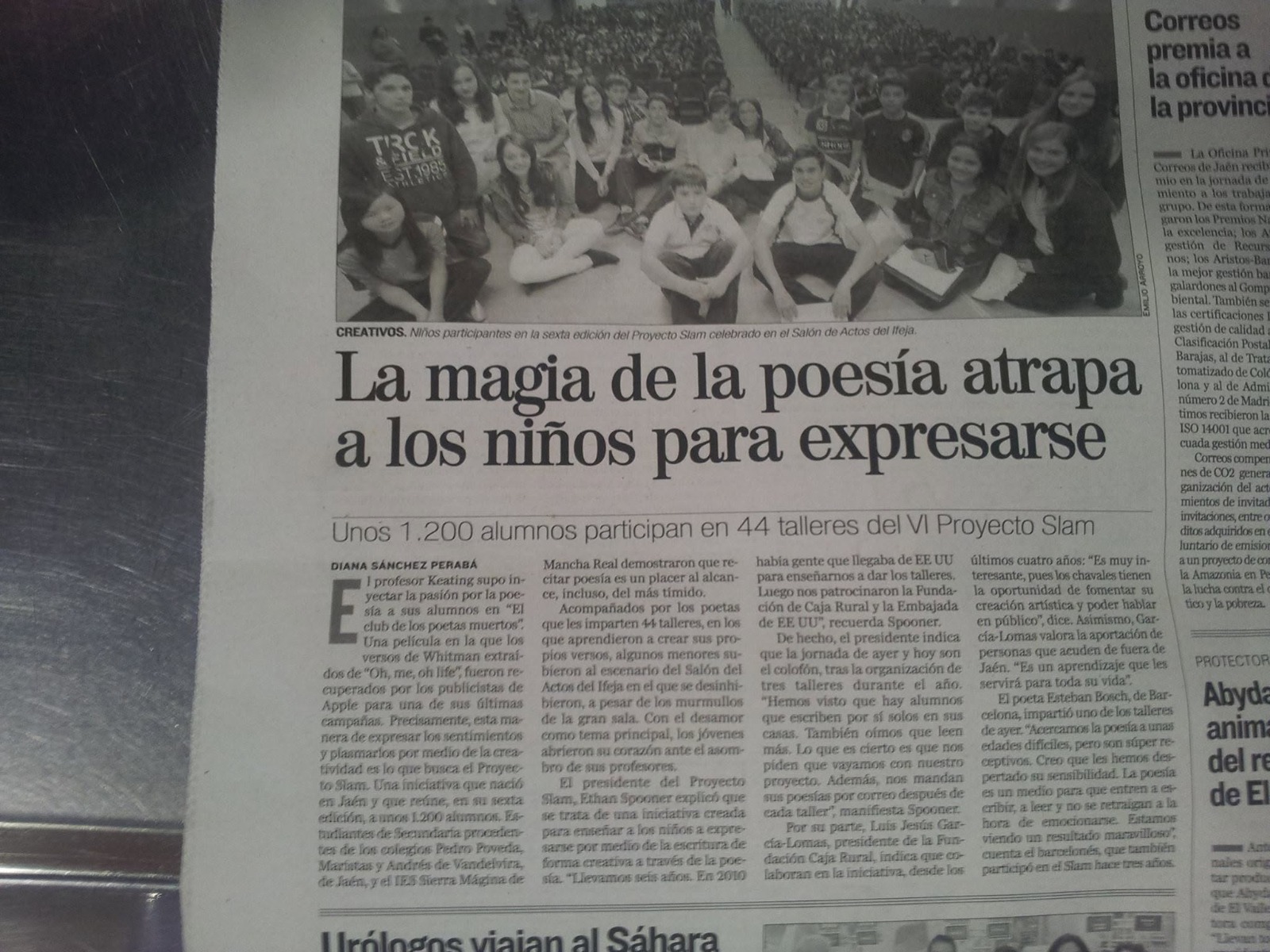
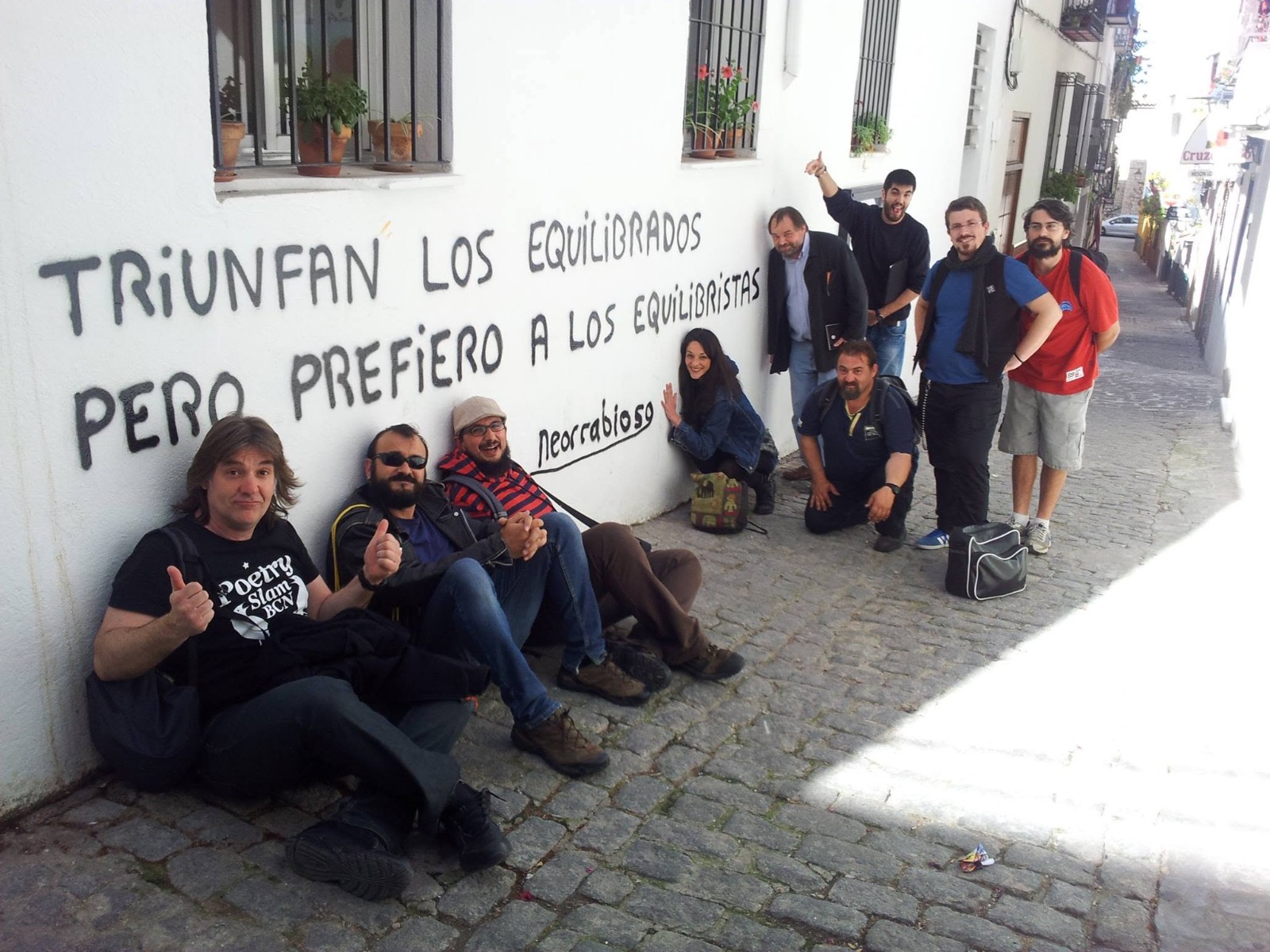
Jonathan at Proyecto Slam in Jaén (Circa 2012/13)
YGTV: How does a poetry programme like this improve the public speaking skills of participants?
Jonathan Teuma: While some workshops are geared more towards writing, others (as the program develops) focus on the delivery of poems and encourage students to experiment with the wide array of prosodic features one can employ when speaking. Regardless of what type of workshop is delivered, students are always expected to share their work with the rest of the class. The competitive edge that Poetry Slams have, where the audiences vote for their favourite poet also proves to be effective in encouraging participants to work on and improve their deliveries. This competitive element is not always present, so as not to discourage shyer students, but is there just enough (in the final slams, Grand Slam and Teen Slams) to have a positive effect.
YGTV: What will the grand final consist of?
Jonathan Teuma: The Grand Slam will see one representative from each participating class, present their poem(s) in a big Poetry Slam event at the Macintosh Hall in front of all their classmates, teachers and (space permitting) families. This is a fully interactive and immersive event where audience participation is a must as the final winner will be picked by the audience itself.
YGTV: What tips do you have for anyone wishing to take part?
Jonathan Teuma: Practice, practice and practice. Write, rewrite and rewrite some more. People often come to the arts with the false assumption that it is all about talent and, while I am not about to negate the existence of such a thing, it is hard work that truly forges the artist (or sportsperson, or whatever). Learn your poems if you have time and embrace failure as you would your most loved friend or relative, for failure is no doubt the best teacher one can have. As the great poet and poetry slammer Pablo Cortina once said, “The slam is not for those who want to win, but those who don’t mind losing.”
Preview image: by Trust "Tru" Katsande on Unsplash
Ethan Spooner: