


Women’s Writing Seminar and Recital
A seminar focusing on writing by women in Gibraltar took place yesterday evening at the John Mackintosh Hall. The seminar was followed by a recital of poems by women writers.
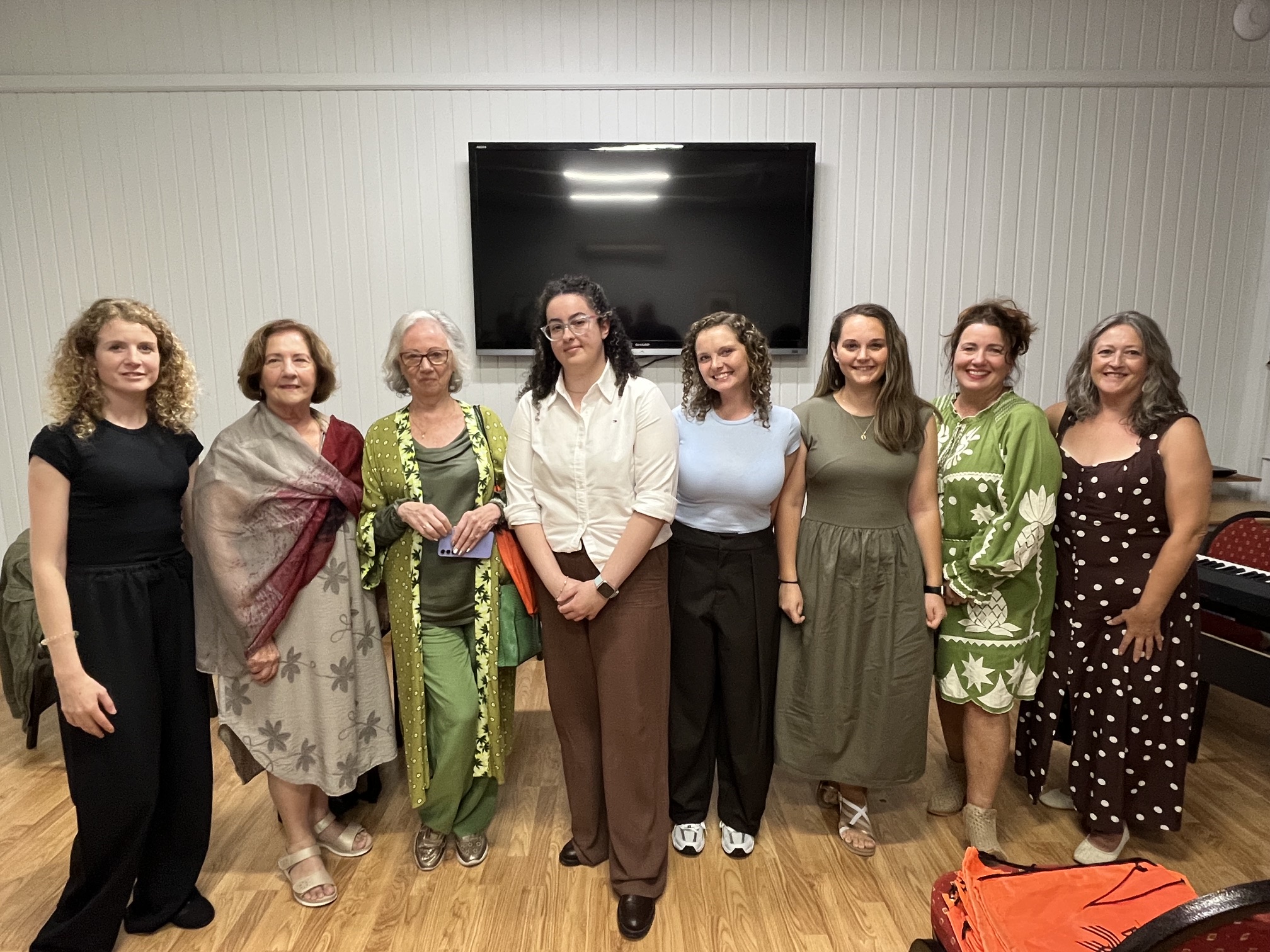
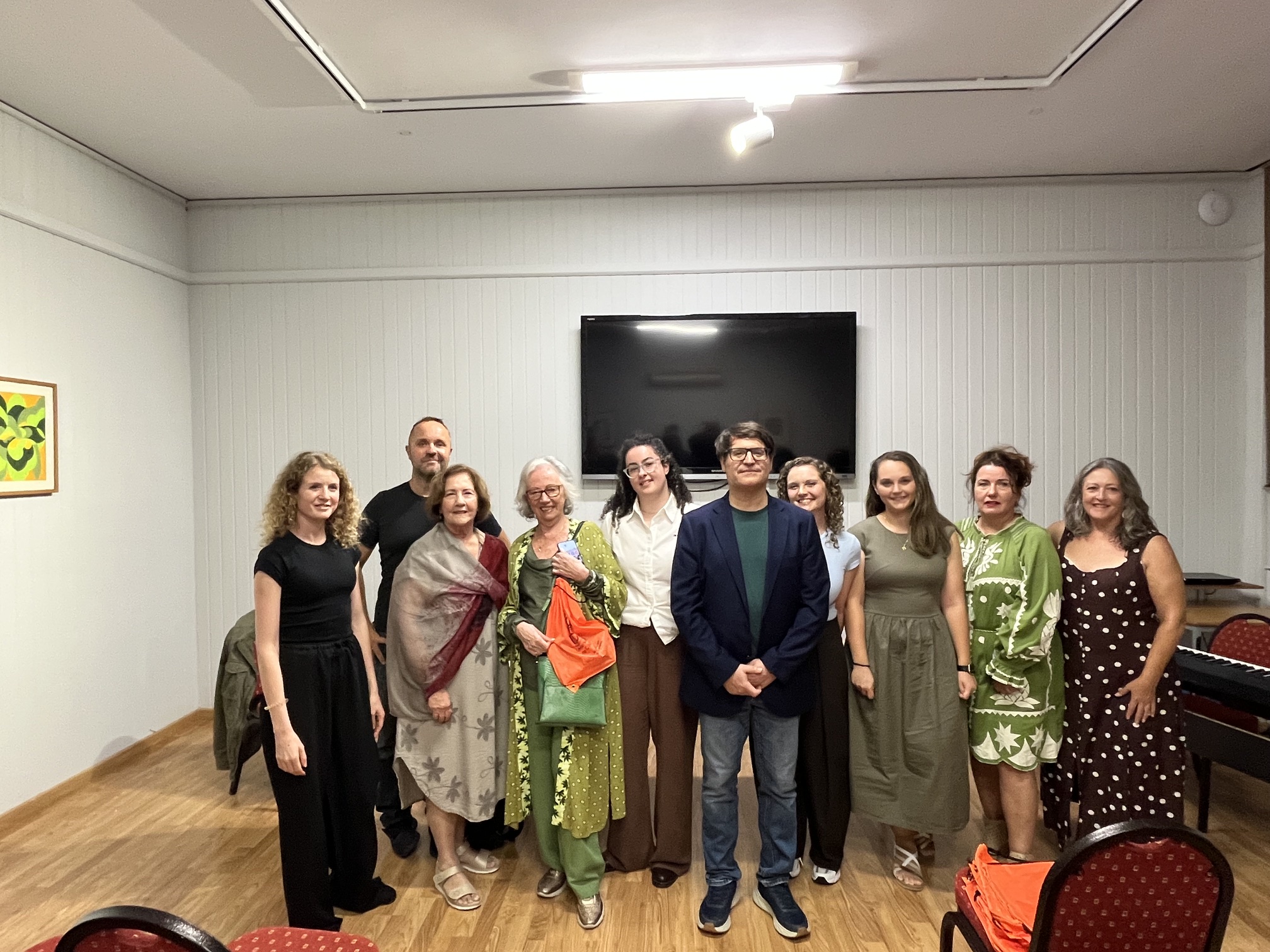
Local writers Amy Montegriffo, Jackie Anderson, Jackie Villa (absent but extract read by Jonathan Teuma), Marisa Salazar, Natalie Montegriffo, Sheridan Povedano, Sonia Golt and Tessa Rosado recited their poems and Rebecca Calderon sang two songs accompanied on the piano by Stéphane Dominicy.
Davina Barbara, Leyla Costa Gomez, Naomi Duarte and Sophie Macdonald also contributed to the questionnaire but were unable to attend the recital.
Professor Rafael Vélez Núñez from the University of Cádiz, who is leading the project together with Professor Castillo García from the University of Castilla La Mancha, presented the results of research carried out involving Gibraltar’s women writers.
He started by saying that the seminar was “not a typical academic event, but rather a meeting point between availability and visibility” which he said he hoped would help Gibraltarians to “know and value these talented women.”
He said that the answers provided by women writers showed that women’s literature in Gibraltar “is not a monolithic movement, but a dynamic mix of individual perspectives influenced by different backgrounds, genres, and generations.” He added that women’s writing often explored “domestic routines, family recipes and everyday phrases” with stories passed down by mothers and grandmothers “treated as vital sources of cultural heritage.”
The physical border, the Rock, the sea, and living in a tight-knit community were also said to “deeply shape” women writers’ “perception of place, privacy, and social dynamics.”
On a more critical note, he said that the writers canvassed shared “frustration regarding the lack of local publishers and formal literary networks” while placing “high value on peer support and mutual encouragement among female writers.”
The research also revealed differences among the writers including the extent to which they used or were influenced by Llanito, whether they viewed writing through a feminist lens, which genre they wrote in and the editing practices they adopted.
Professor Vélez said: “Although Gibraltarian women writers reject the idea of a unified literary canon in favour of independent voices, their work is collectively bound by shared engagements with border identity, multilingual code-switching, and the urgent preservation of domestic ‘herstory’ within a historically patriarchal landscape.”
He concluded: “The questionnaire responses from contemporary Gibraltarian women writers demonstrate that their literature cannot be reduced to a single style, genre, or political mandate. Instead, their collective significance lies in their willingness to articulate diverse, authentic experiences from a distinct geographic and cultural borderland. Through oral heritage, multilingual code-switching, and documenting "herstory" within both public and domestic spaces, these authors are establishing a important space within Gibraltarian letters.”
The event started with a brief overview of contemporary Gibraltarian writing delivered by the writer and Patuka Press editor Giordano Durante. Mr Durante discussed the most significant works published by local writers since 2019—a period that had seen what he described as an “explosion” in local books—and summarised the themes these local novels, poetry collections and plays explored and had in common.
He argued that many writers had examined or been inspired by ideas like identity, belonging, and home.
He added: “[Writers] have often set their stories in the recent-ish past to coincide with important events or stages like the evacuation of the 1940s, the closed frontier years of the 70s and the smuggling of the 80s and 90s. The writing of the last seven years has also been quite linguistically adventurous. Dialogue has been rendered in authentic Llanito, with the emergence of rival ways in which to transcribe what is a non-standard language or dialect.”
He said that there was a “distinct nostalgic strain” to a lot of local writing, inspired, he believes, by the rapid changes Gibraltar is undergoing.
Mr Durante ended with some speculations about how local writers could face what he termed the “multi-pronged challenge” posed by Artificial Intelligence.
The event was sponsored by GCS and Aula del Estrecho de la Universidad de Cádiz.
Pic from left to right: Tessa Rosado, Marisa Salazar, Sonia Golt, Sheridan Povedano, Natalie Montegriffo, Amy Montegriffo, Rebecca Calderon and Jackie Anderson. Second pic includes Giordano Durante and Professor Rafael Vélez Núñez.