
Heritage Project To Install Gibraltarian Street Names In A Celebration Of Multilingualism And Cultural Identity

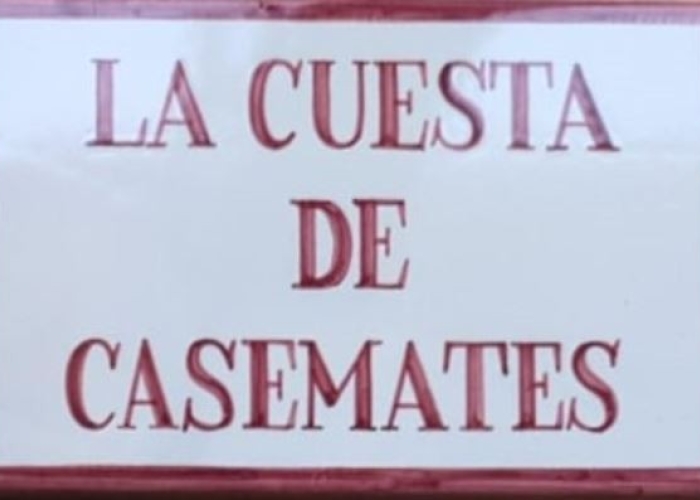
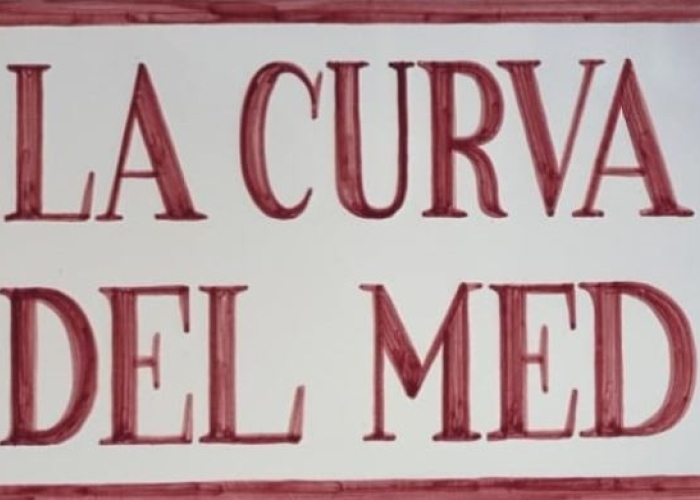
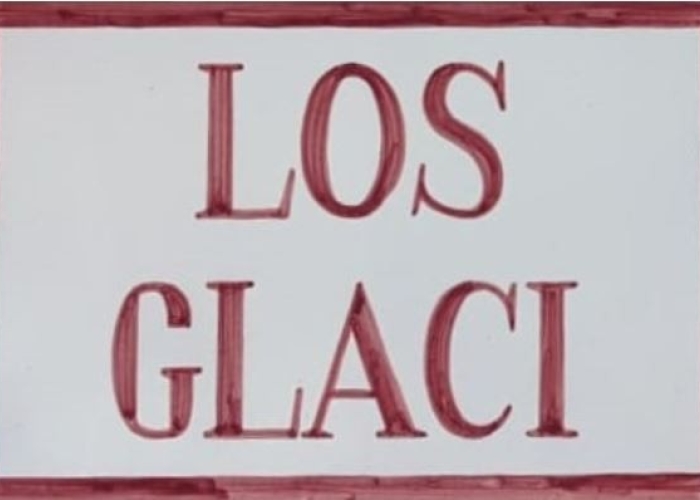
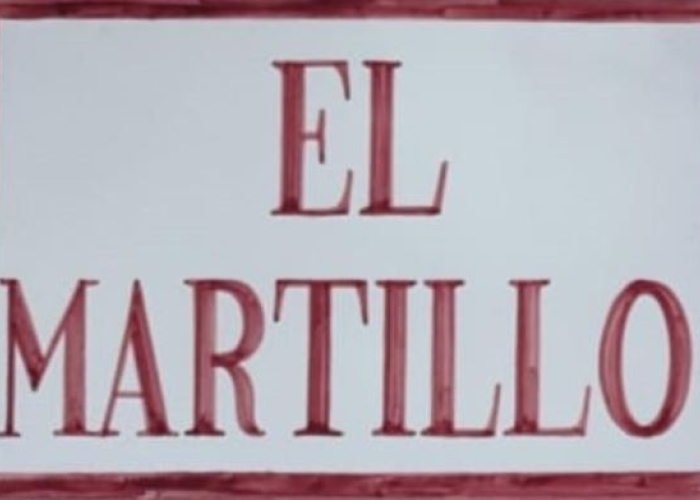
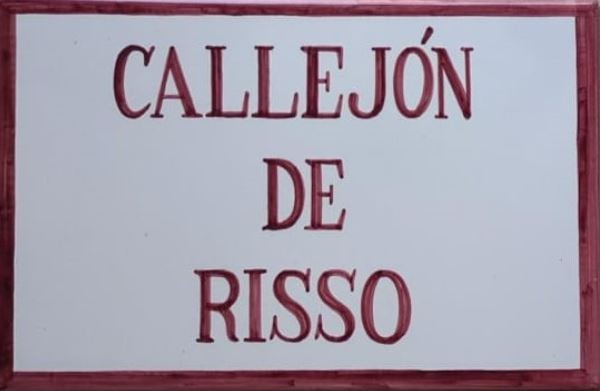
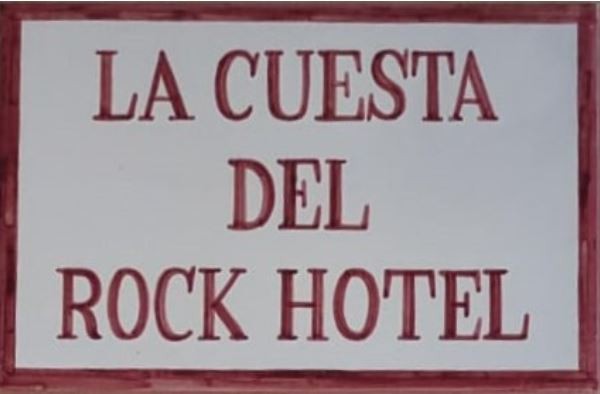
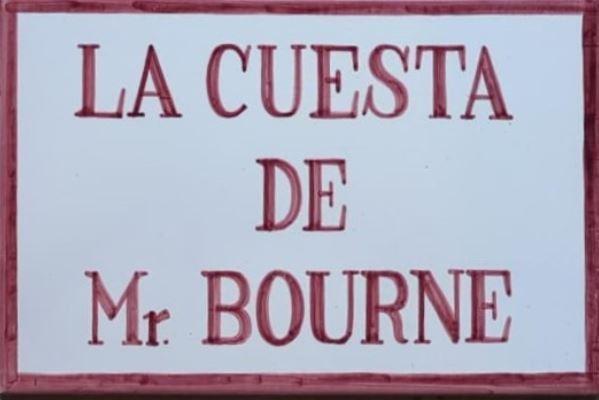
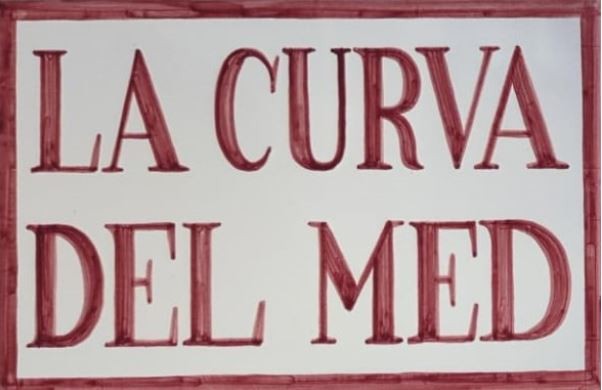
The Ministry for Heritage, in collaboration with Multilingual Gibraltar, has announced the installation of Gibraltarian street names across Gibraltar, as part of a larger project to preserve and promote multilingualism, heritage, culture, and identity.
A statement from the Government follows below:
The Ministry for Heritage, in collaboration with Multilingual Gibraltar is proud to announce the installation of Gibraltarian street names across Gibraltar, as part of a larger project to preserve and promote multilingualism, heritage, culture, and identity. This project seeks to revive street names that were once commonly used up to the 20th century, names that have gradually faded due to the decline of Spanish and Llanito speakers in Gibraltar.
Recovering Memory, Restoring Legacy
Through this initiative, we aim to recover the memory and legacy of our streets - those that our parents, grandparents, and ancestors once walked and named. By doing so, we honour their memory, respect our heritage, and celebrate the cultural fabric that defines Gibraltar. Our goal is to transition these street names from the intangible to the tangible, ensuring that future generations continue to recognize and appreciate this part of Gibraltar’s history.
Street names in Gibraltar became official in the 1870s when the first street signs in English were erected by the police. Before this, streets were often identified by their function or prominent landmarks. Even after official names were established, Gibraltarians continued to use traditional Spanish names, which were eventually recorded by Rodolfo Banduryin 1890 and Rev. Stewart Patterson in his 1884 publication in the scholarly journal Notes and Queries.
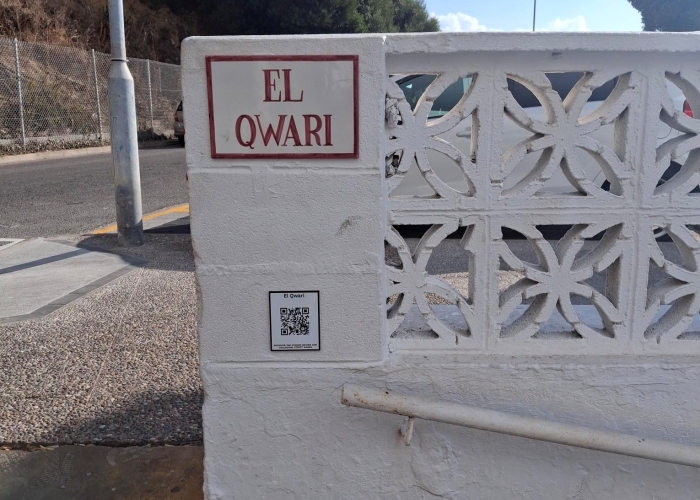
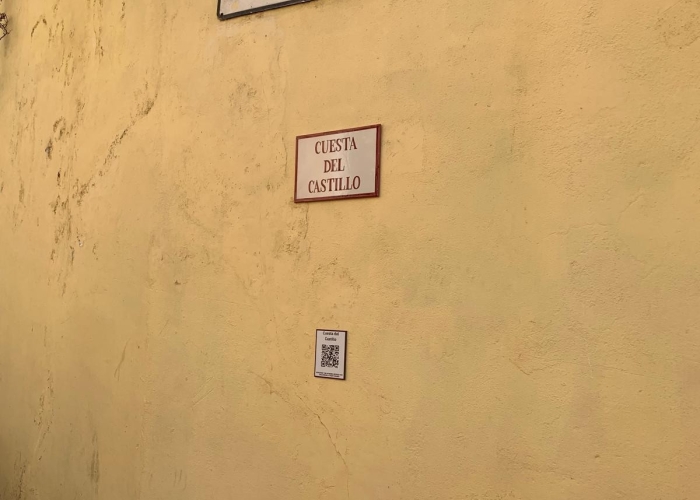
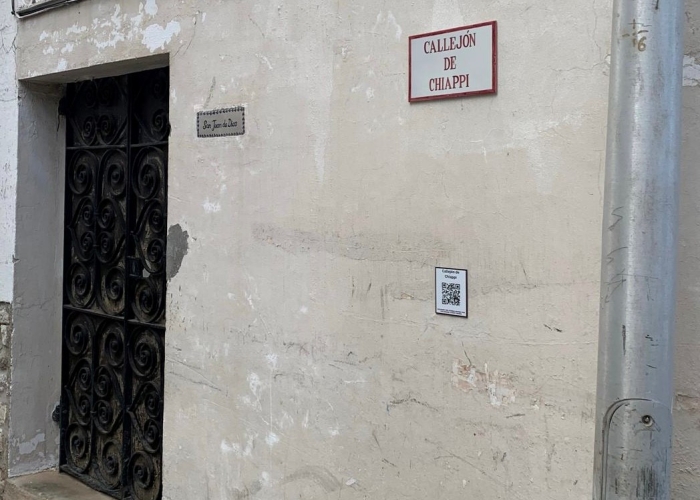
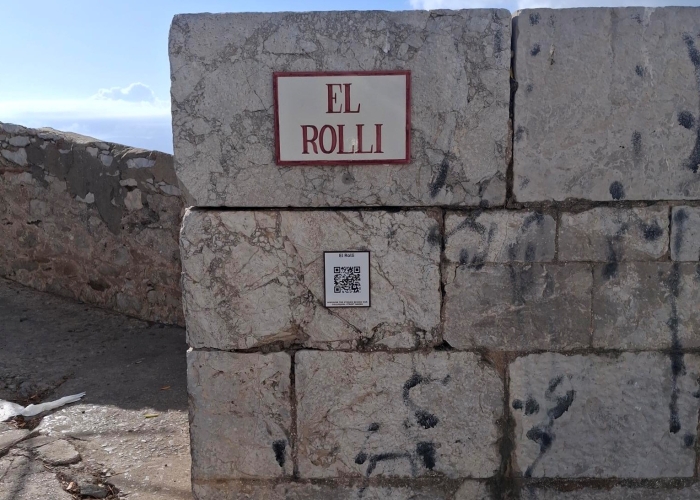
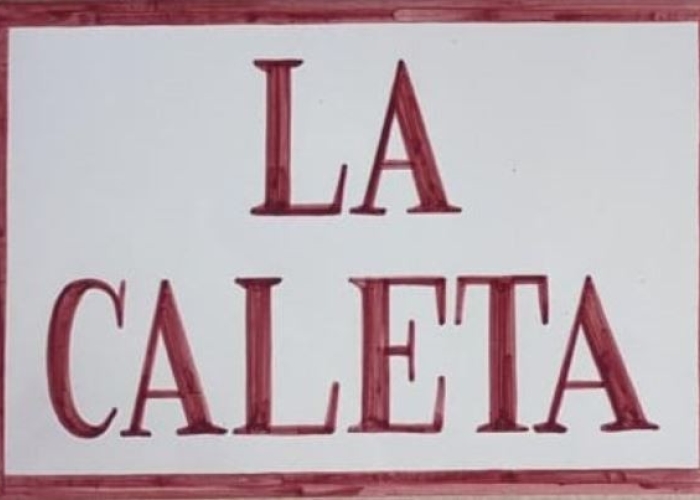
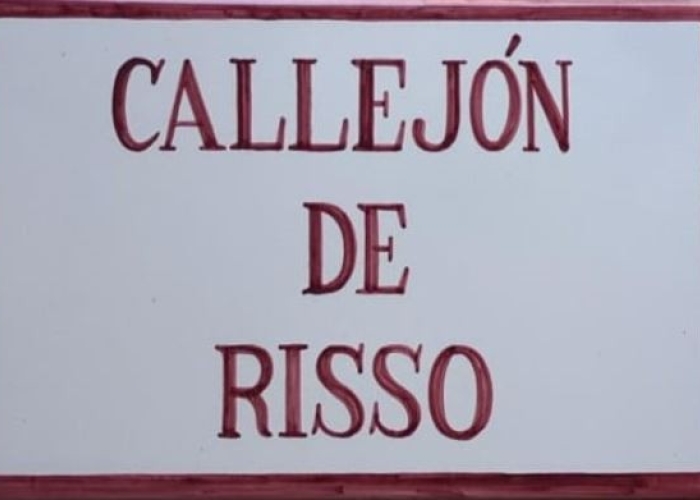
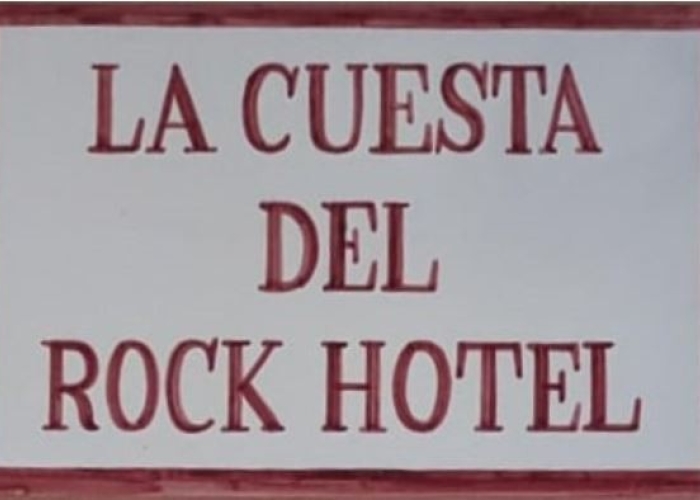
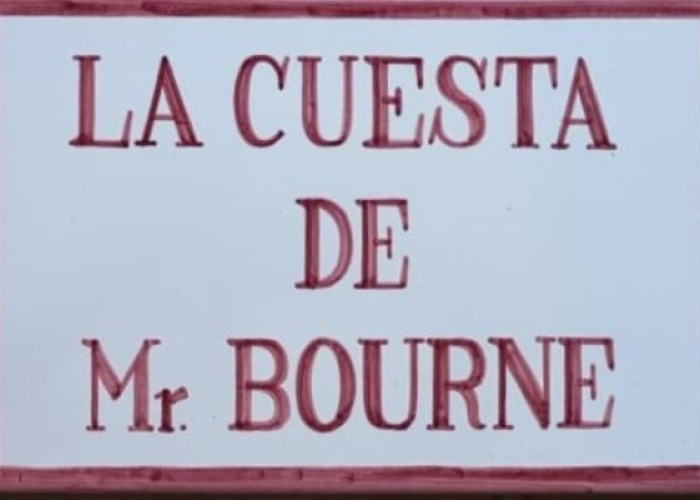
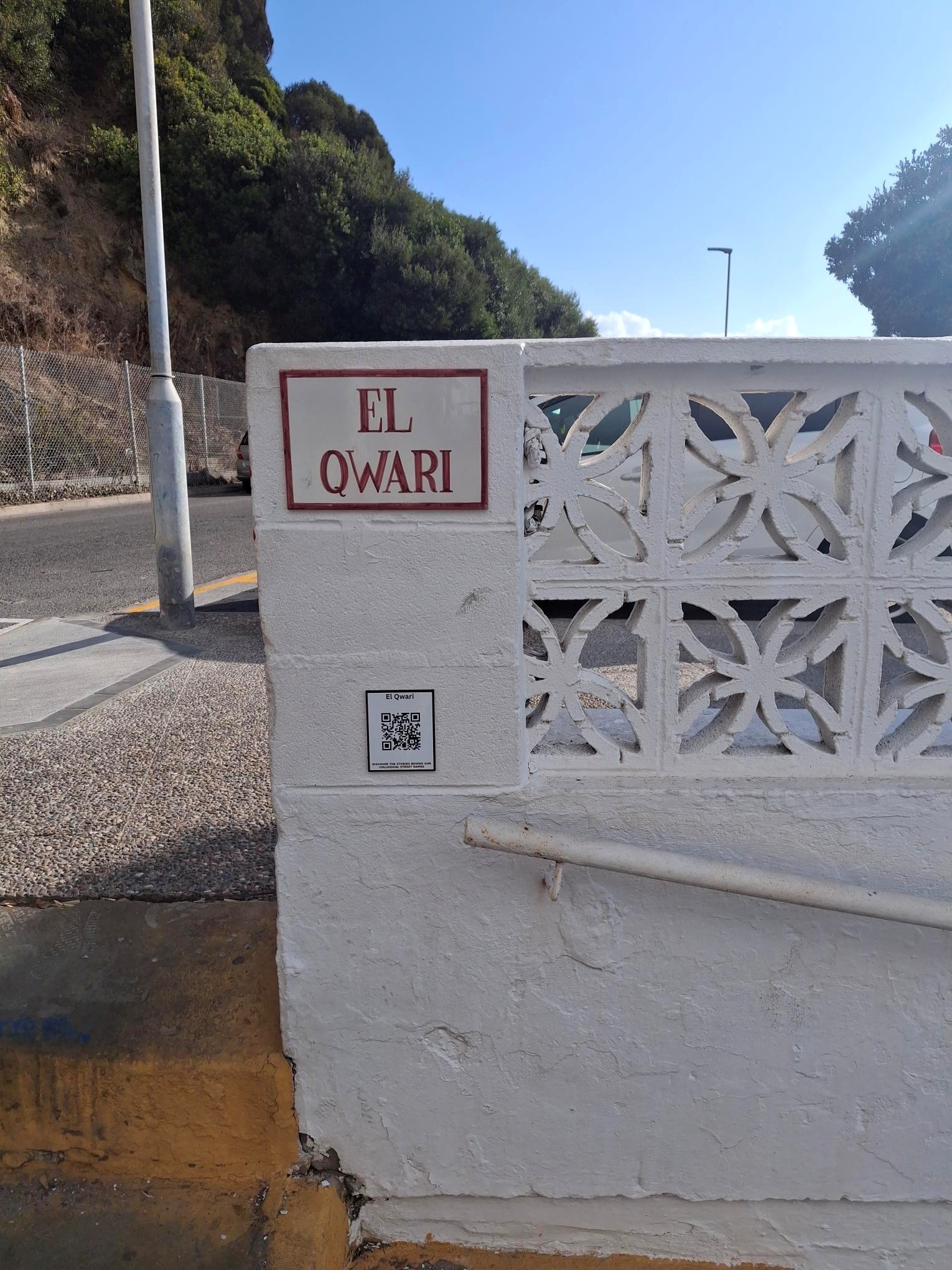
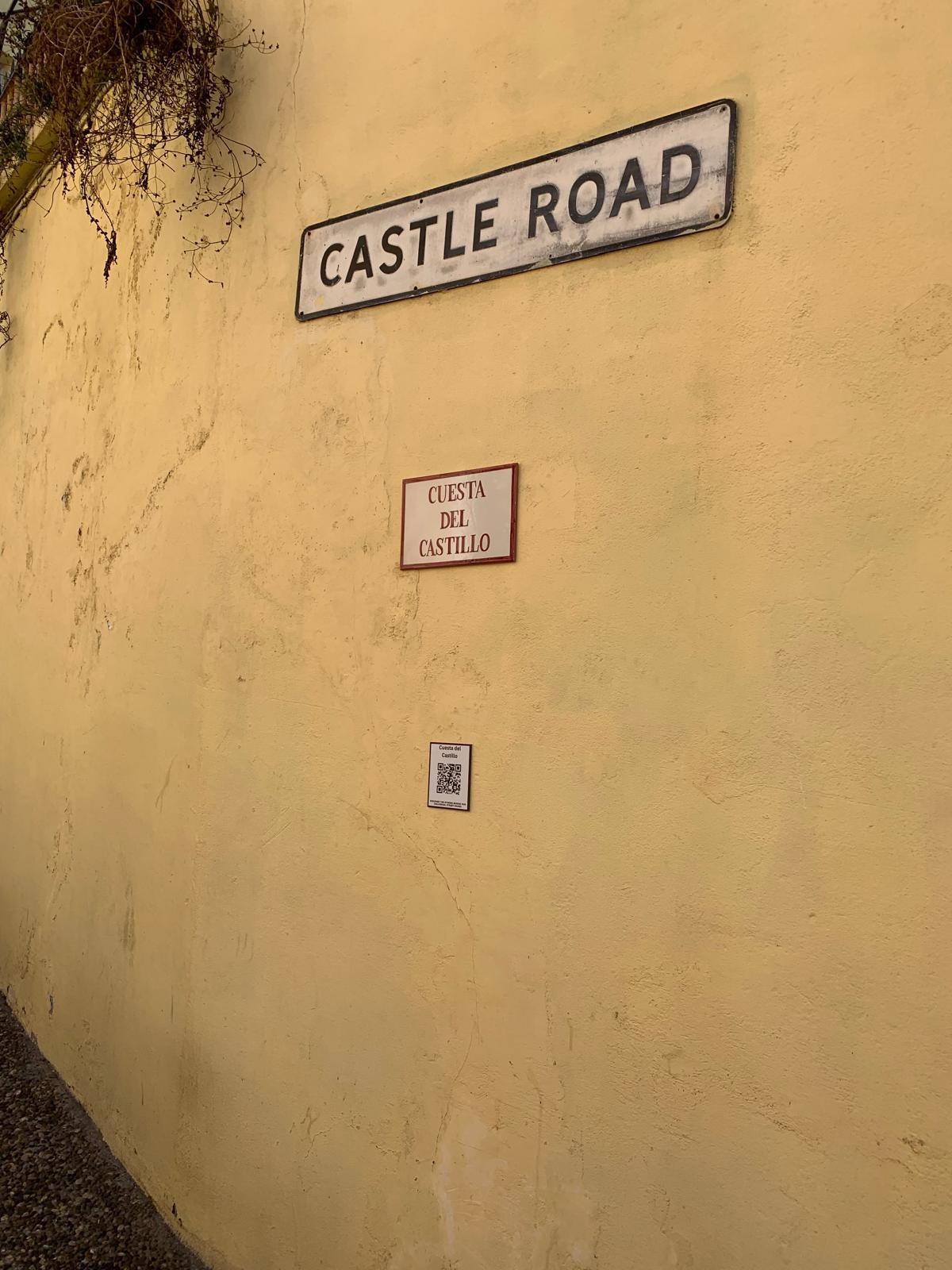
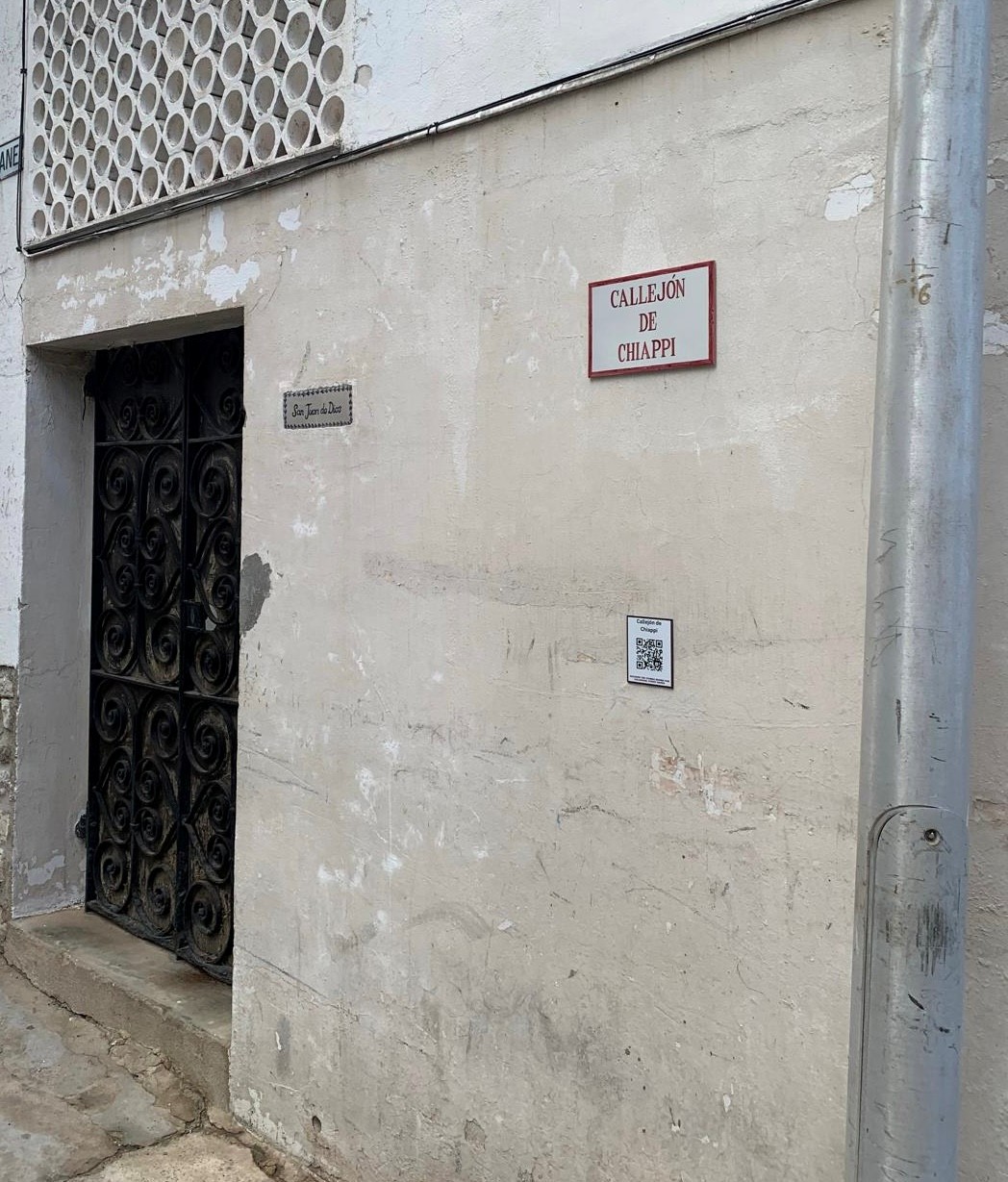
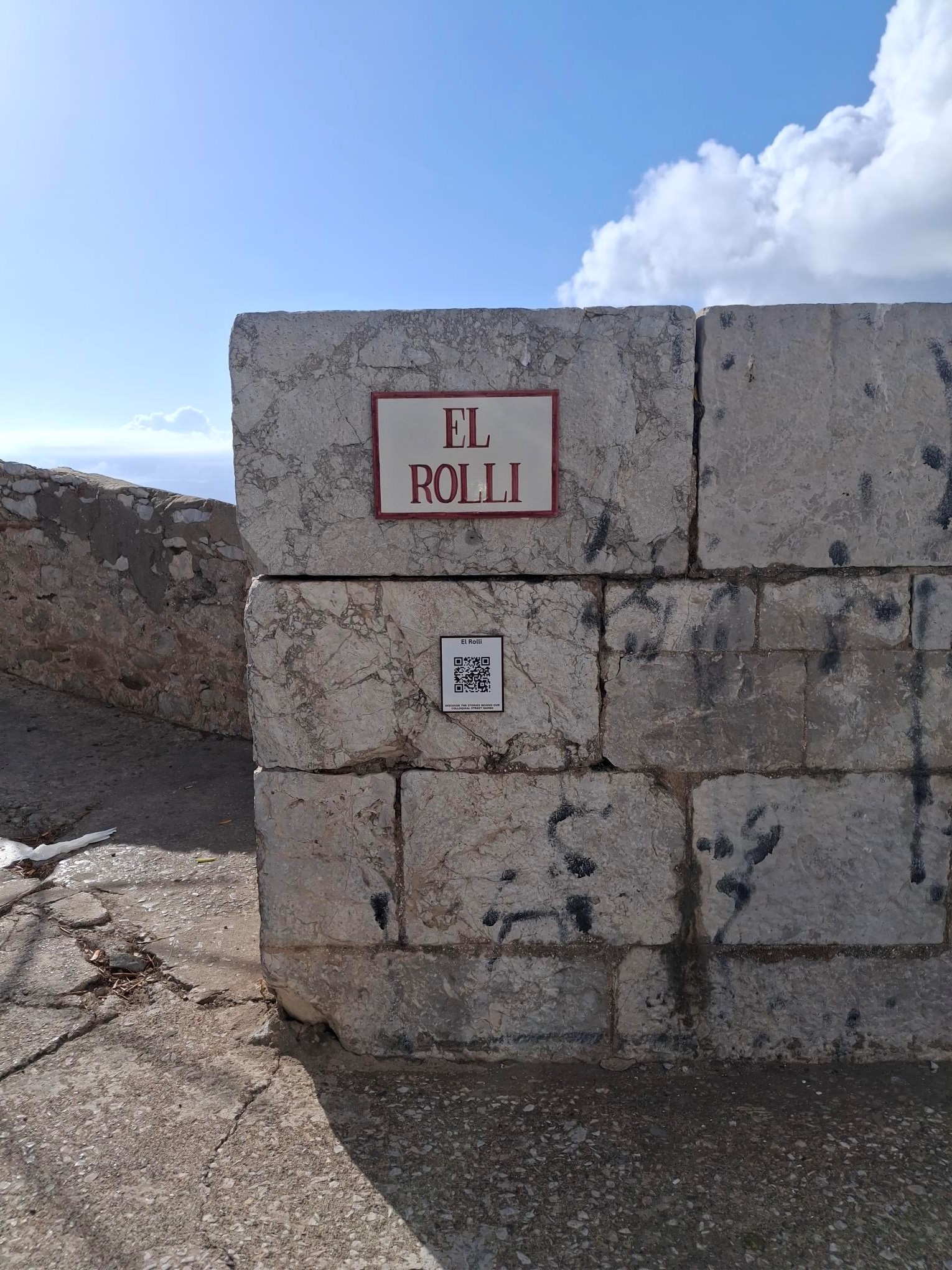
Over the years, local historians such as Dorothy Ellicott, Tito Benady, Manolo Galliano, and Tito Vallejo have expanded these records. Their invaluable contributions provide essential resources for recovering these names, many of which have now been selected for the new ceramic street signs. Each sign has a QR code that links to historical facts.
Community Involvement and Collaboration
In creating a definitive list, the Ministry for Heritage, in collaboration with Multilingual Gibraltar engaged with numerous stakeholders over the past year, including the Gibraltar National Archives, the University of Cambridge, and focus groups of Gibraltarians. Special thanks go to Manolo Galliano and Victor Hermida for their contributions through their book A Rocky Labyrinth. We are also deeply grateful to Justo Canales and his team from Ceramica Rosi in Talavera de la Reina, Toledo, for their exceptional craftsmanship and dedication in creating these ceramic signs.
Rationale Behind the Choice of Ceramic Signs
The decision to choose ceramics for the street signs was influenced by several factors. This project is fundamentally about promoting language, and we wanted to ensure the signs were distinct from official signage in terms of colour, style, and material—making them both durable and reversible.
After thorough research and consultation with linguistic experts, we determined that ceramics would best reflect Gibraltar’s unique identity while respecting its multicultural past. Ceramic signage is valued for its durability and aesthetic appeal, and its use is not exclusive to the Iberian Peninsula; it is embraced in various regions with rich cultural histories connected to Mediterranean influences.
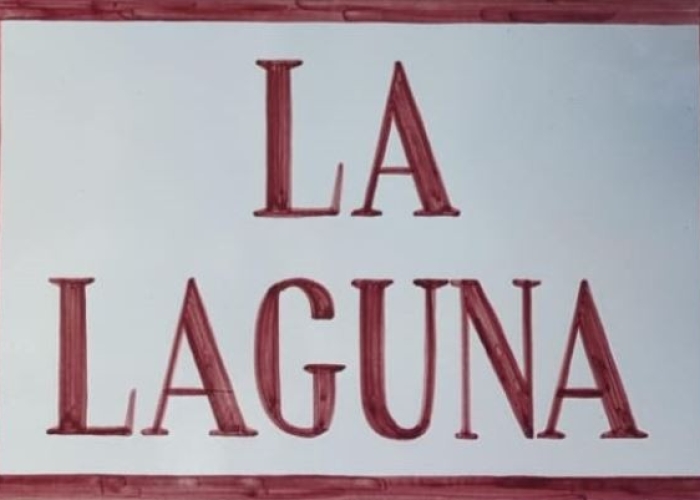
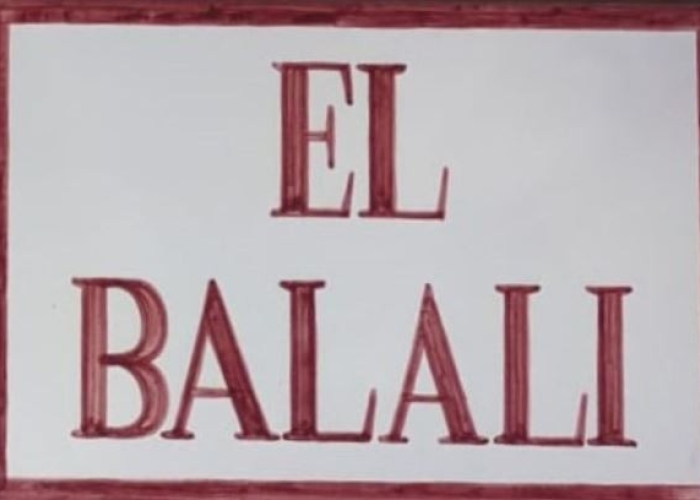
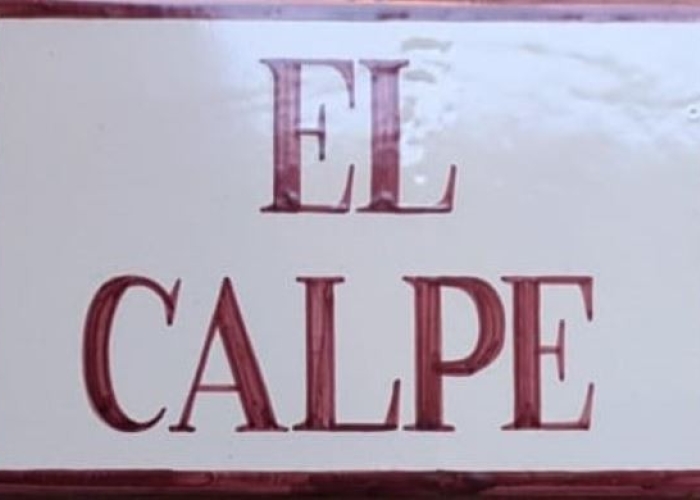
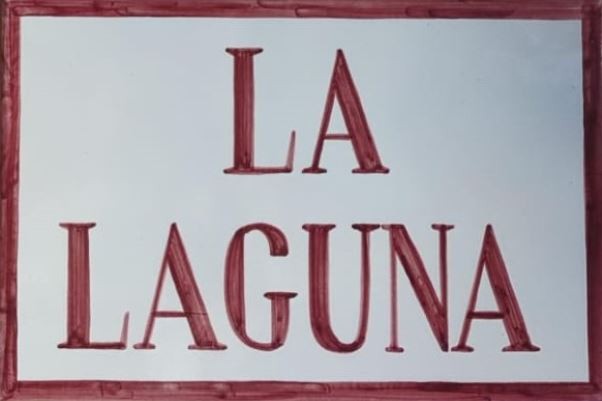
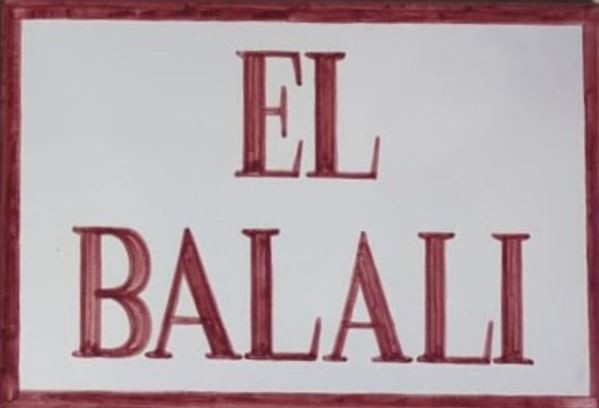
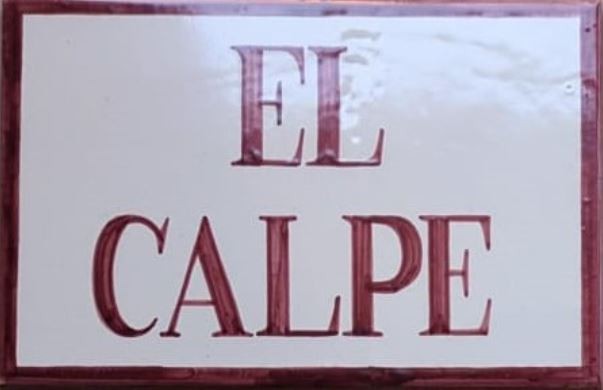
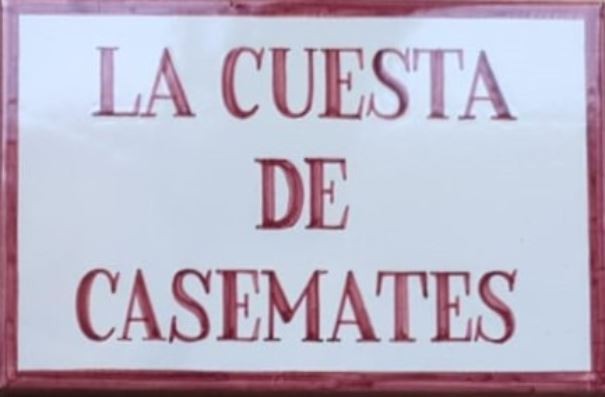
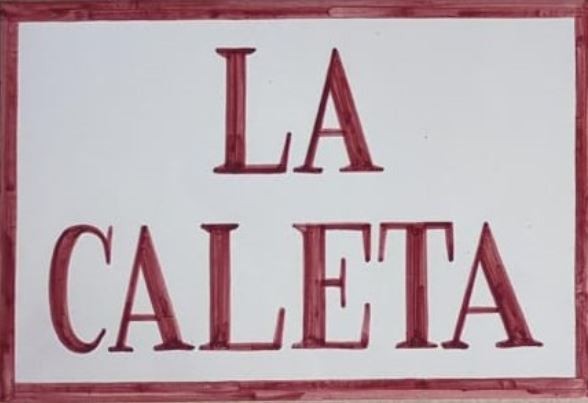
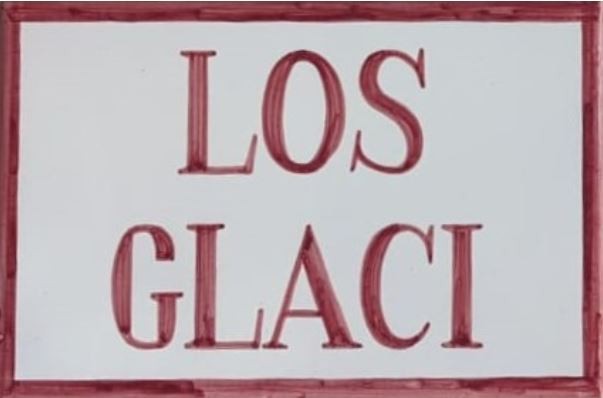
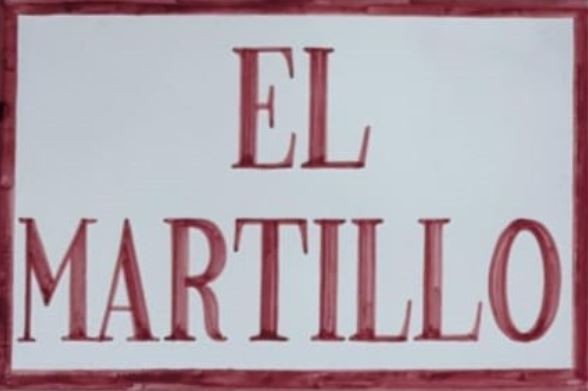
In Gibraltar, the ceramic street signs feature a red border and typography on a white background, enhancing readability while subtly referencing Gibraltarian aesthetics. This approach honours Gibraltar’s British and Mediterranean identities, balancing clarity with cultural references.
Furthermore, each Gibraltar street sign is crafted from a single tile, offering a uniform and streamlined appearance. This differs from traditional Iberian ceramic signs, which often consist of multiple smaller tiles arranged for intricate designs. Our choice reflects a thoughtful balance between heritage and modernity.
By choosing ceramics, Gibraltar aligns itself with regions worldwide that value heritage through this medium, such as Italy, southern France, New Orleans, and Latin America. These ceramic street names serve as a testament to Gibraltar’s multifaceted heritage, preserving a Mediterranean tradition while ensuring the signs remain readable, resilient, and culturally significant.
Sustainable Design and Flexibility
While these street names reflect a rich historical tradition, we recognize that names can evolve over time. We remain open to community feedback, acknowledging that different groups may recognize variations or alternative names. The project has been designed with reversibility in mind, ensuring that changes can be made if necessary.
Looking Ahead
This initiative is just one of the Government’s ongoing efforts to promote Gibraltarian heritage. We are committed to protecting and preserving Llanito, as outlined in the Government’s 2023 manifesto, by collaborating with academics, educators, and cultural groups to ensure the survival of Gibraltar’s unique language and cultural identity.
For further information on the history of these streets, please visit our website: https://www.ministryforheritage.gi/heritage-and-antiquities/category/street-names-75
The Minister for Heritage, Prof John Cortes, said: "The streets of Gibraltar have always carried the stories of our people, our culture, and our identity. This project not only revives the names we have lost but also reinforces the strong connection between our past and our future. Through the installation of these street names, we celebrate the linguistic and cultural diversity that makes Gibraltar truly unique. They include almost forgotten names and also well known names still in everyday use, in Spanish, such as “Calle Real” and “La Laguna”, in English, like “Glacis” and in Llanito, such as “El Qwari” and “El Rolli”. It is an excellent initiative, which will ensure that future generations continue to recognize and embrace the rich heritage of our streets."







Latest News
- Art Exhibition By Year 8 Students Explores Llanito
- Busy Training Period At The Airport Fire And Rescue Service
- Gibraltar Attends Commonwealth Foundation Board Of Governors Meeting In London
- Reopening Of Mediterranean Steps At The Gibraltar Nature Reserve
- Government Responds To GSD Over Residency Rules
- Local Man Convicted Of Domestic Abuse Offences
- What I’m Listening To…The Boys of Dungeon Lane by Paul McCartney
- Traffic Management Arrangements – Armed Forces Day Parade
- SSAFA Gibraltar Marks Armed Forces Week With Community Events
- Autumn Poetry Competition 2026