
Jun 28 - Minister Neil Costa's Budget Address - Full Text
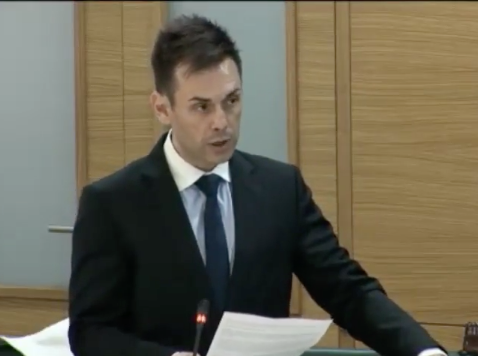 Mr Speaker, little did I suspect, when I first stood for election in September of 2007, that I would be serving my community and the good people of Gibraltar for, at least, three terms. As I reflect on my concept of time, which is solely that it flies, I stand proud to deliver my tenth Budget address as a Member of Parliament, and sixth, as a Government Minister. Today, Mr Speaker, I deliver my first Budget as Minister with responsibility for Health, Care and Justice.
Mr. Speaker, in line with many other western nations, it makes sense for Gibraltar to integrate Health and Social Care and during the course of my budget speech, I will provide details as to the synergies between both and the steps that we have already taken to align care in the health and care settings. Similarly, as Minister for Justice, I have been in a position to move quickly in the drawing up of legislation that relates to the care and the protection of our community, for instance, the Government’s legislative reforms in respect of the safeguarding and protection of children, more of which I will say later.
Mr. Speaker, before I continue, I will literally beg for your indulgence, as I had prepared a speech in the tradition in which I have heard all previous speeches in my 9 years in this House, which is without interruption and from a prepared script. Notwithstanding, Mr. Speaker, in the limited time available, I have sought to shorten my contribution in line with your direction before lunch. I will ask my teams not to think for one moment that I consider any of their work any less important by not mentioning any aspect during the course of my contribution.
HEALTH
Introduction
Mr Speaker, I turn, firstly, to my responsibilities as Minister for Health. Political observers, and, I think, the wider community, will have noted the ongoing reforms and the substantive changes at the GHA.
Primary Care
Our model of healthcare puts primary care at the forefront of health services and is well understood to be the gatekeeper to secondary care services. A strong Primary Care Centre will take excellent care of our community and keep many medical services within the primary care setting and away from our hospital.
In this last financial year, there has been an overall comprehensive review of all primary care services by the clinical and management teams. The findings of the review have resulted in the introduction of some creative and highly effective reforms creating better access to our GPs, better patient choice, enhancements to the existing services and a more streamlined service overall.
The GP complement currently stands at 23 General Practitioners divided into three area groups of between 6 and 8 practitioners. In order for the House to fully understand the work of our GPs, it is important to set out the daily context. The Primary Care Centre offers between nine and ten thousand appointments monthly, it receives approximately 55,000 calls monthly and, regrettably, on average, 450 patients do not attend their appointments each month. As a result, this last financial year has seen important changes to the distribution of appointments and, in particular, the availability of appointments to patients.
Clinics
The introduction of the “On-The-Day Clinics” has proved a very successful initiative, in particular, benefiting patients who need to be seen promptly by a General Practitioner and who cannot wait or plan far ahead. This new service consists of a full clinic, per clinic area, on a daily basis, which is automatically released daily at 8.15am. Patients who have been unable to make an appointment with their GP of choice can attend an on-the-day clinic with no pre-booked appointments. This represents a significant change in how appointments are offered and how much more responsive we are to patients’ needs.
In total, over 200 appointments are released on a daily basis for that same day, taking into account emergency clinics, emergency overflow appointments, ‘Critical ill’ appointments for urgent patients and the ‘On-The-Day’ system.
Repeat Prescription System
The repeat prescription system has been a hugely successful reform, which was launched on 6th February 2017. This service has a dedicated counter at the PCC Main Reception desk and allows patients to request a repeat of their regular medications without necessarily having to see a General Practitioner. The patient’s medical record is checked by their GP before the prescription is issued to ensure safety and the involvement of a clinician at all times. The number of prescriptions from the start of the service to 31st May 2017 is 1,659, which equates to freeing up an average of almost 400 appointments every month. This is a very clear illustration of how we have listened to the comments of patients and have responded promptly, providing better patient choice.
Sick Certificate Telephone Service
The Sick Certificate Telephone Service is a modern and creative solution to the problem of appointments being used for patients who are not in fact seeking medical care, but simply a certificate to allow them to stay at home and recover from a minor illness. On 6th March of this year, a dedicated telephone service was introduced where a phone call can now be made to request a sick certificate for up to a maximum of 2 days at a time, no more than once every 3 months. This service is operated by qualified nurses who are formally trained in telephone triage and any certificate issued is recorded in the patient’s clinical record.
This initiative is designed for those patients who have minor self-limiting illnesses who do not wish to be seen by a doctor but who need rest and self-care at home. This innovation also supports HMGoG’s public health message for keeping minor and infectious illnesses away from public places, such as the Primary Care Centre and the Accident and Emergency Department. To date, this service has become more and more useful with each month that passes; for example, in May 2017, 298 sick certificates were issued representing a saving of 298 GP and Nurse Practitioner appointments in one month alone.
Both of these new initiatives combined are now releasing more than 700 appointments every month. Based on the increase in use of these services since launch, we are fully expecting the number of patients using these services to rise. To put this in context Mr Speaker, this has completely mitigated for any loss of appointments due to non-attendance and more besides.
Further and crucially, these 2 reforms alone have released pressure on Accident and Emergency and have allowed GPs to spend more time with their patients, thereby improving the quality of the care provided.
Digitisation of Medical Notes
Improvements to primary care services are also occurring behind the scenes, with a project to scan and digitise all paper patient notes and upload the information to individual electronic records. This huge undertaking of over 60,000 sets of notes will eventually release up to 6 PCC clerks to attend to patients face-to-face and on the telephone. This will result in much improved customer service, making things easier for patients to navigate through a very busy Department. From a clinical governance and safety perspective, this also raises standards of care by ensuring that a patient’s full medical record is always available to their GP and any important past medical events can be easily viewed and accounted for.
GPs with Special Interests (GPSI)
The aim of this Government to repatriate services, more of which I will say later, also extends to bringing back services to primary care from secondary care, so that services can be developed that integrate closely with overall community care and so that whole teams of professionals can be involved from Allied Health Professionals to Pharmacists to Nursing Staff to GPs and more.
In line with the Government’s Strategic Plan for the Primary Care Centre, GPs are now being encouraged to develop special interest roles. Palliative Care, Dermatology, Cardiac Rehabilitation Clinical Supervisor, Women’s Health and Child Health, are among the special interests being developed.
One of the most successful of these GPs with special interest initiatives is that of the very popular Dr Ferrera of the Dermatology Clinic. In February of this year the demand for dermatology appointments was such that my Medical Director approved a significant increase in the time devoted by Dr Ferrera to Dermatology from 2 clinics a week to 5. Dr Ferrera will see between 15 and 18 patients per clinic session, equating to a total of over 80 dermatology clinic appointments a week for him alone. Dr Ferrera also works with a highly trained and professional nursing team who have specialist training in their own right. These skilled nurses undertake an enormous variety of skin treatments, including, dermoscopy to check moles, minor operations, patient reviews after treatment and chronic skin disease management.
Perhaps the jewel in the crown of this service is that the team also work with a visiting Consultant Dermatologist who comes every 2 months from the UK for 2 to 3 days at a time and who provides specialist advice for patients, support and training for our team.
I am sure Mr Speaker, that we can all appreciate that living in a high sun exposure area means that dermatology is a vital service for the health of our community. It is my belief that a service such as this portrays the best of primary care; that of medical treatment, health promotion and health surveillance in a familiar but professional setting.
Capitalising on the enormous success of the Dermatology GP Specialist Interest initiative, on 16th March 2017 we introduced a GP with special interest in Musculoskeletal Medicine to speed up the management of medical problems that can often lead to patients missing work and losing mobility and independence. Dr Elaine Flores is currently working at St Bernard’s Hospital to help us reduce waiting times for patients waiting to be seen in an Orthopaedic clinic.
Mr Speaker, it is fair to say that the success of this reform has taken us all, pleasantly, by surprise. In less than 2 months, Dr Flores has been able to reduce orthopaedic waiting times by 5 months. By mid-May she had seen 179 patients in total, (new and review patients), and between 15 and 20 new patients are seen every week with a clinic commitment of 5 clinics a week.
It is envisioned that the service will eventually be transferred to the Primary Care Centre and all patients referred to Orthopaedics by a GP will be seen and examined by the specialist GP first. Minorpractical procedures can be carried out in a short timespan and patients needing consultant opinion and surgery can be streamlined into the hospital in a way that really demonstrates how fortunate we are to have integrated medical services working closely together for the best outcome for our patients.
IN SUMMARY
Mr Speaker, it is my view that a strong primary care service will guide and elevate all aspects of health care to our community. I have a team of primary care clinicians, managers and administrative staff of whom I am immensely proud. Day to day and without fail they deliver high quality professional care to every member of our community from the youngest to the oldest and while doing this they still manage to suggest and implement improvements in care to better serve us all. I am humbled by their dedication and honoured to lead them. Whereas it is impossible to name all of our dedicated staff, I wish to thank the leadership of our Deputy Medical Director and lead GP Krish Rawal and our PCC Manager, Rose Suissa. They truly represent the best in all of us, are patient and compassionate and are forever considering ways to improve the service.
Secondary Care
In respect of secondary care, Mr Speaker, I cannot overstate the impact of placing clinicians at the forefront of managing services. This strong leadership by practising clinicians and a key focus on repatriating services back to Gibraltar, is already paying enormous dividends in terms of patient care and the streamlining of resources. I will begin with the improvements in clinical services and then I will discuss the managerial and logistic changes that have made these reforms possible. I begin with the Accident & Emergency Department.
Accident & Emergency Department
The steadfast commitment of Her Majesty’s Government of Gibraltar to improve the quality and the delivery of healthcare continues with a firm focus on supporting and strengthening the emergency services. I was proud to announce the first step in a series of reforms in the Accident & Emergency Department, which saw the deployment of two additional A&E Charge Nurses. These deployments have ensured that a highly skilled senior member of the nursing staff leads and manages the A&E team in every shift. The Charge Nurse role is crucial, as they are the front line management on the “shop floor”. They are responsible for organising and supporting the whole clinical team on each shift and ensure that all A&E patients receive high-quality, safe, compassionate and timely clinical care.
Further still, Mr Speaker, the GHA will employ a Consultant in A&E to provide clinical leadership and a senior presence in the Department and lead in the development of clinical services. The advert for this post was published on 13th May 2017 and applicants’ interviews will take place on 10th July 2017. For such an important element in the medical care of our community, this senior role will further reinforce my drive to have the subject matter experts, namely my clinicians, delivering, guiding and progressing care.
Surgical Services
The Day Surgical Unit represents one of the biggest and most gratifying successes of the past financial year for which fulsome credit must be given to my illustrious and honourable predecessor, Dr John Cortes, who brought back the heart and compassion to the GHA. I must also place on the record my gratitude to Sandie Gracia, our Nursing Director, who was also a driving force in this successful project.
The Unit continues to expand its services by undertaking further procedures, including, additional cardiac procedures, urology surgical lists, dermatology sessions, as well as general surgery and maxillofacial general anaesthetic lists within its own theatre suite.
The House may recall that the Day Surgery Unit continues to undertake over 90% of all elective surgery, with even more surgical procedures now being performed using keyhole techniques that allow for patients to heal sooner and return to the comfort of their own homes, with the assurance of a quality aftercare service provided by the Day Surgery Team. From 1st January 2017 to the end of May 2017, a total of 1126 day surgical procedures have been carried out, compared to 1095 procedures for the same period in 2016.
Mr Speaker, I am equally delighted to reiterate that there have been no cancellations of surgical operations due to lack of beds since 10th January 2017. In the same period, there has been a notable improvement in performance figures for surgery at St Bernard’s Hospital. In the first four months of 2017, the GHA carried out 161 major surgical procedures requiring inpatient stay: nearly double the number performed in the same period in 2016. If the current trend continues, the GHA will conduct almost double the number of major surgeries in 2017 compared to 2016.
As a result, waiting lists for all surgical procedures have been significantly reduced. For example, a patient requiring planned surgery under the care of the general surgeons will now be offered a surgery date approximately 4 to 6 weeks later, as a matter of routine.
The very welcome increase in the number of major operations carried out, is thanks to the increased availability of beds at the Dudley Toomey Ward, enabling it to cater for an increased number of surgical patients.
Kidney Dialysis
Mr Speaker, it really does give me great pleasure to announce, that GHA has recruited a full time Renal Specialist Consultant. Dr Simon Lines starts work on 10th July 2017. While he will need time to settle in to his new role, he already has the active engagement of the invaluable and very active Gibraltar Dialysis Association to help him develop a service of the highest standards. This represents a quantum leap in the treatment of 26 of our most unwell patients who have the security of a professional service provided by dedicated and experienced practitioners.
Ayling-Buttigieg Chemotherapy Day Unit
Mr Speaker, the House will recall that in September of last year, the Hon the Chief Minister and my Honourable predecessor, opened the new ‘Ayling-Buttigieg’ Chemotherapy Day Unit, which focuses on the treatment of solid tumours. The Unit includes five chemotherapy stations and is open three days a week.
The management and administration of chemotherapy to cancer patients who are often very unwell and possibly not fit to travel must surely represent one of the fundamental reasons why we would wish to repatriate services and treat our patients ourselves, with our own teams and with the support and backup of all the clinical services our health authority can offer. The Unit is already making a massive positive difference to the lives of many patients, and, just as importantly, their families. This Unit is a perfect illustration of how a local multidisciplinary service can provide gold standard care.
Critical Care Unit
Mr Speaker, the Critical Care Unit is also going from strength to strength, with the number of fully trained staff having risen under a GSLP/Liberal Government. In May 2011 there were 28 Registered Nurses, comprising 2 Charge Nurses and 24 Staff Nurses, plus 2 Enrolled Nurses. Today, there are 30 Registered Nurses, comprising 3 Charge Nurses (in other words, one more charge nurse than under the previous administration) and 27 staff nurses (in other words, 3 more staff nurses) and 1 Nursing Assistant. Every member of the Unit’s nursing staff is fully trained, qualified and experienced to work in the high pressured environment of intensive care taking care of our most unwell patients.
Not only are the nursing staff fully trained, but many are volunteering for more specialist training to enhance patient care in-house. In this respect, 4 nurses are due to attend UK based training in Haemofiltration, which is a highly specialised and crucial service.
To strengthen and work with our excellent critical care nursing teams, on 6th May 2017, the GHA advertised for 5 new anaesthetists and interviews took place on 14th June 2017. This recruitment will establish an additional tier of anaesthetic doctors. Overall, a team of senior consultants, junior intensivists and an impressive nursing team will further improve the quality of care in the CCU. Additionally, the new tier of anaesthetists will increase resilience, as two anaesthetists will always be available out of hours to attend to simultaneous emergencies and emergency surgery.
The elevation in the critical care teams has been enhanced by the raising of clinical care standards. The implementation of the National Early Warning System (NEWS) programme has replaced the Modified Early Warning System (MEWS). The NEWS is a gold standard, evidence based, clinical assessment tool to monitor patients using observations such as pulse rate, blood pressure and respiratory rate. As these measures change, clinical staff are able to monitor improvement and deterioration in a patient’s condition, leading to safer and more timely and effective medical and nursing interventions of acutely ill patients. The NEWS system is now in effect across the whole of the GHA, including, the nursing clinics in the Primary Care Centre and demonstrates how we are embracing the highest standards of evidence based clinical care.
Matrons
As the House may recall, the Gibraltar Health Authority has advertised and is in the process of recruiting two matrons at St Bernard’s Hospital. Following advice from our clinicians, the position of matron is being brought back in Gibraltar to further improve the patient experience and coordinate the changes in systems for enhanced and safe high-quality health care, in conjunction with the Nurse Management Team. Our health professionals will also benefit, as matrons will provide encouragement and motivation to members of the nursing team and support staff. Further, not only will the matron be an asset across a whole range of multidisciplinary clinical areas, but will also provide a source of information and choice for patients, together with a reassuring physical presence that can make a positive difference when a person is recovering from illness. Matrons will also contribute to patient management, ensuring measures to reduce length of stay and facilitate early discharge.
Mr Speaker, may I, with your leave, take a moment to pause and to reflect on the fact that we are blessed in Gibraltar to enjoy the benefit of the Clinical Nurse Managers, so very ably led by the Director of Nursing Services, Sandie Gracia and who truly are of the most passionate, committed, dedicated, professional and compassionate individuals I have had the pleasure to work with and are an asset to the GHA. I meet with them often, Mr Speaker, and it is always a pleasure to learn from them and to work with them in improving the delivery of health care to our community.
Midwives Prescribing
In 2014, this Government brought in new regulations to enable qualified and registered midwives to prescribe and use certain prescription medicines without necessarily calling upon a doctor. This list of 23 medicines was based on best practice from the UK and had the support of local doctors and midwives.
Mr Speaker, this year we expanded this list to add another 6 medicines. The additions include essential antibiotics to protect the health of the mother and baby. By enabling midwives to use important medicinal products in this way, often in urgent circumstances without having to send for a doctor, this initiative will improve patient care, increase efficiency and reduce unnecessary waste of professional time. The entire process is totally safe and is welcomed wholeheartedly by healthcare professionals. Mr Speaker, this may well seem like a small enhancement to the quality of our services, but it can be hugely significant to those mothers and infants who receive them, often in the night-time hours. This regulation furthers our manifesto commitment to improve all aspects of maternity services and, thereby, the optimal care of our mothers and children.
I will now move on to managerial and operational reforms of which there are some truly substantive initiatives.
Sponsored Patients
Mr Speaker, as the House would expect from a Government and medical team dedicated to bringing services back to Gibraltar, we have not stood still in respect of the Sponsored Patients Department. I am very pleased to note that our highly competent Medical Director, Dr Danny Cassaglia, whom I cannot praise enough, has introduced a new software system that ensures that all sponsored patients’ care is overseen by a GHA Consultant, thereby certifying that patients are being seen regularly and also coordinating care with the external hospital, ensuring that patients do not have to travel unnecessarily to Spain or to the UK. I am sure that we all agree, Mr Speaker, that patients that can be medically attended to at home, should be seen at home, to avoid the unnecessary and additional stresses of travel.
It is possible for a medical service outside Gibraltar to wish to continue to see a patient simply because that is the system they run locally, without taking in to account the very tiring experience of travelling for a medical appointment or review, and the stressful experience of being away from home and family while undergoing treatment. To that end, my Medical Director and his team have set up a Tertiary Services Review Board to review the details of every patient who travels out of Gibraltar for medical care. This newly constituted Board that met for the very first time on 4th May 2017, is comprised of highly specialised and experienced clinical staff who are able to make decisions on where best to provide the optimal care for a patient. Cases are reviewed on an individual basis to guarantee a personal and compassionate review on best care.
Technology - Medical App
As the House may recall, the GHA has introduced a new medical app for its clinicians that enable them to access pathology test results much more easily from wherever they are, on their smart phones and other mobile devices, 24 hours a day. The recently introduced Modulab app is safe, easy to use, password protected, encrypted and follows best practice as applied in other locations. The app provides additional and enhanced means of retrieving information to those methods already in existence and allows the clinician to directly contact the patient simply by pressing an icon on the app. Additionally, the app will avoid the need for follow-up appointments to review blood results, thus releasing much needed slots for the general public at the Primary Care Centre.
I particularly wish to thank Dr Alex Menez, the GHA’s Pathology Services Manager and the GHA Director for Information Management & Technology, Mr Heath Watson and to congratulate both Departments for the great teamwork and successful collaboration that brought the project to fruition.
GHA Management Changes
Mr Speaker, on the 18th May 2017, the Government published a Bill to amend the Medical (Gibraltar Health Authority) Act 1987 to provide for changes in the management structure of the Health Authority. The main change, announced by the Chief Minister during last December’s Parliament, is that the current statutory post of Chief Executive Officer of the GHA would be abolished. The majority of the current functions and duties of the Chief Executive Officer will be performed by the GHA’s Medical Director.
This change is hugely important for two reasons. First and foremost, this strengthens and cements the policy of the Government that the GHA should be clinically led, whereby the most important decisions and roles, including the chairmanship of the GHA Management Board, are made and held not by administrators, but by an experienced consultant-level senior medical professional.
Secondly, it places the post of Medical Director, for the first time, on a statutory basis, which the Government believes reflects the importance of this role. This move reflects changes that have been on-going within the GHA since the retirement of the previous Chief Executive, where there has been a gradual transfer of non-statutory functions and duties to the Medical Director and a greater involvement of the Medical Director in other decision making.
The Bill also includes changes to the structure and nomenclature of management posts within the GHA. In our view, the Bill now establishes a clear distinction between clinical and non-clinical functions and management lines at the GHA. The role of Deputy Medical Director will also become a statutory post to allow for continuity on occasions when the Medical Director is unavailable. The Deputy Medical Director will also be a member of the Management Board in his own right. Mr. Speaker, in the same way as I said earlier that I cannot praise Dr Danny Cassaglia enough, let me also place on the record that Dr Krish Rawal is similarly a consummate professional and caring GP. We are indeed blessed to have this dynamic duo at the forefront and at the heart of Gibraltar’s healthcare.
Repatriation of Services
Mr. Speaker, the GHA is in the process of repatriating as many services as possible to Gibraltar so that patients can be treated at home. We are looking to repatriate further services, including more complex urology surgery, vascular surgery, cardiology, paediatric surgery and MRI services. This is likely to occur by expansion of our already very successful visiting consultant service and the employment of more specialists to work at the GHA.
Mr Speaker, as the House can clearly see, there have been many reforms and improvements in healthcare, and the ones I have discussed have been some of the more significant and noteworthy. I must say that I am hugely impressed by how my clinical and managerial teams have embraced the changes and how flexible they have been in adapting to new structures and ways of working. I know that every day the staff of the GHA make improvements to care that may seem too small to notice, but it is this dedication, compassion and empathy that makes a difference to the lives of every member of our amazing community and for that, I am truly grateful.
Bed Management
Mr Speaker, in recent months the headlines in the United Kingdom have been about an NHS in crisis. One report refers to NHS Surgeons kicking their heels as bed shortages delay operations, with another report referring to babies waiting on the floor at A&E and pensioners on trolleys for 14 hours. Twenty NHS hospitals in the United Kingdom had declared black alerts because patient safety could no longer be assured.
As Honourable members know, this, thankfully, is not the case in Gibraltar’s GHA. The excellent professionals of the GHA are doing, if I may say, a sterling job for our community. It would be churlish in the extreme, in my view, for us not to recognise the excellent work and the important investment we have made in the health services of our nation; the professionalism of our staff produce a GHA today that is not – not by a country mile, Mr Speaker – suffering a crisis like the NHS.
It was the increasing pressure on beds towards the end of 2016, which resulted in plans to further enhance the bed management system. This was achieved using a three-pronged approach:
-
1) An active bed management strategy was implemented in January 2017 and weekly meetings are held with a multidisciplinary team, including a dedicated social worker and provision of packages of care to support vulnerable patients in the community.
-
2) Immediate, temporary expansion of long-term elderly care beds by converting the cardiac rehabilitation gym into a temporary ward in January 2017, increasing capacity by 7 beds. The temporary ward, has already been decommissioned, due to the successful transfer of our long- stay elderly to Hillsides Dementia Residential Home.
-
3) Theexpansionofelderlycareprovisioninthecommunity,includingtheopeningoftheexcellent Bella Vista Dementia Day Centre in January 2017 and the full opening of Hillsides Dementia Residential Home. Further, HMGoG is presently working to increase bed capacity to John Mackintosh Home at the old St Bernard’s Hospital by converting ground floor into a ward with additional 16 beds.
All of these improvements have resulted in greatly increased average daily bed availability, resulting in an average of 31 daily available beds.
Mr Speaker, this House will also be happy to know that the number of dementia long-stay patients has decreased from 29 patients (22%) in June 2016 to a remarkable 6 patients (5%) in June 2017.
Mr Speaker, it is also important to note that since January of this year, even before the transfer of long- stay elderly to Hillsides, daily bed availability was 19, as a result of the bed management’s structures that have been recently introduced.
Ambulance Services
As part of Her Majesty’s Government of Gibraltar’s commitment to enhance and improve the services provided by the Gibraltar Health Authority’s Ambulance Service, 5 new Ambulance Care Assistants have been recruited and will commence employment with the service as soon as their induction training is completed in July. A further 3 Ambulance Care Assistant vacancies have already been advertised locally and interviews will take place shortly.
This recruitment, Mr Speaker, will enable the GHA to absorb the responsibilities of the 3rd frontline Emergency Ambulance currently operated by the Gibraltar Fire and Rescue Service and which also includes the provision of a new Emergency Ambulance expected to be delivered by July 2017. A second Emergency Ambulance unit has also been placed on order and expected to be delivered by December 2017. The arrival of these two new Emergency Ambulances will allow the Ambulance Service to a phased replacement programme over the next 7 years as advised by our Ambulance Team. In this respect, all fleet vehicles will undergo major renovations as required after 5 years in service. After this period, all vehicles will be replaced from frontline duties after 7 years’ service, or, as required, following technical advice. This process will significantly increase the service's fleet resilience i.e. High Dependency Units will be replaced with Emergency Ambulances that may be used locally and in Spain and Patient Transport Service (bus) will be replaced with a conventional Patient Transport Service vehicle.
The existing vehicle maintenance and renewal programme ensures all GHA’s frontline vehicles are apt to safely respond to local pre-hospital emergencies and also conduct emergency and routine transfers of patients to Spain. Having all of Gibraltar’s pre-hospital emergency response assets under the same umbrella will automatically standardise training, development and protocols allowing better coordination in responding and dealing with emergency callouts.
Information Management & Technology
Mr Speaker, the Information Management & Technology team continue to manage the GHA’s extensive computer and network infrastructure, which, due to the opening of the excellent new facilities, at Bella Vista and Hillsides, continues to expand and increase in complexity. Additionally, the team are involved in planning various development programmes in order to enhance the robustness and security of our IT systems and ensuring that all systems remain current and fit for purpose.
Over the past year, the department has been engaged in the following projects, although believe me Mr Speaker when I say that this list is by no means exhaustive:
-
The Chemotherapy suite installation of telephony and IT equipment; The complete redesign and relaunch of the GHA Website;
-
Introduction of WiFi for hospital patients and visitors;
-
The excellent in-house developments & improvements of the bespoke (i) Sponsored Patients System; (ii) the Human Resources System; (iii) the Hospital Stores Inventory & Stock Control System; and (iv) an Estimates submission and management system.
There is a growing need to implement video conferencing technologies across the GHA, which is planned for the coming year. This will help to reduce the number of times patients need to travel to care providers outside of the GHA, as well as reducing the number of visits from visiting clinicians who will be able to interact via videoconference, rather than having to travel to Gibraltar.
School of Health Studies
Mr Speaker, let me now move towards an integral part of Government plans towards maintaining the highest standards of patient care. In my opinion, nursing comprises the ‘engine’ of any care and medical service provider. Such is the importance of nursing, that without it, service delivery would totally collapse. It is because of this, that I am determined to focus on the provision of quality training and development for our nursing personnel. In order to accomplish this aim, I will ensure that the School of Health Studies is both physically and financially, properly resourced. The School of Health Studies oversees and approves all education and training for all GHA staff and works collaboratively with other agencies such as the Care Agency and Education.
Pre-registration Nursing
The pre-registration nursing education programmes are based on extensive research that has provided evidence of the correlation between current practice, entry criteria and selection processes, attrition rates and care outcomes. The SHS ensures that those who are recruited to pre-registration programmes possess the right skills, knowledge, attitude and motivation to achieve qualification and accept responsibility for the delivery of high quality of care. Students have to demonstrate that they are committed to lifelong learning, ensuring there is a seamless interface between registration and continuing professional development (CPD). High quality mentorship and CPD are crucial to improving patient outcomes and require investment. CPD is seen by this Government as an integral link to providing high quality health care and developing a motivated and committed workforce for all registered nurses and other health care providers.
Pre-Registration Nursing – Adult Nursing
A significant amount of work has been invested towards ensuring the availability of robust and valid training adult nursing programme. This includes mentorship and continuous support of clinical staff undertaking credit bearing modules, leading to either a Diploma or Degree in Health Care Practice. This has encouraged a philosophy of lifelong learning and reflection upon practice, so that now there is a much more enthusiastic and more self-motivated workforce. It is clear that the workforce now have the confidence to study at higher levels of academia and also to support learner nurses and other members of their peer group, who are in pursuit of their studies, with the ‘key aim’ of ensuring that the patient is at the centre of all that is done.
The Government supports yearly intakes of student nurses, as opposed to every other year, where previous numbers ranged from 10 to 14 students. This has now increased to 20 per year for those wishing to undertake nurse education.
Preregistration Nursing (Enrolled)
Mr Speaker, it was this Government, and my honourable predecessor, that re-introduced ‘enrolled’ nurse training to ensure that nurses who are not on the Professional Register achieve a high standard of patient care through continuous education and development. Development of the Qualifications and Credit Framework are nationally and internationally recognised with the assistance and support from professionally registered nurses, allowing a non-academic route into the nursing profession for those with no formal academic qualifications. This ensures ‘fitness for purpose’ and ‘fitness for practice’. From a career perspective, there are Enrolled Nurses who have chosen to become Registered Nurses through the Student Nurse Programmes where appropriate: an example of encouraging staff to step onto the career ladder.
Numbers recruited to this programme have increased year on year since the re-launch of the programme from across the GHA and social services. The programme is now 18 months long, with further plans to develop and extend such a programme to two years.
Nursing Assistant Development
Traditionally, on-going training needs of Nursing Assistants has been limited to induction training and attendance to mandatory training updates. The introduction of the NVQ/QCF Level 2 qualification by this Government, has instrumentally transformed opportunities. This approach has allowed those with Level 2 qualifications to apply for Level 3 (Enrolled Nurse) pathways and subsequently on towards the BSc, should they wish to progress even further.
My Ministry and the SHS firmly believe that we now have a substantive pathway of entry into the nursing profession, both for the academically inclined student and the not so academically inclined. The increase in CPD for registered staff is also helping to encourage ‘lifelong learning’ and there are opportunities to actively encourage staff to consider Master’s Degree level modules.
Finance and Procurement
Mr Speaker, I now turn my attention to a crucial and important subject matter – Finance and Procurement. The GHA has ended the financial year with a staggering and, in my view, unacceptable deficit. My commitment to our tax payers is that in my first year as Minister for Health, the GHA will come within budget whilst improving patient care. My mantra Mr. Speaker has become to increase patient care at better value for money. To this end, I have set up a series of financial control measures, in conjunction with the new head of Finance, Mrs Jessica Montado, who, I have to say, Mr. Speaker, has thrown herself in the deep end with an enviable degree of commitment and attention to detail. The most salient part of our reforms, consist of a monthly meeting, held on the first Friday a week after the close of the month, with all Heads of Departments, where we review every, single head of expenditure, line by line. If any subhead is in deficit, I require a full explanation for the reasons and the steps being taken to ensure that the next month will reflect expenditure within budget. In this crucial mission, I am ably led by the Hon Minister Bossano, from whom I am yet to leave a meeting without having learnt something new, and the guidance and direction of the Financial Secretary, both of whom attend these meetings.
Further, Mr Speaker, the House will be happy to know that the Finance Department is improving processes, which will deliver better budgetary control and financial balance. The GHA also commissioned a review by PWC UK, which will assist and support the GHA, in delivering more robust Financial Governance and Management going forward.
Further still, Finance has introduced automated financial analysis reports, which generate automatically everymorningandarecurrentlybeingsenttoallBudgetholdersonadailybasis. Thisinitiativehas already had tremendously positive feedback, with budget holders querying items and allocations, as well as questioning their budgets before purchasing.
In addition, the Finance Team are also heavily involved with the Government’s current e-Government initiatives ably led by my Honourable Friend, the Honourable Minister for Commerce, Mr Albert Isola, which aim to deliver an electronic centralised procurement system for the whole of the public service, together with a Purchase to Pay system and an Enterprise Resource Planning system.
Procurement
Mr. Speaker, a major role of Procurement is ensuring value for money from suppliers in line with procurement regulations. I am pleased to note that there has been a lot of work behind the scenes on the procurement front, where the team have been dedicating the majority of resources into setting up revised and updated measures, which have assisted in improving the following:
Reducing costs on purchases – The Procurement Section, are slowly taking over the tendering, quoting and placing of all orders, previously being carried out by individual sections and departments. By doing this, the Finance Team has noticed a significant decrease in prices on a large number of items. This, in turn, should have an impact on expenditure, as we are purchasing the same items at a significantly lower value.
Visibility on Commitments on Orders from other Departments - The above process has aided in the GHA’s commitment reporting and Finance is now able to have a clearer picture on commitment and spend, enabling the team to question any over expenditure at inception.
Controlling Over Expenditure When Ordering Goods – Revised processes in this area has assisted and aided budget holders in controlling stock replenishments and the finance department to control expenditure on purchases.
Stores
A new stores computerised system is currently being progressed in-house and we are now at the populating data stage of the implementation. This new inventory/stock control system will provide us with a number of various reports on all stock items, such as usage and costs by wards/department as well as alerting the section on when to re-order goods.
The Finance Directorate remains fully committed to the aim of developing and improving in all areas and strives to keep to its mission statement “to achieve Secure, Sound Financial and Procurement Management within the GHA”.
Mr Speaker, let me, therefore, once again, thank Jessica’s new and robust financial leadership and her excellent team who are taking up the new reforms with relish and enthusiasm.
Mental Health
Mr Speaker, I will now focus on mental health, which during the Financial Year, 2016 – 2017, has seen the mental health in-patient services adapt, develop and progress further as they settle into their new surroundings one year on. The magnificent Ocean Views opened its doors to the public in February of 2015 and the continued development and commitment to service users’ is clearly evident by the progress and positive changes witnessed. This is only the beginning and a number of positive changes and improvements have been identified – working closer with local health care and social services in order to provide a developing, forward thinking service that the community in Gibraltar deserves.
Mr. Speaker, in the light of your direction just before breaking for lunch, I will focus on only some aspects of the service, rather than providing a detailed breakdown of each ward.
-
Sky Ward (3 bedded Psychiatric Intensive Care Unit – PICU)
The 3 bedded Psychiatric Intensive Care Unit was a new development following the move, a resource that has shown a reduction in the use of seclusion, as service users are afforded an environment which provides more conducive therapeutic engagement – reducing stimuli and enabling de-escalation of disturbed behaviour.
-
2 bedded Multi-Function Suit (MFS)
The Multi-Function Suit has continued to be an invaluable part of the therapeutic environment provided by the mental health services at Ocean Views. This year, not only has the 2 bed area provided a safe and therapeutic environment for a variety of service user group needs, it has also supported the admission of both mother and baby, thus reducing the trauma of separation for both parties. This was achieved through close liaison with health and social care to ensure a holistic assessment and improved outcomes.
-
Rockside Flats (2 Male/female Rehabilitation flats- total 7 beds)
The use of Rockside Flats, which comprise 2 male/female rehabilitation flats and a total of 7 beds, has been instrumental in the recovery and discharge of service users through this last year.
Service users have been afforded increased 1:1 time with their nurse, developing and enhancing skills in order that discharge back into the community is achieved in a timely but convenient fashion, which anticipates service users’ needs in order to reduce the challenges that admission to hospital may incur. The Dawn Ward team are also providing more outreach work, jointly working with colleagues from the ARC and community teams, in order to facilitate complex discharge planning to patients who have been in hospital in some cases for more than 13 years.
In March this year, through close collaboration with other government departments, the mental health service was able to introduce a new tier to the support available to our rehabilitation patients. This initiative now offers a GHA community flat for two patients to further support their phased reintegration back into living independently in the community as part of their discharge packages. Preparing this next stage of ‘patient recovery’ and discharge from hospital has entailed not only the preparation of patients, but also the flat itself including installation of electrics/water etc., furniture deliveries and safety checks, plus installation of fire safety equipment. We are currently offering outreach to two patients living in the community twice a week, for up to 4 hours per session. We have achieved this through close liaison with our community colleagues who have also played a vital part in the outreach and who will be increasing their in- put in the near further. I wish to place on the record my sincere thanks and gratitude to my colleague, the Honourable Samantha Sacramento who was absolutely brilliant in moving immediately, in helping us achieve this worthy objective. Thank you Sam.
• Community Mental Health
Moving on to community services, which continue to provide consistent and supportive community care for service users with complexandenduringmentalhealthproblems. A great deal of work has gone into raising awareness and, in turn, helping the general public develop a better understanding of mental health issues and the services available; this is beginning to have a positive impact on reducing stigma.
Work has also been undertaken in reconfiguring some services in order to improve access to the teams. This has been achieved through increased consultant psychiatrist clinics and face-to-face community mental health staff contacts. This change, in easier access to community services, has seen a 14% increase in this last year in contact/engagement of service users and their families.
Effective and assertive follow up by Community Psychiatric Nurses of the most vulnerable groups of service users, has also seen an increase in engagement and access to services. The CMHT has maintained a consistent in-reach mental health support and assessment care pathway, alongside support and assessment for service users in Bruce’s farm, which at times requires in-patient detox at Ocean Views.
Mr Speaker, I am very pleased indeed to be able to reiterate that my Ministry and the Mental Health Team are extremely excited with the most recent enhancement to the service, which, as from Monday 19th June, saw the phased introduction of an outreach support component for community patients. This addition to the community services is composed of three experienced qualified nurses. This development to the current service will see the addition of:
• A nursing afterhours on-call service, (17:00-08:00hrs 7 days a week), including a mental health support line, which will be available to our known patients/carers incorporating a combination of phone and physical presence where necessary.
• A more robust in-reach service will be provided to further support the discharge process.
• Support structures for people moving into sheltered/supported flats in the community from Ocean Views.
• Managing patient case load that require more input or monitoring, increase in frequency of home visits, checking compliance with medication etc. (afterhours, on weekends or bank holidays).
• This new component will be an addition to the existing on-call team.
Bella Vista Dementia Day Centre
Mr Speaker, the Bella Vista Dementia Day Centre officially opened its doors on Monday 16th January 2017. The exciting new development has seen GHA professionals and the private sector working in tandem to bring the project to fruition. This new and magnificent facility, the first of its kind on the Rock, will offer 90 places at any one time. As the House knows, the Day Centre is managed by MedDoc on behalf of the Gibraltar Health Authority.
Bella Vista provides a community-orientated model of care with the aim of enhancing the life of dementia patients and their families. The Day Centre has already become the central hub for all Alzheimer’s and Dementia services that will be provided to patients. Bella Vista represents the most significant investment in the provision of elderly care services in Gibraltar for several decades and is a pivotal part of Her Majesty’s Government of Gibraltar’s National Dementia Vision and Strategy, which aims to secure a pathway for dementia patients from early diagnosis to the final stages, and ensures that every patient receives the appropriate service at the right time.
The Day Centre has been designed to cater for mild to moderate dementia patients. The Day Centre will seek to extend the ability of dementia patients to remain in their own homes, so they can have meaningful social contact with their relatives, by establishing a basis for communication that can assist in the relationship between a person who presents with dementia and their family. Our aim continues to be to that a patient diagnosed with dementia engages with the Centre as quickly as possible, while their minds are still in reasonably good shape. This is vital, because the anchor upon which we base all our subsequent interventions will come from their life experiences, their hobbies and activities. Gibraltar, Mr Speaker, as I never tire of saying, is a community that cares and the Government strongly believe in our extended family setup.
Mr Speaker, I take this opportunity to thank Mr. Adam Wink and the Project Team tasked with the planning and commissioning of this innovative facility. Great attention to detail was taken in all aspects of planning, and special consideration was taken throughout, to ensure that not only the facility, but also all furniture and equipment, from design, to colour schemes was dementia friendly.
Mr Speaker, it would also be remiss of me not to place on the record my deepest gratitude to the Gibraltar Alzheimer’s and Dementia Society for the work that they have done in helping us to furnish the facility, working closely with the Project Team, and the work that they continue to discharge with so much passion and commitment and the comfort that they give to the families of those that live with Alzheimer’s and Dementia. Thanks are also due, of course, to all the other charities that have assisted us.
For the purposes of further elucidating the House, Mr. Speaker, I add that the first floor opened for full days, including lunch, on Monday 6th February 2017, the second floor opened for full days on Tuesday 14th March 2017 and the third floor opened on Wednesday 26th April 2017. This service has very quickly been able to assess and integrate those patients who have needed and wanted to, into its programme. There is no waiting list at present for the day centre - referrals are assessed within the week of being made and subsequently these individuals are offered places. At the present rate, the trend is that approximately 50% of the individuals who are being offered places, are accepting. Significantly, referrals are being received from those persons with mild/moderate dementia, which is the target population for a centre such as this.
Further Mr Speaker, a General Practitioner is providing clinics within the day centre. Day Centre patients should, therefore, not need to attend the Primary Care Centre for their routine appointments. Huge thanks are therefore also owing to MedDoc and their very able team of caring professionals.
ELDERLY RESIDENTIAL SERVICES
Mr Speaker, I now turn to ERS.
Mr Speaker, as the House knows, an entirely new residential facility for persons with Alzheimer’s and Dementia was opened on 24th April of this year. ‘Hillsides’ is located at the site of the old Royal Naval Hospital and close to the Bella Vista Dementia Day Centre. The new residential facility provides care and accommodation for 52 patients diagnosed with dementia and in need of full time, high- dependency, specialist care.
Following advice from UK specialists in the field of dementia care, the Hillsides design focused on maximizing the comfort and well-being of patients. Features such as en-suite bathrooms, increased floor area in bedrooms and communal areas, were incorporated into the designs, together with all necessary equipment to give residents the highest possible standards of care. The construction phase presented many challenges, Mr Speaker, which had to be overcome, as the original project, by the previous administration, envisaged 92 beds, subsequently reduced in number to create a fit for purpose facility with better and more spacious living conditions. Much of the infrastructure including air conditioning, lighting and electricity wiring, also had to be reconfigured or redone from scratch during a protracted period of works.
Hillsides boasts a fully equipped kitchen area, snoezelen room, plus hairdressing and chiropody services. There is also a pleasant garden area with different types of flowers and plants for sensory stimulation. All rooms are colour coded for dementia, while furniture has been specifically designed as recommended by our UK dementia consultant. The soft flooring throughout the building similar to that in toddler parks and signage is also dementia friendly. Additionally, verandas on the various floors have been opened up to enhance views and give a greater sense of unrestricted space to patients. There will be eight beds available to provide respite for family carers.
Once again, Mr Speaker, I think that everyone, including Honourable Members opposite, can see that this Government is unswervingly committed to continue improving the services for vulnerable adults within our cherished elderly community. It was vitally important that we got things exactly right, after inheriting plans, which were described by medical experts as “displaying a shocking philosophy of ‘quantity’ rather than ‘quality.” We took the view that designs must always have the best interests of the residents at heart and insisted on the new, fantastic design we see today. Along with the Bella Vista Day Centre, Hillsides was a key feature of the GSLP/Liberal Government’s ‘Dementia Strategy, which was launched in 2016. Indeed, the people of Gibraltar can rest assured that care for vulnerable elements in our community will continue to be a top political priority for this administration and we will continue to invest financial and material resources to ensure that they can have dignified care and the best possible quality of life.
Mr Speaker, it would be a gross dereliction of duty of the highest order, if I did not thank Susan Vallejo and the superb team at the Elderly Care Services for all their efforts in bringing yet another milestone project to fruition under a GSLP/Liberal Government. One of the most wonderful aspects of my new responsibilities, Mr Speaker, if not the most fulfilling, has been the opportunity for me to meet with so many compatriots that carry their vocation in their heart and soul and who are always willing to go the extra mile for those in their care. I cannot praise them enough, Mr Speaker.
Training
As part of the continuous professional development of nursing staff within the ERS, annual updates on mandatory training are being carried out. In collaboration with GHA professionals, staff receive continuous in-house training in various areas of nursing for Elderly Care. In addition, accredited modules, delivered through the School of Health Studies, have been made available for Elderly Care nursing staff. Staff from different areas of the Service have, for the first time, been able to participate in a “Potential Leaders and Management” course.
Major training has been carried out in Dementia “Train the Trainer” courses. This training has been enhanced with a particular focus on Dementia, in addition to the introduction of accredited courses in Recreational Activities. The ERS has also introduced Palliative Care and End of Life courses.
The ERS has seen the introduction of 2 Practice Development Nursing Sisters after having undertaken training in the United Kingdom. ERS qualified staff are currently participating in Mentorship with the GHA School of Health Studies to support the ongoing training of all our staff. Currently, ERS senior staff are undergoing training that will qualify them to become Internal Verifiers and will allow them to assess and oversee all of the NVQ training.
Further, a total of 11 Nursing Assistants have joined the Enrolled Nurse training programme and have developed to Qualified Nurses. 4 ERS Nursing Assistants are currently undertaking a Degree Level course with the SHS, which will eventually see them qualify as Registered Nurses.
Investment & Recruitment
Further still, Mr Speaker, 3 GPs have been introduced within the ERS to provide medical specialist care to all our residents. The Elderly Residential Service will also soon see the introduction of a dedicated Speech and Language Therapist and an Occupational Therapist.
For the enhanced safety and welfare of both residents, staff and visitors, around-the-clock security guard presence and CCTV have been introduced.
Activities
Mr Speaker, turning now to activities. When the GSLP/Liberals first came into office, ERS employed 1.5 Activities Coordinator at Mount Alvernia and 1 Activities Coordinator at John Cochrane Ward and Calpe Ward. This administration has increased to 5 Activity Coordinators at Mount Alvernia and 3 for the Wards. As the House will know, following a debate on a motion on the elderly in this House, the cherished residents of our care homes and the wards have access to a safe outdoor environment across all locations.
Mr Speaker, outing activities are numerous and there is an internal health and safety policy in place, the objectives of which are to safeguard the residents and staff when undergoing outings. The policy sets out the roles and responsibilities of staff members to ensure that residents going on an outing are well prepared, that the loading and unloading of vehicles is carried out safely and efficiently and that the venue of choice is appropriate for the residents attending. Outings are pre-arranged and only residents who have given consent are taken on outings. Staffing levels are adjusted to ensure appropriate supervision. Staff in attendance always includes a qualified nurse. Venues visited by residents are risk assessed, so are the residents attending. Outings depend on the outcome of the assessment e.g. venues are checked for accessibility and suitable toilet facilities. We also have a bus with wheelchair access, which operates between 10am and 8pm to convey residents to different venues.
In addition, Mr Speaker, ERS has allocated a member of the activities team specifically to the second floor of Mount Alvernia, where there are, principally, residents with dementia. This member of staff permanently organises activities tailored to the cognitive capacities of the residents, so that all residents, independently of their cognitive impairment, can have an adequate activity to their degree of dementia.
Mr Speaker, all residents are encouraged to participate in the outings which are organised; however, there are residents who do not wish to participate in these outings and this is respected. We also facilitate an extensive indoor programme for residents who are unable or choose not to participate in outdoor recreational activities. Mr Speaker, at this juncture, I wish to place on the record the fantastic job the Friends of Mount Alvernia carry out with the residents and who provide assistance when some big outings are organised and also the assistance provided by members of the Jewish Community.
Mr Speaker, in the light of all of the above, it would be remiss of me not to highlight that outings under the previous administration in 2010 totalled 35 a year. In 2016, there were a total of 170 outings, a welcome increase of 385%! Despite all that we have done, we are not complacent and are determined to keep developing and improving the services which are available for our elderly.
CARE AGENCY
Mr Speaker, I now turn to the Care Agency and I start with the Adult Social Services.
Adult Social Services
As the House knows, the overall aim of Adult Social Services is to provide the highest possible standard of service and care. Adult Social Services provides and commissions a range of services for different groups of people who are considered to be vulnerable as a result of different health or social care needs.
Referrals
During the 2016-17 Financial Year, Adult Services have received 627 referrals for social work assessment and support. These referrals are received not only from other professionals, but members of the general public who are either self–referring, or, from relatives or neighbours who wish to raise concerns about a vulnerable person. This represents an increase of 136 on the previous year.
Domiciliary care
Domiciliary care, Mr Speaker, continues to be provided to assist vulnerable, elderly or sick people at home. The cost of providing care has been negotiated with care providers to deliver the best value- for-money services possible. This has meant an increase in the hours available without any increase in the overall cost. At present, 263 members of our community are receiving domiciliary care – a staggering 611% increase of 43 persons from the previous financial year. I am sure all members of this House will applaud and welcome the Government’s indisputable determination to ensure that all our elderly who can continue to enjoy life in the community do so under appropriate, and fully assessed, packages of care. Further, it is a truism that governments should be measured by how they care for the most vulnerable members in their communities, and by that measure, Mr Speaker, there is no doubt that we, on these benches, are trying our hardest to guarantee that our elderly and vulnerable community members have the right level of care and support at home. Such a community-centred approach to care also removes the evil of our elderly becoming institutionalised in hospital in circumstances where this could have been entirely avoided by a compassionate approach to health and social care. A compassionate approach to social care, Mr. Speaker, also makes economic and financial sense, as it is more cost-effective to develop individual packages of care, than for an elderly person to become a long-stay patient in hospital.
Mr Speaker, it may well be prudent to pause and note that domiciliary care and support services in the UK have never been free. Most people have to pay something towards their own care and some will have to pay for all of the costs. In the UK, the local council may cover some or all of the cost of care in some circumstances, but its help is "means tested". The level at which persons begin to pay for their social care is capped at £23,250. This means that in UK, persons will not receive free social care if they have over £23,250 in savings and property. In Gibraltar, Mr Speaker, as we all know, this is not so. Persons requiring social care are not means tested and are provided with the free care and support services they require.
Safeguarding
Further,MrSpeaker,movingontosafeguarding,awarenesscontinuestoincreaseyearuponyear. In the last financial year, 30 referrals in respect of a range of different alleged abuse of vulnerable people were received and assessed under the Gibraltar Multi-Agency Adults at Risk of Abuse Procedures. These referrals have been received from both a range of professionals and also people in the community, clearly demonstrating that the public is becoming more aware of the issues and that it is everyone’s responsibility to protect the most vulnerable in our community.
Further, Mr Speaker, two additional social workers have received training to become Designated Risk Managers and close working relationships continue to develop and strengthen with all Departments involved in these arrangements. An increase in Designated Risk Managers has meant that the number of assessments completed doubled during the 2016-17 financial year. In addition to this, specialist training has been undertaken to support people with specific learning needs. This has strengthened the already close working relationships that Adult Social Services has with the Learning Disability Service.
Working relationships with the Royal Gibraltar Police in the area of domestic violence has continued to develop, including training carried out recently, and expand throughout the last financial year. Clear co-ordination and procedures from both Departments are now in place in relation to domestic violence cases. This inter-agency procedure makes the multi-agency approach of offering joint support, seamless and therefore beneficial to families who experience domestic violence.
Day Centre
Moving on to the Day Centre at Waterport Terraces, Mr Speaker, I am pleased to note that it continues to provide an excellent and popular service to our senior citizens who have been involved in a range of different community events. These include making items for both the Convent Fair and for Mental Health Week and assisting on stalls on the day. The Centre has recently been refurbished to increase the number of facilities available.
This service is valued not only by those who attend, but also the carers who are able to leave their relatives in a safe, warm, caring environment, knowing relatives’ support needs will be met and they will have the opportunity to enjoy themselves with their peers.
Child Protection Committee
Mr. Speaker, the House may recall that the Child Protection Committee was restructured and the composition revised in December 2016. The Child Protection Committee is responsible for co- ordinating with the relevant organisations on how they should best work together to safeguard and promote the welfare of children and young people and ensure that they provide an effective service. The Committee is also responsible for the training of all professionals working with children and analysing trends in children’s safeguarding issues in order to advise the Government on the development of appropriate services and resources.
The Committee now acts as the Executive Committee and delegates operational functions to the relevant responsible officials.
To ensure the Child Protection Committee’s on-going professional development, the Care Agency organised a three-day training event, delivered by a senior consultant from Barnardo’s in February this year. The programme was divided into three segments. The first was aimed at the Child Protection Committee Executive, which included heads of key government departments and agencies across the public sector. The second part of the training encompassed the Child Protection Committee’s operational arm, comprising of officials with delegated responsibilities to ensure that the systems that are introduced to secure these aims are functioning properly. Designated officers for child protection, selected from all public sector entities, comprised the third tier of the training programme. Over 60 practitioners from different public sectors received training over these three days.
Additionally, during the previous financial year, the Safeguarding Training sub-committee, comprised of practitioners from Care Agency, GHA, RGP and the Department of Education, delivered a total of 9 Tier 1 Safeguarding Training Workshops where a total of 240 professionals from different departments and agencies were trained; and a total of 2 Tier 2 safeguarding Training Workshops, where a further 29 professionals were trained.
The Child Protection Committee has been working on specific areas to ensure the safety of children. One of these is on-line safety and, as such, a working party led by the RGP has developed an anti- sexting awareness presentation aimed at parents and adolescents. Another important area is vetting and members of the Committee have been working with Ministry of Culture, GSLA, and OFT, and considered systems on how to ensure all groups, associations and businesses working with children are adequately vetted. In this respect, Mr Speaker, I wish to place on the record my thanks to my Hon friend and colleague, Mr Steven Linares for the serious work the GSLA has already undertaken to introduce robust safeguarding procedures in respect of registration processes for entities using government facilities, namely, sporting associations, commercial fitness groups and leisure providers. May I also thank Mr Reagan Lima for having picked up the baton in this respect with so much commitment and enthusiasm. I am sure the whole House will applaud all efforts undertaken to protect and safeguard children in all public spheres.
Children’s Services
Mr Speaker, Children’s Services encompasses all social work with children and their families. The Care Agency’s vision, with which I am sure all Honourable Members agree, is that children deserve the best start in life. They deserve the best opportunities, as this will undoubtedly influence the decisions and paths they choose later on in their journey through life. I do not think that we can underestimate the critical importance, therefore, of this service.
It is important to highlight, Mr Speaker, that Gibraltar Children’s Services has moved from being a reactive Child Protection-led service to being an active, early intervention focussed service. This will have a long-term beneficial impact on children and families, giving them increased opportunities to succeed and achieve, whilst also having the longer-term benefit of being cost effective, as the consequences and aftermath of abuse costs are great and can be seen in issues related to mental health, criminality, family unit breakdowns and parenting issues.
Mr Speaker, the House may recall, that Children’s Services has adopted the “Signs of Safety” model into Gibraltar’s Social Work service because of the positive effective it has on children, families and the general community in areas in which it is already practised. It has been endorsed by the NSPCC and Eileen Munro, (who is internationally recognised as being at the forefront of Child Protection research and practice), to the extent that she works in collaboration with the developers of “Signs of Safety” to promote its implementation into Local Authorities throughout the UK and various other countries around the world. Furthermore, the Signs of Safety model has further promoted multi-agency working relationships with professionals from the various Departments, such as the Royal Gibraltar Police, the Gibraltar Health Authority, the Education Department and the Youth Service, strengthening Gibraltar’s multi-agency ethos and making Gibraltar a safer environment for children.
The Children’s Team continues to work with between 200 and 250 children at any given time, and received 471 referrals on children in the last 12 months. However, there has been a significant decrease of 57% in the number of children in need of child protection plans; and this is directly attributed to early intervention and family support work that has been conducted with families, meaning that issues have been dealt with in a timely manner thus avoiding situations for children becoming high-risk.
The Government’s commitment through Social Services, together with the RGP, Health, Education and Youth Service amongst others, along with the focus on earlier intervention, means that vulnerable families in Gibraltar are being provided with the highest standards of support and protection.
Adoption and Fostering
Further still, Mr Speaker, the Children’s Service Team has evolved towards alternatives to residential care for children. In having the flexibility to organise and restructure teams depending on the needs of the community, the Care Agency has inevitably enabled the deployment of resources to areas of greater need, resulting in improved outcomes for children.
During the last financial year, the overall aim has been to reduce the number of children that become looked-after in residential settings, as the understanding is that no matter how much training, support, supervision and funding is invested in residential services, children want to and should grow up in family units which is the best place for them. To have the opportunity to grow up in a healthy family unit is the aspiration for every child and we must do all that we can towards that noble endeavour; I would say, towards that inviolable human right.
With this in mind, the strategic plan consists of further investing in the Fostering and Adoption Service. The annual awareness campaign recruited 11 applicants for Fostering and Adoption. The successful training programme for prospective foster carers and adoptive parents guaranteed that the applicants favourably considered domestic adoption and long term fostering for children in Gibraltar.
In this respect, Mr Speaker, we have seen a significant increase in children in Foster Placements in the last year, from 3 to 9 children; a solid 200% increase. There has also been a 60% increase in children being cared-for in family placements, that is from 10 to 16 placements in the last financial year. The Fostering and Adoption Service has worked very closely and actively with the Children’s Residential Service, to ensure that any children who required care could access placements within family units. These placements ensure the well-being of the child and provides the type of continuity of care only a family can provide. Training has been provided on a number of topics over the past 12 months to social workers, foster carers, prospective adopters and members of the Fostering and Adoption Panel to ensure the learning is embedded into practice. This will maximise that the future for children is continually as safe as possible.
The success of the Fostering and Adoption Service has led to a significant reduction in the number of children being looked-after in Children’s Residential settings. In line with the continuous improvement of the service, and to maximise effectiveness of the work conducted, the Fostering and Adoption Service has now merged with part of the Children’s Residential Service to form the Looked-after Children and Placement Team.
I very much look forward to making further announcements as to developments in Children’s Services in the near future.
Psychological and Therapeutic Services
Mr Speaker, the Therapeutic Team continues to offer a range of specific, therapeutic, expertise and support. This takes place through their on-going continued work with Children & Families, Adult, Disability and Probation Services.
The focus and speciality of the Care Agency’s Therapeutic Team lies in abuse, trauma, risk assessments, safeguarding and therapeutic skill based training and supporting and evaluating developmental, emotional and behavioural difficulties.
Service Provision
The key elements of the Therapeutic Team’s service provision for the previous financial year have been:
Provision of on-going consultation and working in collaboration with Social Work colleagues on all cases. A total of 142 clients received on-going weekly or fortnightly therapeutic interventions and support.
Individual Assessments and / or evaluations, including court-requested reports. These included 45 cases requiring a more exhaustive, systematic and comprehensive review in addition to the therapy already being offered.
A total of 22 clients have undergone the co-parenting programme to address acute acrimony in separation and divorce cases.
A total of 18 clients have engaged and undertaken the Freedom Programme, which deals with Domestic Violence.
Disability Services
Training
Mr Speaker, let me turn now to Disability Services. The Service has made a great effort to ensure that training is more specialised to Learning Disabilities and tailored to the specific and current needs of the service users. An intensive programme of in-house and out-sourced training has continued to provide the staff with professional development. In this respect, there has been an 8% increase in training hours provided in relation to the previous year. Feedback from staff has been very positive with an 89% satisfaction-level recorded.
Consultancy Support
There are Service Users who continue to receive consultancy support from Care & Support, UK. The consultations are organised with a multidisciplinary team, comprising, amongst others, one psychiatrist, learning disability nurses and an occupational therapist. During their 4 visits throughout the year, the following have been devised according to individual needs: Positive Behaviour Support Plans, Forensic and Learning Disability Assessments, Sexualised Behaviour Guidelines, Recommendations and Reports, Guidelines, Pathways and Formulations of care. This is extremely important to ensure that the best care plans are put together to best meet the needs of our service users, allowing for a fuller integration into the community.
Service Users in Work Placements
The Supported Employment Scheme, Mr Speaker, which offers sheltered employment for Service Users of St Bernadette’s Resource Centre and the Dr Giraldi Home, continues: as of February 2015, there were 10 Service Users completing employment. There are 9 companies involved. To date, feedback has been very positive, which is reflected in both the companies’ and Service Users’ comments and level of participation. We are thankful and appreciative of the support provided by these companies and encourage others to consider the value and benefit their organisation could provide to individuals.
Additionally, St Bernadette’s Resource Centre welcomed two new service users in September 2016. The Centre has developed a transition programme for young persons with learning disabilities so that theycanbegintobeintegratedintotheCentreassoonastheyleaveStMartin’sSchool. Thisenables a seamless service where support and education continues to be provided.
During the last financial year, afternoon Respite Service, (from 4pm to 9pm), offered a total of 16,383 hours. During the same period, Overnight Respite Service, (from 9pm to 9:30am), totaled 14,497.5 hours. This represents a 57 % increase in the amount of Afternoon Respite provision and a 4% increase in Overnight Respite hours, when compared to the last financial year. This has enabled service users to enjoy breaks from their families and undertake activities in line with their abilities. Activities undertaken are outings within town, cinemas trips, shopping, attendance to concerts and beach outings, amongst others.
Within Dr Giraldi residential services, there have been 4 admissions during this last financial year and 3 new flats have been opened and refurbished, dependent on the needs of the resident. There has been, Mr Speaker, a move towards flats in the community and away from the main residential setting. This has enabled the integration of persons with learning disabilities into the community, where they can live within flats in safe and supportive neighbourhoods. Additionally, 3 of the new admissions have come about due to the successful transition programme between children and adult disability services, where those who are known to be moving from one service to another are co-worked between the two services, ensuring tailor-made plans are facilitated and the individual move on with consistency and continuity.
Service User and Relatives’ Individual Planning Meeting (IPM) Feedback
In November 2014, a Service User’s Wishes and Feelings Questionnaire and a Nearest Relative Questionnaire were introduced. Overall, both Service Users and relatives are, thankfully, happy and satisfied with services provided. The degree of satisfaction from service users and relatives has increased compared to previous years. An example of improvement is that in the previous financial year there was 85% satisfaction in the attendance at the Centre, whereas this financial year 2016/17, 95% of service users have expressed they are happy to attend the Centre. This, of course, Mr. Speaker is very welcome news and reflects the sterling and hard work my Honourable predecessor discharged in her stewardship of the Care Agency and her dedication and passion in improving all areas of the service.
Mr Speaker, as a Government, we are committed to further protecting and promoting the interests and welfare of persons with disabilities, through the development of effective policies and the creation of training programmes for care staff at St Bernadette’s and Dr Giraldi Home. The introduction of accredited courses reflects our deeply ingrained ethos in respect of the professional advancement of our excellent and highly skilled employees. We are pleased to see how these training initiatives can be useful in enriching the standards of care for persons living with disabilities. Disability Services staff members will now be better equipped and better trained to deliver their sessions at their respective centres.
Mr Speaker, it is not possible to name all of the excellent professionals at the Care Agency and, so, I simply thank all of them for their dedication, commitment and professionalism and to let them know that we all sincerely appreciate their hard work.
JUSTICE
Mr Speaker, I turn now to my Justice responsibilities and I start with the men and women that day in and day out keep us safe - the Royal Gibraltar Police.
Re-Structure
The force is committed to providing the best value for money to the community and maintaining a fair work/life balance for its workforce, police officers and civilian staff alike. The report conducted by ‘Her Majesty’s Inspectorate of Constabularys, concluded that, whilst the force faced a high demand load, it did not fully understand its demand profile. Therefore, in order to best utilise its available resources, the organisation carried out an in-depth, needs based analysis of its current demand profile. This has led to a major restructure of the organisation’s existing resources and the manner in which it carries out business in order to improve service delivery. The organisation has moved away from its long established 4-shift system and adopted a new 5-shift system. The old 7:2 working day to rest day split, has been replaced with a 6:4 cycle. Whilst this has meant some slightly longer working days, the cycle provides for better rest periods and adheres to the Working Time Act provisions. Most significantly, an element of overlap has been built into the new shift pattern, which ensures more staff are available at times of greater demand, as indicated by the demands analysis.
The RGP will continue to self-assess its demands against its capability and remains committed to working with the Government, in pursuit of improving service delivery to the community. In this context, the RGP is submitting a business plan for consideration by the Government that aims to address resource levels well into the future.
Community at the heart of policing
As already mentioned, the force restructure has meant a change to the manner in which the organisation carries out its business. The force fervently believes in keeping the community at the heart of how it carries out its functions, and with this in mind, adopted a neighbourhood policing philosophy and created a Neighbourhood Policing Unit (NPU). The current force restructure has meant that its NPU has had to undergo a restructure too - community engagement and service have been retained. This has been achieved allocating defined personal areas of responsibility to officers in addition to their general duties. These areas are defined as the officers’ default positions; positions they revert to whenever not engaged in other tasks/commitments. This ensures that police presence in areas such as residential estates, upper town, etc., is maintained. Uniformed officers are also tasked with conducting focused patrols. These are designed to tackle specific issues, in specific areas and at specific times.
Schools and Youth
The RGP continues to invest in our future generations and therefore has maintained its School Liaison Officers (SLOs). These officers continue to work closely with schools, youth clubs and organisations. They deliver talks and presentations to various age groups covering a broad range of subjects such as Stranger Danger, Cyber Bullying, Sexting, Drugs Awareness and Binge Drinking. Additionally, SLOs deliver seasonal themed talks, which include, but are not limited to, Beach Awareness and Halloween talks.
With respect to work outside the school environment, the officers assist scouting and guides groups in conducting activities and providing talks towards their respective badges. They also plan, organise and conduct the very successful and well-established Police Kids Summer and Mid-Term Camps, events that can be said to have become a victim of their own success, with applicants, unfortunately, having to be turned away each year due to massive oversubscription. Another very challenging, yet rewarding, task performed by the SLOs is the work they carry out in conjunction with the Youth Service and the Luce Foundation with children with behavioural or background issues. Whilst the RGP is often obliged to perform its enforcement role, it always strives to underpin this with educational drives and campaigns, never more so than when such input at a young and vulnerable/impressionable times in life can positively influence their futures.
Cyclops
During the last 3 years, the force has been actively involved in the planning and development of an integrated IT platform across multiple business areas, not just within the RGP. The platform is modular in approach and addresses business areas such as Custody, Case Management, Personal History and Crime recording. Whilst not an entirely paperless system, it will greatly facilitate the documenting and recording of information. The Case Management module, for example, once in operation, will see a seamless transition of case dockets from the moment they are initiated, through the investigation phase to their final destination at the courts for trial.
Once completely delivered, the entire platform will consist of 15 modules of which 10 will be in use by the RGP. The other modules will be used by amongst others, the Office of the Attorney General, Probation Service and the Prison Service. The project is currently in the delivery phase, with 4 modules (Occurrence Book, Crime, Intelligence and Personal History modules), already in operation. The next module due for delivery will be the Custody module and the Command and Dispatch module. This will encompass all custody procedures, from reception, through detention to final resolution.
Financial Crime
During the course of the last financial year, the RGP has increased the number of resources it allocates to the investigation of financial crime. In part, these increases are governed by the MoneyVal requirements. The organisation now has two separate departments investigating financial crime and money laundering, respectively: the Financial Crime Investigation Unit (FCIU) and the Money Laundering Investigation Unit (MLIU). Both units are led by a Detective Inspector and consist of 2 Detective Sergeants and 6 detective constables. The units also have a terrorism financing investigation capability.
The Money Laundering Investigation Unit currently has 10 ongoing investigations involving circa £1.7M. In a separate case already dealt with by the courts, over €10,000 have been forfeited. In addition to this, 5 other cases are subject to either restraining orders, or money has been seized pending further investigations or court decisions.
Drug Trafficking
Mr. Speaker, as we all know, Gibraltar sits geographically at a major maritime crossroad, the Straits of Gibraltar (STROG). In addition to being a major artery for commercial maritime traffic, the STROG is one of the main trafficking routes for the movement of drugs from the North African coast to mainland Europe. The RGP’s maritime assets are therefore at the frontline of the international fight against this illicit activity. Police Motor Boat (PMB) crews, together with their local partner agencies, tirelessly patrol British Gibraltar Territorial Waters to deter and interdict any such activity taking place. In the final quarter of the last financial year, over 5 tonnes of Cannabis Resin valued at an estimated £25M have been recovered from the sea, and several RHIBs, (Rigid Hulled Inflatable Boats, the vessel of choice for drug traffickers), have been seized. One of these being the first ever 14-metre vessel powered by 4 x 350 horse-power outboard engines. The RGP’s fleet of vessels is intrinsic to these successes. Despite its purpose built vessels, however, these operations are not without risk with RGP officers being regularly exposed to, and have sustained, serious injuries in the past.
The fight against trafficking is not constrained to that occurring across the Straits of Gibraltar. Earlier this year, the RGP, together with its HM Customs and Port Authority partners, executed a major intelligence-led anti-drug operation on Motor Vessel Mount Faber. The vessel, a 280-metre long bulk carrier, arrived in Gibraltar for bunkers from Colombia, intelligence shared by international law enforcement contacts suggested the vessel had been attached with a parasite container with a substantial amount of cocaine. Following an exhaustive search of the vessel and its hull, the latter requiring the use of specialist diving contractors, the container was found with approximately 108kgs of cocaine concealed inside. The street value of the drugs was estimated at around £6.5M.
SCAIDP Course
Protecting our young and vulnerable is a major strand for the RGP. In addition to establishing close working relationships with other stakeholder agencies, the RGP strives to increase the level of professional training for its officers. In April 2017, 6 officers attended a Specialist Child Aware Investigation Development Program (SCAIDP).
Procurement
Road Side Breathalysers and Drug Wipe Tests
Mr Speaker, turning now to procurement, the Force acquired several portable breathalyser units and drug wipe test kits prior to Christmas 2016. This equipment enables officers to conduct breath tests on drivers suspected of driving whilst over the prescribed limit at the time of being stopped. Similarly, the drug wipe kits enable the officers to confirm whether a driver has traces of drugs on him, alerting to the possibility that the driver may have been consuming drugs prior to driving and, therefore, still under its influence. Whilst individuals testing positive would still need to be further tested at the Police Station, these tests have reduced the number of individuals arrested on suspicion of these offences and subsequently released when testing negative or under the prescribed limit of alcohol.
Mr Speaker, I know that we are all in this House extremely proud of our men and women of the Royal Gibraltar Police and I wish to place on the record our sincere thanks for their tireless work and for keeping, all of us, safe.
Gibraltar Law Courts
Mr Speaker, I now turn to the Gibraltar Law Courts.
Following recent retirements of Justices of the Court of Appeal, this year we have seen the swearing- in of two new Justices: the Rt Hon Sir John Goldring and the Rt Hon Sir Martin Moore-Bick, maintaining the complement of the Court of Appeal at five members.
During 2017, following advice from the Judicial Service Commission, five new Justices of the Peace were recruited and appointed.
As reported in previous years, there continues to be no backlog at the Magistrates’ and Supreme Courts in respect of dates being provided for criminal trials and for civil and family applications waiting for first hearing dates.
The Gibraltar Courts Service continues to modernise and improve the services provided to court users.
Since October 2016, court users can enjoy the use of WiFi facilities in all of the courtrooms. The Gibraltar Courts Service website continues to be regularly updated with judgments being available for the Supreme Court and Court of Appeal since 1997 to date, and, since January 2016, Sentencing Pronouncements for Criminal Trials at the Supreme Court also being made available to download from the website thus enabling the general public and service users to keep ‘up to date’ with court decisions.
The Laws of Gibraltar Judgments website continues to be up to date with all reported judgments since 1812 available for download, with future reported judgments to be uploaded subsequent to their publication in the Gibraltar Law Reports volumes.
Organised visits to the Gibraltar Law Courts arranged by the Gibraltar Courts Service in unison with the Judiciary, remain popular with local middle schools, as well as with overseas colleges and universities, where students gain a good insight of how the justice system works in Gibraltar and helps to enhance the reputation of our legal system in respect of external visitors.
The Gibraltar Courts Service is constantly looking at ways in which to improve their services and level of performance, with court users today enjoying a modernised, open and approachable court service through which the public can have access to the justice system.
Prison Service
In respect of the Prison Service, I am glad to say that it has been another generally uneventful year for the service. The atmosphere within the prison is seen as relaxed and positive. Statistics in respect of prisoner indiscipline remain static at around 2.5 cases per month, most of these being minor infractions.
In respect of population figures, the first two months of 2017 show a decrease when compared to 2016, whilst the subsequent month shows an increase. Daily average inmate population figures for January 2017 stood at 47 prisoners, down from 57 prisoners in January 2016. March 2017 saw an average of 55 prisoners, up from 51 prisoners in March 2016. The average population for the last financial year stood at 53 prisoners, down from 59 prisoners in 2015-16.
Between April 2016 and March 2017 there have been a total of 9 female admissions and 5 juvenile admissions.
In respect of rehabilitation, the prison continues to be well served by professionals offering a variety of programmes to assist offenders in breaking the offending cycle and becoming productive members of the community. Visits by two different counsellors and a psychologist provide a valuable service in this respect. Organisations like Narcotics Anonymous that attend weekly are very popular with inmates. Vocational activities, including woodwork and handicraft classes, are typically very well subscribed. Sports and exercise is ever-present and encouraged by prison management. Educational classes have provided many inmates with the opportunity to learn and achieve qualifications in a variety of subjects.
The management of sex offenders has been an area that has seen a considerable increase in resources required over recent years, due to the rise in prisoners committed to prison for such offences. In this respect, the prison has been actively involved from the outset with the Public Protection Unit. The prison has four fully qualified designated risk managers who work with sex offenders and produce valuable assessment reports that assist in the management of such offenders once they are returned to the community.
Prison representatives continue to attend the foreign office overseas territories directorate conferences every year. This gives prison management the opportunity to share experiences with counterparts from the other territories and explore common areas, concerns and aspirations. Participation in such conferences is valuable and may offer opportunities for combined and funded training.
In terms of industrial relations, prison management continues to work with staff representatives in a holistic and constructive way. The conclusion of the resource review for the service is anticipated to further enhance the service that the prison can offer in the future. This will not only benefit staff, but will also allow for the expansion of rehabilitation programmes.
The Prison Board continues to provide a valuable service to the community, through their frequent inspections and meetings, keeping prison management in check and ensuring that prisoners are well treated and that their grievances are heard and addressed.
Prison management continues committed to its core precepts: keeping safely those in custody, looking after them with humanity and encouraging their self-respect; assisting them in leading law abiding and useful lives whilst in prison, with a view that this is continued once they are released back into society.
Government Law Offices
The Office of Criminal Prosecution and Litigation within the Government Law Offices is predominantly our Criminal Prosecution Service. As such, criminal litigation has occupied most of its time. Since the introduction of the Criminal Procedure and Evidence Act (CPEA), there are now increased pre-trial functions required of Prosecutors in each case that appears before the court. Disclosure has become quite a substantial item and the sort of case review that is now being conducted by the Office of Criminal Prosecution is much more detailed than it was in the past. The introduction of the Crimes Act has also significantly changed the criminal justice landscape in that there is a wider array of offences to fit specific misconduct and an ability also to manage offenders to minimise risks and safeguard the public. This is quite noticeable, for example, in the area of sexual offences.
This Office of Criminal Prosecution is, therefore, much better equipped to deal with and manage serious crimes of this nature. Recent convictions have undoubtedly increased public confidence, resulting in members of the public coming forward with historical complaints. As a result, we have also seen an increase in Public Protection Orders obtained.
In terms of convictions generally, Gibraltar compares favourably with the conviction rates of England and Wales.
Another growth area of law for the Office of Criminal Prosecution has come as a result of the recent introduction of the Proceeds of Crimes Act. This involves investigating and taking steps to restrain property with a view to confiscation proceedings in the future. There have already been Orders obtained from the Supreme Court to retain cash, which has been seized by the Royal Gibraltar Police.
The Office of Criminal Prosecution also works closely with the Care Agency, in matters concerning child protection, elderly care services, adoption, fostering and special guardianship. The Office of Criminal Prosecution is represented on the fostering and adoption panel and is also involved in the development of the Overseas Territories Safeguarding Children Committee where, along with such overseas territories as Bermuda, the Cayman Islands and the Falklands, Gibraltar is leading on developing and enhancing several areas of child protection, such as the mutual recognition of orders.
Going forward, the Office of Criminal Prosecution is also represented and currently working towards safeguarding members of the public as part of the newly formed Child Protection Executive Committee, as well as the Domestic Abuse Forum. The Office of Criminal Prosecution and Litigation, also represents Gibraltar at the Criminal Law Conference in London as well as the International Economic Crime Conference held annually at Jesus College, Cambridge, which is attended by some ninety-eight countries.
Legislation
Mr Speaker, I turn to matters regarding legislation and I highlight some of the issues we have dealt with and which we are currently working on.
This year we enacted and commenced the Crimes (Amendment) Act 2017, which fulfilled a manifesto commitment in that it made provision for a specific offence to combat “revenge porn”. The Act created a new offence of disclosing private sexual photographs and films with intent to cause distress. The Act also updated the offence of meeting a child following sexual grooming by changing the minimum number of communications from two to one, which brings the offence in line with its UK equivalent. Further, following representations from the Gibraltar Women’s Association, an additional offence to target paedophiles who communicate sexually with a child was included. This means that it is now a criminal offence for a person aged 18 years or over to communicate with a child under 16 years old, if the communication is sexual or if it is intended to elicit from the child a communication which is sexual. As I mentioned at the time, I am particularly grateful to the Gibraltar Women’s Association for their support in this area and for actively coming forward with relevant, proportional and practical proposals in strengthening the laws. We are all agreed that sexual offences against children are terrible crimes and that it is vital to protect children from falling victim to such abhorrent behaviour.
As the House will know, in March, a Bill for a Law Commission Act 2017 was published. This Bill provides for the creation of a statutory body made up of myself, Her Majesty’s Attorney General and experts in different fields such as education, the environment and financial services, which will be tasked with examining various areas of laws, which may either be obsolete due to the passage of time since they appeared on the statute books, or require amendment due to particular local circumstances. As this Parliament will be aware, it is intended that one of the first, if not the first project that the Commission will be asked to undertake, will be to review local sentencing laws to ensure that they cater for the needs of Gibraltar, rather than being tied to sentencing guidelines, which have evolved for another jurisdiction with its own particular issues that do not necessarily apply to Gibraltar. As a result, it gives me great pleasure to announce that the following eminent members of our community have agreed to be appointed Law Commissioners:
-
Mrs Justice Prescott.
-
Learned Stipendiary Magistrate Charles Pitto.
-
John Restano QC
-
Mark Isola QC
-
Dr Joey Britto.
-
Dr Liesel Torres.
-
Mr Lawrence Podesta.
Further, Mr Speaker, progress is being made on the publication of a Bill for a Legal Services Act 2017. Parliament will be aware that a formal joint consultation was undertaken on a draft Bill last year. We will publish the Bill in July. As a result of this, consultation changes have been made and a further consultation on a draft Code of Conduct to support the proposed law is being undertaken with a deadline for responses of the 7th September. The Bill as currently proposed, and the draft Code of Conduct, will affect all persons who provide legal services, including those employed as in-house lawyers. It is this Government’s intention that the Bill will become law and be commenced by the end of September this year.
Mr Speaker, this Government is also progressing on discussions with the Bar Council on reform of the legal assistance legislation. This does not mean, however, that nothing has been done in the interim toaddresssomeofthemoreseriousissuesthatrelatetothatlegislation. TheGovernmenthasalready amended the law to allow for legal assistance to be granted in cases before the Parole Board and also before the soon to be in place Mental Health Tribunal. I very much look forward to pursing my discussions with the Bar Council to finalise our joint reforms.
Additionally, following this Government’s desire to ensure that our local judicial decisions are subject to rules and regulations which take local circumstances into consideration where this is appropriate, this Government will publish in July a Bill for a Damages Act 2017. This will ensure that the so called discount rate for calculating damages in personal injury cases is one which is appropriate for Gibraltar and not one necessarily tied to the UK. The rate will be set by the Chief Justice after consultation with the Financial Secretary, so as to ensure it is both independent and accurate.
This Government is also close to publishing a Bill, which will allow for persons to make and register lasting powers of attorney. This will allow individuals to plan ahead if in future they may suffer from dementia, brain injury or mental health problems. These will act in a similar way to a standard power of attorney but are ‘lasting’, because the Power of the Attorney continues even once the donor has lost mental capacity. The Act allows advance decisions to refuse the giving or continuing of specific medical treatment, if at the time in the future at which that treatment is to be given, the decision maker has lost capacity to consent to it. This is something that the Government has received various submissions from the public about and which we are happy and proud to take forward.
The Opposition
Mr. Speaker, I have just relayed to this House the many policies on which we, on this side of this House, were elected in respect of health, social and elderly care and in relation to justice, and which I am implementing by the good offices and the unstinting efforts, competence, good cheer and enthusiasm of my many teams who are, flat out, working to improve, to deepen, too better, to perfect and to do more in serving our community. I have mentioned many of them by name Mr. Speaker, but I cannot name them all in one speech, save to here and now thank them, for day in and day out, carrying their community in their hearts and minds and going the extra mile to help, to assist and to be of benefit.
All I have reported to this House, Mr. Speaker, reflects the facts on the ground. However, Mr. Speaker, to hear the Opposition’s incessant caterwauling, complaining and prophecies of doom, which, incidentally, would make Prince Hamlet of Denmark seem joyous and a violent party animal by comparison, one would be forgiven for thinking that Gibraltar is not the safe, progressive and prosperous community it, in fact, is. It would seem, Mr. Speaker, that the Opposition’s existence is oxygenated by the construction of a parallel and false reality, which, if it shattered like a cheap mirror, would bring down on them the damning realisation, obvious to everyone else in Gibraltar, that they are, certainly in their current constellation, politically finished. Mr. Speaker, the last financial year has been replete with many instances where the Opposition has been caught out in their shrill, inherently contradictory and, often times, patently disingenuous political discourse; and whereas in the last four Financial Years I have avoided preparing a Budget Contribution that mentions the Opposition, I think that this year they have been especially solicitous of my views on their disservice to our community. I hereby highlight the most sublimely outlandish.
Mr. Speaker, I start with the Opposition’s incongruous position on the parole of Mr Isaac Marrache, which they shamelessly tried to milk, only to end up with a bitter taste in their mouths. The House will recall that the Court of appeal delivered a judgment in relation to my appeal against the judgement of the Honourable Justice Mr Adrian Jack in connection with the parole of prisoners. The main point in issue being whether I had the power to discontinue a set of proceedings commenced under section 54(5) of the Prison Act 2011, crafted by the Opposition when in Government.
The Court of Appeal unanimously held that the Minister for Justice does have the power to withdraw a section 54(5) application prior to its determination by the Supreme Court and that such a construction of the law both accords with principle and has practical benefits. The background regarding this matter is well known Mr. Speaker. After serving two years and four months, Isaac Marrache appeared before the Parole Board for it to consider whether he should be released on licence. The Board, guiding itself by the law passed by the previous administration, recommended his release on licence. I asked the Board to reconsider its recommendation. It did so and confirmed its advice. As I was still in disagreement with the decision, I applied to the Supreme Court for it to determine the matter. The law passed by the GSD administration, Mr. Speaker, is silent as to the procedure I had to follow in respect of such an application and so, rightly in my view, I followed the legal advice from Government’s Queen’s Counsel and senior Crown Counsel as to the form of the application.
After I filed the application, however, further evidence emerged that dealt with my concerns, and again following legal advice, I issued instructions to withdraw the application to the Supreme Court. On the legal advice received, I was convinced that the legal test in the GSD’s law had been met in full. The Honourable Justice Mr Adrian Jack disagreed with the procedure I had followed and questioned whether I had the power to withdraw my application. The Court of Appeal unanimously determined in my favour.
In any case, Mr. Speaker, it is important to note that the Honourable Justice Mr Adrian Jack had previously accepted that the Government’s view was perfectly arguable and that the final disposal of the matter, including the licence conditions, was perfectly satisfactory. The Opposition, unsurprisingly, made no such mention in their politically pernicious press releases. Nor, Mr. Speaker did they ever concede the point that in the UK and in all other democracies governed by the rule of law, it is neither extraordinary nor unprecedented, for independent judiciaries, like our excellent judiciary in Gibraltar, to freely examine and decide upon the use of statutory powers by Ministers. Indeed, Mr. Speaker, it is the right manner in which such differences are settled in a vibrant democracy that holds judicial independence as sacrosanct.
Further still, Mr. Speaker, as the Court of Appeal rightly states in its judgement, the appeal raised an important point regarding my powers and duties under the Prison Act 2011. The Court of Appeal has now made it clear beyond any doubt that where a Minister considers that a particular course of action is mandated by compelling reasons of justice and/or the public interest, it would be a dereliction of his duty as a public authority if he did not take that course of action. In fact, the Court of Appeal states that in this particular case, ‘it would be counterintuitive’ if I could not revise a decision on receiving further information. In short, and contrary to the GSD’s mean-spirited and poisonous suggestions, I, at all times, acted correctly. As a result, Mr. Speaker, for the Opposition in their many Press Releases to lecture me to the contrary, and insinuate that I was not undertaking my statutory duties seriously, and that my actions may have had an adverse effect on Gibraltar’s international reputation, has been shown by the Court of Appeal’s judgement to be not just incorrect, but misconceived and not a little pathetic. Entirely unsurprisingly, the Opposition did not retract their statements and instead issued a press release, a rather touching one, actually, expressing surprise that I had issued a press note on the Court of Appeal’s judgment; even though they erected their usual circus tent in this House and pressed us for answers on this case knowing fully that the matter was sub-judice and after I had made the point that I would make a statement at the conclusion of the appeal.
And further still, Mr. Speaker, the Leader of the Opposition should have known at all times that even if I had made a wrong decision, which it has been determined I had not, it was always in good faith and on the premise of the highest quality legal advice and the information available to me. On this premise, for the Opposition to have suggested that I may have received calls for my resignation if the Court of Appeal had disagreed with my decision, is shockingly asinine, but more than that, hypocritical, Mr. Speaker, as I cannot recall a single occasion where a GSD Minister resigned following a judgement decided against them. Did they think Mr. Speaker that the community or I, for that matter, would have forgotten that there were a number of such cases, such as the Privy Council’s decision against the GSD Government’s appallingly discriminatory and unconstitutional policy on the allocation of Government housing in the case of Nadine Rodriguez v Minister of Housing and the Housing Allocation Committee. Did they forget Mr. Speaker that when they were in Government they spent part of our national treasure in trying to stop a person in a loving and stable relationship from adding her name to her partner’s tenancy, solely on the basis that they were a same sex couple. Shame, Mr. Speaker - they spent tax-payers’ money and deployed the full and formidable machinery of the Government all the way to the UK’s highest court, to stop a loving couple from enjoying the same rights as other couples because of their petty, mean and dinosaur-like prejudices. These are the values the GSD represents, Mr. Speaker.
Or the case of Social Services Agency v Joanna Hernandez, where the Government sought to advance the most ridiculous argument to redefine the plain meaning of “a week” in law! And so despicable were they in their callous litigations against individuals that they argued the point all the way to Gibraltar’s Court of Appeal.
Both were entirely unnecessary cases, which made such great public expense the more insulting. And they seek to lecture us, Mr. Speaker? Groucho Marx, was surely thinking of this GSD Opposition when he said: “Politics is the art for looking for trouble, finding it everywhere, diagnosing it incorrectly and applying the wrong remedies.”
Mr. Speaker, Mr Llamas has turned out to be a political gift that has kept on giving and, I have been sorely tempted but have decided not to refer to Dog-Gate, but I must refer to his entirely misconceived and fundamentally incorrect statements on the Care Agency’s sub-contracted workforce, once again in circumstances where I had been unable to answer his questions in Parliament because Mr Llamas did not attend Parliament himself to ask them. Quite apart from the various incorrect statements, Mr Llamas was clearly unaware that investment in Gibraltar’s domiciliary care had more than quadrupled over the last five years and that the Government must look at the best ways of maintaining the highest possible standards and of providing the best care to some of the most vulnerable members of the community whilst ensuring value-for-money.
It has already been explained to Mr Llamas that care in residential facilities is sub-contracted to cover different types of leave and to cater for an increase in service needs. Carers who are subcontracted to work at Dr. Giraldi Home do so continuously, alongside Care Agency staff, and are vetted to discharge their responsibilities to the Care Agency’s exacting standards. What really was quite something, Mr. Speaker, was for the GSD to have suggested in its press releases that the work done by sub-contracted carers is inferior when the GSD used exclusively subcontracted workers for domiciliary care. They are just not serious, Mr. Speaker.
In any case, Mr. Speaker, the Honourable the Leader of the Opposition also sought to get in on the action on Monday, by complaining about the number of sub-contracted workers at the Care Agency. Mr. Speaker, I have already explained ad nauseum, that all sub-contracted workers are carers and of that complement, only 34, out of a total of 155, are Gibraltarian. Mr. Speaker, I have also already noted that domiciliary care, continues to be provided to assist vulnerable, elderly or sick people at home and that the cost of providing care has been negotiated with care providers to deliver the best value- for-money services possible. This has meant an increase in the hours available without any increase in the overall cost. At present, 263 members of our community are receiving domiciliary care – a staggering 611% increase of 43 persons from the previous financial year.
Now, Mr. Speaker, Domiciliary Care and support services in the UK have never been free and in the UK, the local council may cover some or all of the cost of care in some circumstances, but its help is "means tested". UK citizens will not receive free social care if they have over £23,250 in savings and property. So is the Hon the Leader of the Opposition suggesting that the Gibraltar tax-payer pay for the direct employment of carers via the Care Agency, which will necessarily mean charging Gibraltarians for care and support? Surely the Hon Gentleman must be suggesting that we charge the most vulnerable in our community for care and support, as he laments the use of the sub-contracted carers; but if that is the position of the GSD, Mr Speaker, let them say so. The position of the GSD is murkier than that, of course, as the Hon the Leader of the Opposition also decries public expenditure; so, on the one hand, he criticizes us for spending too much and in the very same speech he is criticizing us for not spending enough and urging that the Government employs 130 cross-border workers. What does he want Mr. Speaker? Does he want the most vulnerable Gibraltarians to be charged? Does he want government expenditure to increase even more? He can try to have it both ways, Mr. Speaker, but anyone who listens to his contradictions will know that we, in Government, beat the path to prudential financial management by obtaining high value care at the value for money.
Further still, and as to morale at the Care Agency, turnover of social and other workers at the Care Agency has, in fact, never been lower. This is as a result of the unprecedented level of investment by Government in training and recruitment over the past 5 years.
Further still, Mr. Speaker, it is clearly this Government that deeply appreciates the vocational work that Care Workers undertake for those in our community who require care. The Government recognises that this work is often as challenging as it is rewarding and it is right that Care Workers are provided with the support necessary to fulfil their responsibilities effectively. As a result of negotiations with Unite the Union, the Government submitted a package of proposals to Unite the Union in line with their original concerns for their consideration and 72% of Care Workers of those participating in the ballot voted in favour of accepting them.
Mr. Speaker, once again, whilst reflecting on the Opposition’s unchoreographed tapdance, I was reminded of another delightful quote, this time by Albert Einstein no less who said: “Only two things are infinite, the universe and human stupidity and I’m not sure about the former.”
Then, Mr. Speaker, the Hon the Leader of the Opposition in his reply, returned to his favourite political hobby-horse: GHA morale, notwithstanding that we have already sufficiently ventilated these issues in press releases and in answers to questions and notwithstanding that he knows that I have spent the last 7 months meeting with as many staff members as is humanly possible to get to the root of these issues and resolve them and I am very pleased to say that my teams and I are making very good progress on all fronts. I look forward to making statements as matters are unlocked and resolved.
In respect of the hospital doctors’ informal consultation, it goes without saying that I, and everyone on these benches, have the highest respect for the invaluable service carried out by all clinicians and that with my Medical and Deputy Medical Director we are working hard to ensure that doctors are happy at work. The only salient issue in the exchanges with the Opposition, however Mr. Speaker, is their blatant opacity and attempt at statistical manipulation, Mr. Speaker, as I will now show. The Opposition deployed the statistic that 13% of doctors were leaving within 6 months as evidence of huge dissatisfaction with the GHA. 13% of those polled equates to approximately 4 Doctors out of a complement of 81.5 and, therefore, actually only 5 % of the complement. Two out of the four Consultants were retiring in any event and the third Consultant’s contract had expired and was voluntarily returning to his country of origin. The fourth Consultant, who was retiring after 22 years of service, sent a heartfelt thanks to all the staff at the GHA. The doctor described his time at the GHA as “...the best years of my career...” and went on to say that “...the GHA administration has always been supportive to me during all these years.” I can also confirm that, only recently, a very well-known surgeon sent a similarly heart felt message to all and that the GHA has received many other positive comments from those departing, which actually place the GHA, as an organisation, in a very positive light. As a result, and contrary to the distorted impression the GSD either recklessly or falsely sought to portray in its Press Releases, these 4 Consultants’ departures had absolutely nothing to do with low morale. Equally significantly, the survey actually highlighted that 61% of the Doctors polled did not feel low on morale; a statistic that clearly did not suit the Opposition’s disingenuous narrative and which they conspicuously failed to highlight in their extremely short Press Release. The Opposition either knew of this fact and decided to hide it from the electorate or, they did not have a clue, but decided to issue a Press Release anyway, clearly politically designed to create panic.
Further, as part of the wider push to improve clinical practice and governance, it has been this Government, and not the Opposition in its 16-year tenure, which has been instrumental in bringing about significant improvements in medical regulation and appraisal. This will ensure our medical staff achieve the standards set by the UK General Medical Council supported by W essex Appraisal Services UK contracted to facilitate this process.
So you see, Mr. Speaker, the doctors’ informal consultation document reflected concerns, but not insoluble problems and relate to issues that my Medical Director, my teams and I are steadily resolving.
But if the Honourable Leader of the Opposition really wants to talk about formal and independently verified surveys that reflect seriously worrying and widespread low morale, I am happy to refer him to a staff survey at the Gibraltar Health Authority relating to the nursing section about a variety of problems and concerns. That particular survey, Mr. Speaker, was commissioned by the Unite Nursing Section from Panorama Public Opinion Polls, which, as we all know, have a 30-year track record in public surveys. At that time, the Unite nursing section said that the aim of the survey was to assess job satisfaction and its implications on the delivery of care in the new facilities in the health authority, and to this end, questionnaires were circulated to doctors (Consultants/SHOs), professionals allied to medicine, nursing staff and ancillary staff. All the returns received, which was as high as 58.25% of 400 questionnaires, were independently collated, and findings arrived at, by Panorama Public Opinion Polls in the strictest confidence, ensuring respondents remained absolutely anonymous. The Staff were also provided with the opportunity to comment, if they so wished, on what the Unite Nursing section described as any issue that would have a significant effect on improving patient care. There were as many as 126 comments from staff, the strength of feeling being such that prior to publication of the survey today, the union felt it necessary to remove names and staff comments that and I quote: “might be interpreted as offensive.”
Asked if staff morale had improved in the new hospital, 97% said no, whilst 98% did not think that it was safe practice to fill wards and departments at their full capacity with the current staffing levels. Further, 97% did not think that senior management listened to their concerns. 90% did not consider staffing levels adequate. Asked whether nurses felt confident to report problems and mistakes without fear of reprisals, 75% said no.
Unsurprisingly, Mr. Speaker, the nursing section, among other things, said that the survey not only vindicated what the nursing section has been saying for a long time, but shows the extent of alienation anddemoralisationtakingplacetodayinthenewhospital. Therearesomeveryseriousissuesthat need to be addressed by the GHA, senior management and government.
You know when that formal, professional and independently verified survey was conducted Mr. Speaker? It was on 25th April 2006, 10 years since the GSD were first elected, Mr. Speaker. But Mr. Speaker there is a huge difference between them when they were in Government and us, the most important being that we actually care and I am doing my utmost with my teams to address every single issue. Moreover, I am insisting that I be present at every single meeting where Unite is representing staff members. I used to shadow the Health portfolio when I was in Opposition and I used to write to the then Minister for Health before issuing press releases, and I even used to counsel complainants not to issue press releases and to give the then Minister the opportunity to consider their cases and reply. Again, the stark difference between them and us is that whilst I am still waiting for the GSD’s last Minister for Health to answer any one of my emails or phone calls in relation to individual complaints, I answer every email, every phone call, every text, every WhatsApp, and meet them with their constituents if they so request. We therefore mark a profound difference, in that actually we also then proceed to resolve their constituents’ issues.
Mr Speaker, whilst the role of the Opposition is to challenge the Government, it is not to cause undue and totally unwarranted, and more than likely malicious, concern by repeating in their press statements what is plainly and simply unsubstantiated gossip by their deliciously misinformed, disaffected informers. The Oppositions’ statements on GHA morale, brought to mind that delicious quote attributed variously to Abraham Lincoln and Mark Twain: “Better to remain silent and be thought a fool, than to speak and to remove all doubt.”
As to the Honourable the Leader of the Opposition’s comments as to A & E, in addition to the reforms that I have already put in place and which I mentioned earlier, it gives me great pleasure, Mr Speaker, to reiterate that the average waiting times for people waiting to be treated at the A&E, in other words from arrival at A&E to be seen by a clinician, having already been triaged, from July to December 2016 of last year were: July, one hour and 14 minutes; August, one hour and 16 minutes; September, one hour and 31 minutes; October, one hour and 35 minutes; November, one hour and 19 minutes; December, one hour and 18 minutes. Mr Speaker, given the really quite dreadful statistics for average waiting times at A&E in the United Kingdom NHS, I sincerely do believe that we must congratulate the GHA for these average waiting times.
And, Mr. Speaker, then I heard the Hon the Leader of the Opposition say that the Opposition would vote against the Budget. I could not believe my ears. Mr. Speaker, if I had infiltrated a rogue agent in the ranks of the GSD, this is precisely what I would urge the GSD to do in order to lord it over them until kingdom come, as it is a further gift to their political detractors. Indeed, Mr. Speaker I am beginning to think that the GSG’s ancestors were once heard to remark: “How lovely! Of course I will sign for that wooden horse!”
But Mr. Speaker, we need to pause and consider, in serious terms, what such a vote means. Let me say Mr. Speaker, firstly, that I am a liberal politician by conviction and I believe, in the briefest terms, that the state should be small, stay out of people’s lives, protect them, keep them safe and gives us the tools to succeed and to be happy. But Mr. Speaker, I also firmly believe that Government is an agent for good, for good people of good conscience to work in earnest for the benefit of citizens: to provide compassionate and loving care for those who came before us and who did so much for our community, to construct the educational structures for the young school student, flush with the promise of a fulfilling future, to achieve her dreams, to empathically cure and tend to the sick, to build homes where families can read to their children, tuck them into bed and see them grow in health and well- being, to build a safe and prosperous society. Mr. Speaker, government is necessary for all of that and by voting against the appropriation of moneys, Mr Feetham is saying that he will not pay the policeman to keep us safe, Mr Phillips will not fund the Department of Training to continue their excellent work in training so many of our young to equip them for their employment, Mr Llamas is refusing to pay for the salaries of the very people he says he cares so much for: carers, social workers, nurses and doctors; Mr. Reyes is denying funding for housing and the repairs that may be required for the single parent or the widow who lives alone, Mr. Hammond is depraving the Environmental Agency the means to protect our marine and overall ecology. Mr Feetham excuses his decision on the fact that the Book is, as far as he is concerned, incomplete, even though it is the same as it has always been prepared, but I remind him of Plato’s advice: “a good decision is based on knowledge and not on numbers.” I will tell him that a wrong decision is only wrong if carried out – they still have time to reflect and change their minds.
Mr. Speaker, I conclude by thanking my awesome Ministry Staff: Simon Galliano, Zoe Victory, Elizabeth Baw, Louise-Anne Canepa, Natalie Alvarez, David Santos, Kevin Warwick, Martin Ullger and Evelyn Cervan – stars each and every one of them! I also wish to place on the record my sincere thanks, Mr. Speaker, to you and to your phenomenal Parliamentary team: Paul, Frances, Kevin and Danny, who are unfailingly patient, kind and helpful.
{fcomment}





Latest News
- GCS Summer Activities For Adults In July
- GCS Summer Workshops And Activities For Young People
- Summer Sports And Leisure Programme 2026
- GSD Grants Daniel Feetham Life Membership At AGM
- Extra Bathing Water Sampling As A Precaution
- ARRISE Donates £5,000 To CareLink Baby Bank
- Gibraltar Parliament – 5th Commons and Overseas Territories Speakers' Conference
- Minister Santos Congratulates Special Olympics Gibraltar Bowling Team on Success in Switzerland
- Mini Libraries At the Beaches
- St Joseph’s Upper Primary Supports 5in5 Through Resilience Week Fundraiser